How a region of 99,000 villages became the heart of a vast Indian empire.
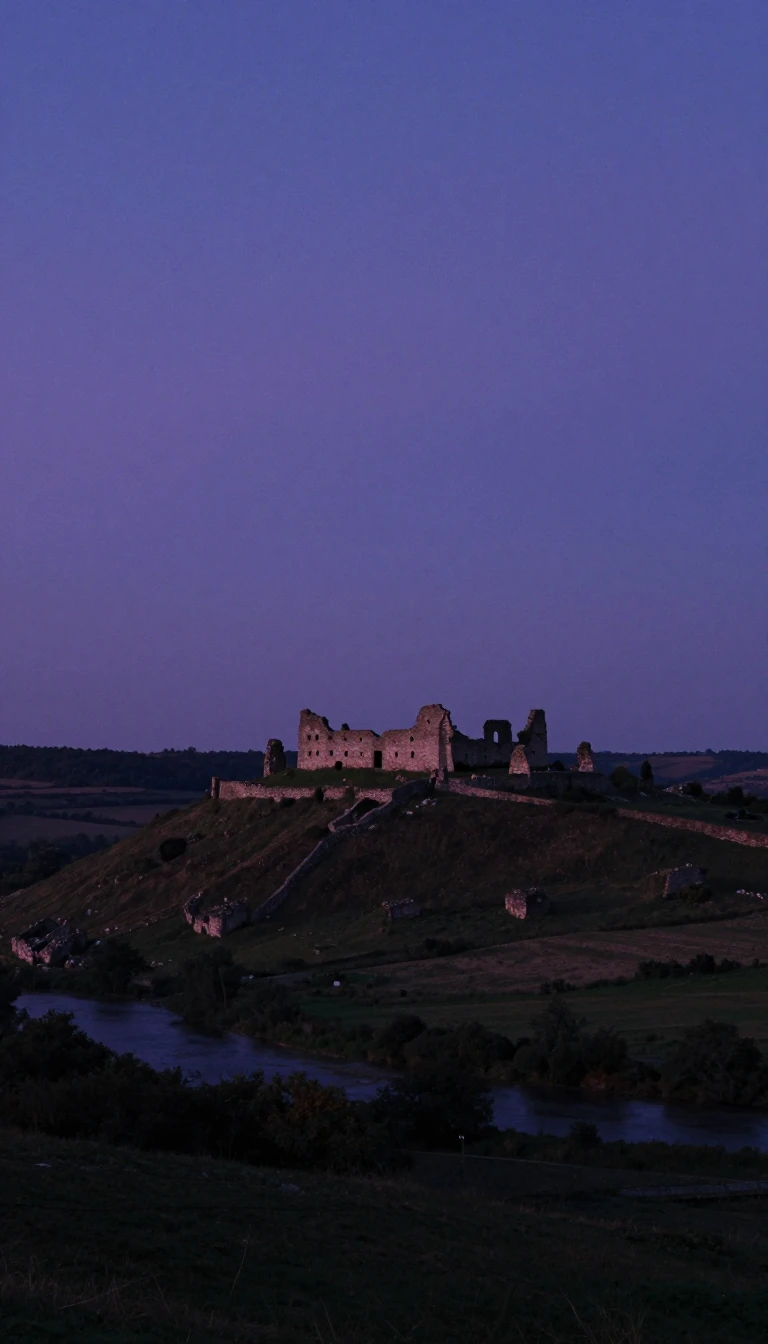
In short: Maharashtra is more than a modern state; it is a historical crossroads where ancient empires, medieval sultanates, and the formidable Maratha Confederacy converged. From the early Chalukya inscriptions to the rise of Shivaji, this region’s evolution reflects the complex, shifting power dynamics that shaped the Indian subcontinent for centuries.
The history of Maharashtra is defined by a succession of influential dynasties that left behind a legacy of forts, monuments, and cultural shifts. Ancient roots trace back to the Jorwe culture around 1300–700 BCE, followed by the Maurya and Satavahana Empires. By the 7th century, the Chalukya dynasty had already codified the region's identity, with Pulakeshin II inscribing his sovereignty over 'three Mahārāshtrakas with their 99,000 villages' at Aihole. This period also saw the flourishing of Buddhist art, exemplified by the construction of the Ajanta and Ellora Caves.
The medieval era introduced Islamic rule, beginning with the Delhi Sultanate’s conquest of the Yadava dynasty in the early 14th century. Despite initial religious friction, the subsequent Deccan sultanates integrated local Marathi-speaking populations into their administration. Maratha families, holding hereditary revenue rights, became essential to the functioning of these states. This period of fragmentation ended with the rise of Chhatrapati Shivaji Maharaj, who unified the region in the 17th century. By crowning himself at Raigad Fort in 1674, Shivaji established a resilient administration that challenged Mughal hegemony for decades.
Following Shivaji’s death in 1680, the Maratha Empire entered a period of rapid expansion. Under the Peshwas, particularly Bajirao I, the empire reached its zenith by 1760, controlling territory from Tamil Nadu to Peshawar. This era transformed the political landscape, shifting power from traditional aristocrats to a new generation of leaders. Although the Third Battle of Panipat in 1761 halted northwestern expansion, the Marathas reorganized into a powerful confederacy. This dominance persisted until the late 18th century, when internal succession struggles invited intervention from the East India Company, eventually leading to the British Raj.
Opens the Intellect+ feed with this card first. Swipe up for the next one.
Sources
- Summary by Intellect · source: History of Maharashtra
To cite this card, link to https://intellectplus.co.uk/app/history-history-of-maharashtra.
How we source, check and correct cards: Editorial standards.
General information, not professional advice. Spotted an error? Flag the card or see corrections and complaints.
Intellect Plus is a visual educational discovery platform for exploring fascinating facts and ideas. Brain Food, Not Brain Rot. What is Intellect Plus?
Related
More in History by country, small region and city · More in History · Latest · A–Z · All topics
