The Roman staircase that pilgrims must climb only on their knees
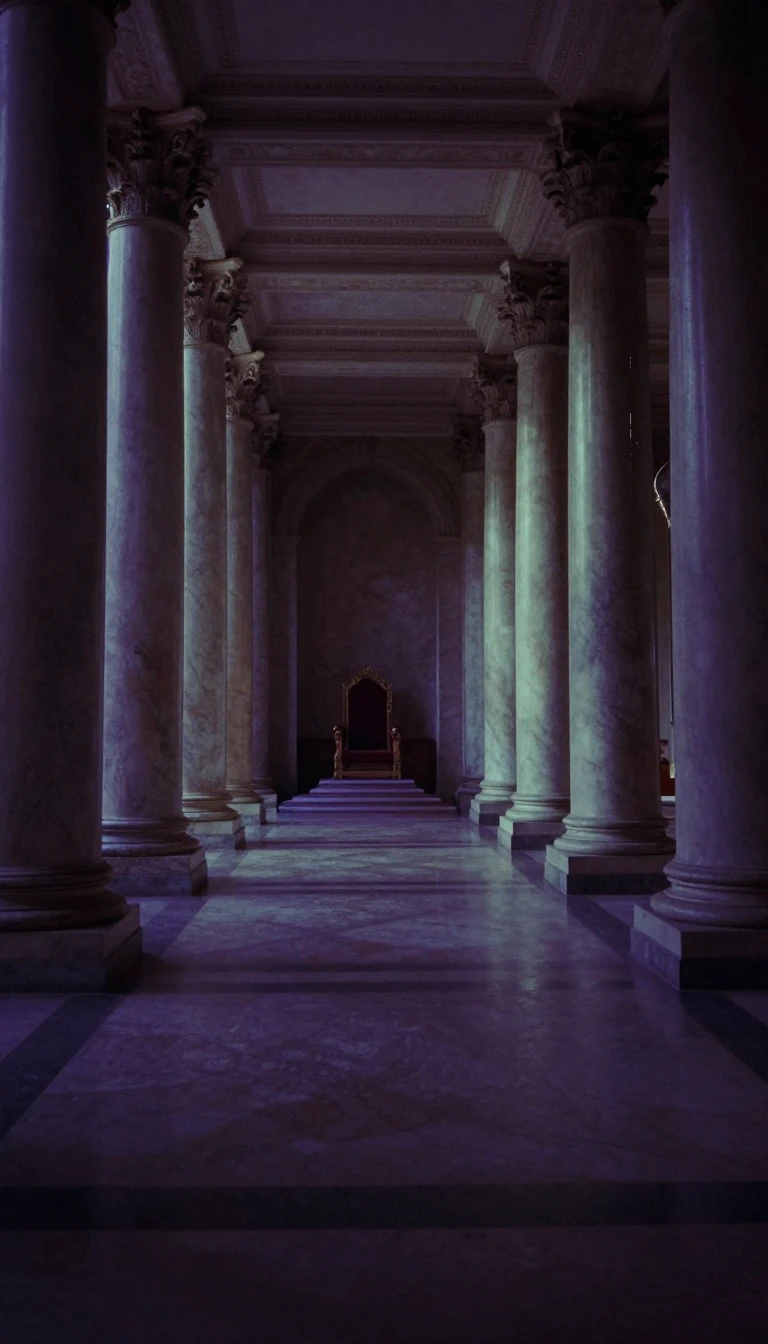
In short: In Rome, 28 white marble steps hold a sacred tradition. According to Catholic tradition, these are the very stairs Jesus Christ climbed toward his trial. For centuries, pilgrims have ascended them on their knees to honor his Passion, a devotion that has even sparked skepticism from figures like Martin Luther.
Situated on Holy See extraterritorial land close to Rome's Archbasilica of Saint John in Lateran, the Scala Sancta, or Holy Stairs, reside within a specific building. According to Catholic tradition, these 28 white marble steps are the ones leading to the praetorium of Pontius Pilate in Jerusalem where Jesus Christ walked during his Passion. Medieval legends suggest that Saint Helena, the mother of Emperor Constantine the Great, brought the stairs from Jerusalem to Rome around AD 326. During the Middle Ages, they were frequently referred to as the Scala Pilati, or the Stairs of Pilate.
The stairs' current location is the result of a major reconstruction ordered by Pope Sixtus V in 1589. He demolished the then-ruined Papal Lateran Palace to build a new structure, placing the stairs before the Sancta Sanctorum, a chapel containing many precious relics. To protect the marble from the wear of countless pilgrims, Pope Benedict XIII ordered the stairs to be encased in wood in 1724. This protective wooden covering remained in place for nearly 300 years until it was removed for restoration work in 2019.
The act of climbing the stairs on one's knees is a significant devotion. In 1817, Pope Pius VII granted an indulgence of nine years for every step climbed in this manner. Even the famous author Charles Dickens expressed a critical view of the practice in 1845, describing the sight of pilgrims kneeling as 'ridiculous and so unpleasant.' However, the stairs remain a major site of pilgrimage; when the marble was briefly exposed between April and July 2019, visitor numbers increased threefold compared to usual.
Opens the Intellect+ feed with this card first. Swipe up for the next one.
Sources
- Summary by Intellect · source: Scala Sancta
- Also: Wikidata — Scala Sancta · CC0
- Also: Wikidata — Scala Sancta de Pontchâteau · CC0
To cite this card, link to https://intellectplus.co.uk/app/places-scala-sancta.
How we source, check and correct cards: Editorial standards.
General information, not professional advice. Spotted an error? Flag the card or see corrections and complaints.
Intellect Plus is a visual educational discovery platform for exploring fascinating facts and ideas. Brain Food, Not Brain Rot. What is Intellect Plus?
Related
More in Cities · More in Countries & Cities · Latest · A–Z · All topics
