How Austria conquered the Alps with stone, steam, and a vision of landscape gardening
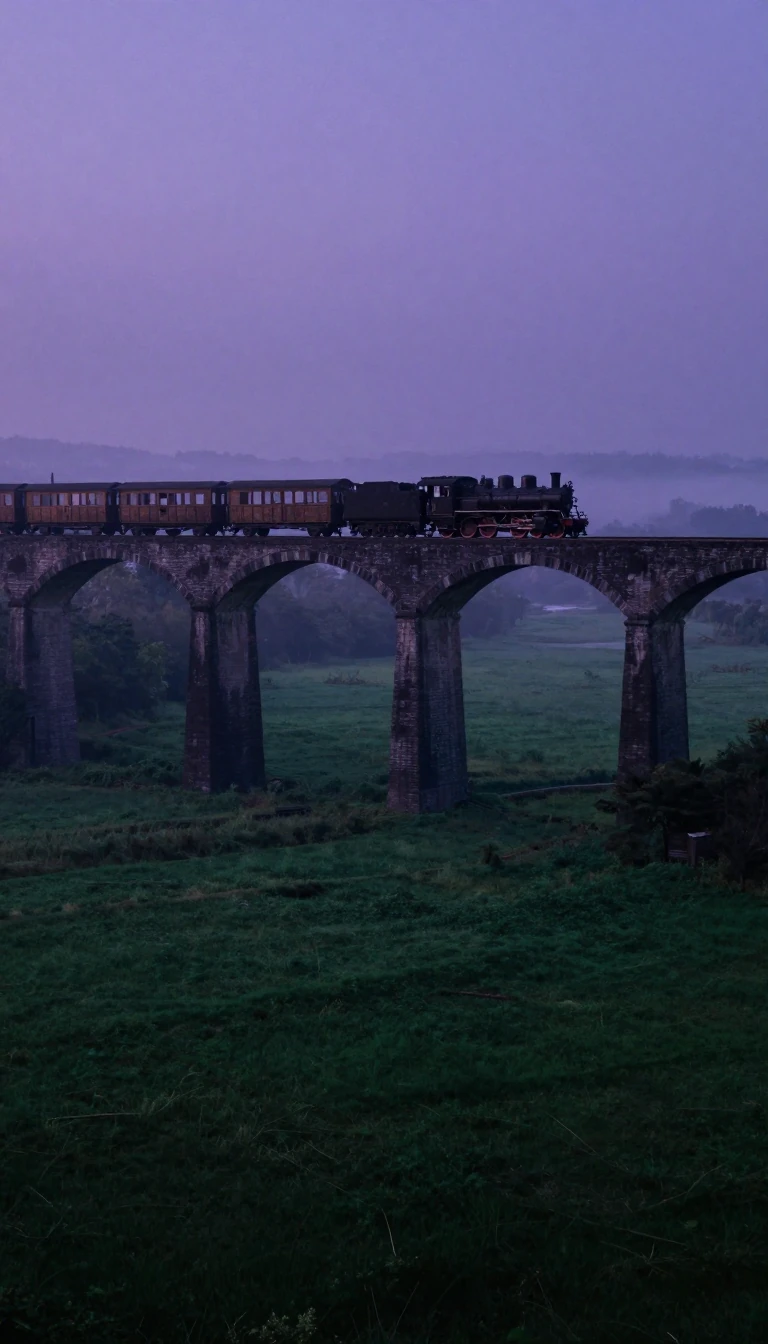
In short: Completed in 1854, the Semmering Railway was the world's first true mountain railway. It forced engineers to invent entirely new surveying methods and locomotive designs to conquer extreme gradients. Today, this UNESCO World Heritage site remains a masterclass in harmonizing heavy industrial infrastructure with the natural beauty of the Alps.
Constructed between 1848 and 1854, the Semmering Railway spans 41 kilometers between Gloggnitz and Mürzzuschlag. Under the direction of Carl von Ghega, a workforce of approximately 20,000 people built a route that overcomes an altitude difference of 460 meters. The project was a feat of unprecedented technical ambition, requiring 14 tunnels, 16 viaducts, and over 100 stone arch bridges. Remarkably, many station buildings were constructed directly from the waste rock excavated during tunnel boring, embedding the railway into the very geology it traversed.
The terrain posed severe challenges, with 60% of the track featuring steep gradients of 2.0% to 2.5% and tight curves with radii as small as 190 meters. Standard locomotives of the era could not handle these conditions, leading to the 1851 Semmering Trials. While four different designs were tested, none proved fully reliable in practice. This failure spurred the development of the Engerth locomotive, which articulated the tender with the main frame to improve adhesion and maneuverability. These innovations were so significant that they influenced later designs like the Fairlie, Meyer, and Mallet locomotives.
Beyond its engineering, the railway was conceived as an act of landscape gardening, aiming for a harmonious blend of technology and nature. This aesthetic approach helped open the Semmering region to tourism, leading to a golden age of hotels and mansions that lasted until World War I. Because the region's recreational needs shifted in the 20th century, the landscape remained largely preserved. In 1998, UNESCO designated the line a World Heritage site. While the historic route remains functional, a new 27.3-kilometer base tunnel is currently under construction, with an expected completion date of 2030 and a projected cost of €3.9 billion.
Opens the Intellect+ feed with this card first. Swipe up for the next one.
Sources
- Summary by Intellect · source: Semmering Railway
- Also: Wikidata — Semmering railway · CC0
- Also: Wikidata — Semmering railway station · CC0
To cite this card, link to https://intellectplus.co.uk/app/places-semmering-railway.
How we source, check and correct cards: Editorial standards.
General information, not professional advice. Spotted an error? Flag the card or see corrections and complaints.
Intellect Plus is a visual educational discovery platform for exploring fascinating facts and ideas. Brain Food, Not Brain Rot. What is Intellect Plus?
Related
More in World Heritage Sites · More in Countries & Cities · Latest · A–Z · All topics
