Can a vast African wilderness survive the push for industrial energy and uranium?
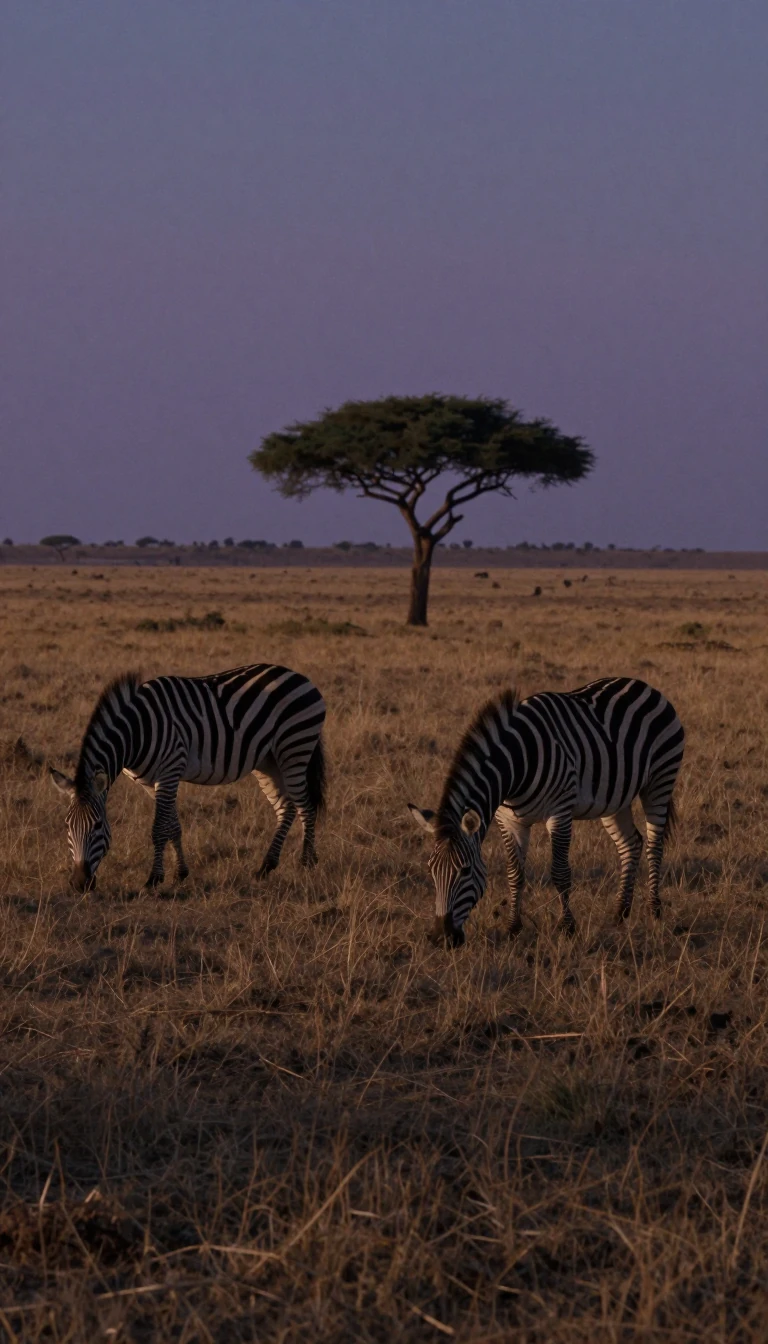
In short: Spanning 50,000 square kilometres, the Selous Game Reserve is a massive, protected Tanzanian wilderness. Once home to the world's largest elephant population, this UNESCO World Heritage site now faces intense pressure from hydroelectric projects and mining interests, sparking a global debate over the true cost of national development.
Designated a UNESCO World Heritage Site in 1982, the Selous Game Reserve—partially renamed Nyerere National Park—is a sanctuary for some of Africa's most iconic species, including the black rhinoceros, painted dog, and bush elephant. Its landscape, characterized by miombo woodlands and expansive grasslands, has been protected from human habitation since its formal designation as a hunting reserve in 1905. The area carries a deep history, named after the hunter and conservationist Frederick Selous, who died there in 1917. Despite its status, the reserve’s ecological integrity is increasingly contested by industrial ambitions.
The most significant modern challenge is the Stiegler's Gorge Hydroelectric Power Station. Initiated in July 2019, the project aims to generate 2,115 megawatts of electricity, a massive increase over Tanzania's previous 562-megawatt capacity. Environmental groups and the International Union for Conservation of Nature have raised alarms, noting that flooding nearly 1,000 square kilometres will disrupt both biodiversity and the livelihoods of thousands who depend on the Rufiji River. Furthermore, UNESCO has permitted boundary changes to allow for uranium mining, a decision that has drawn sharp criticism from conservationists concerned about the fragility of the ecosystem.
The reserve’s wildlife has already suffered significant declines. In 1976, the Selous hosted approximately 109,000 elephants, the largest population globally at the time. By 2013, that number plummeted to roughly 13,000, with a staggering 66% drop occurring between 2009 and 2013. Many observers attribute this collapse to poaching facilitated by corrupt officials. While the northern section remains a popular destination for photographic safaris and boat trips, the reserve’s vastness means animal densities are often lower than in Tanzania's northern parks. The tension between preserving this 'untouched' wilderness and fueling national growth remains a critical test for modern conservation.
Opens the Intellect+ feed with this card first. Swipe up for the next one.
Sources
- Summary by Intellect · source: Selous Game Reserve
- Also: Wikidata — Selous Game Reserve · CC0
To cite this card, link to https://intellectplus.co.uk/app/places-selous-game-reserve.
How we source, check and correct cards: Editorial standards.
General information, not professional advice. Spotted an error? Flag the card or see corrections and complaints.
Intellect Plus is a visual educational discovery platform for exploring fascinating facts and ideas. Brain Food, Not Brain Rot. What is Intellect Plus?
Related
More in World Heritage Sites · More in Countries & Cities · Latest · A–Z · All topics
