How the Babylonian siege of Jerusalem permanently reshaped the trajectory of Jewish religious thought.
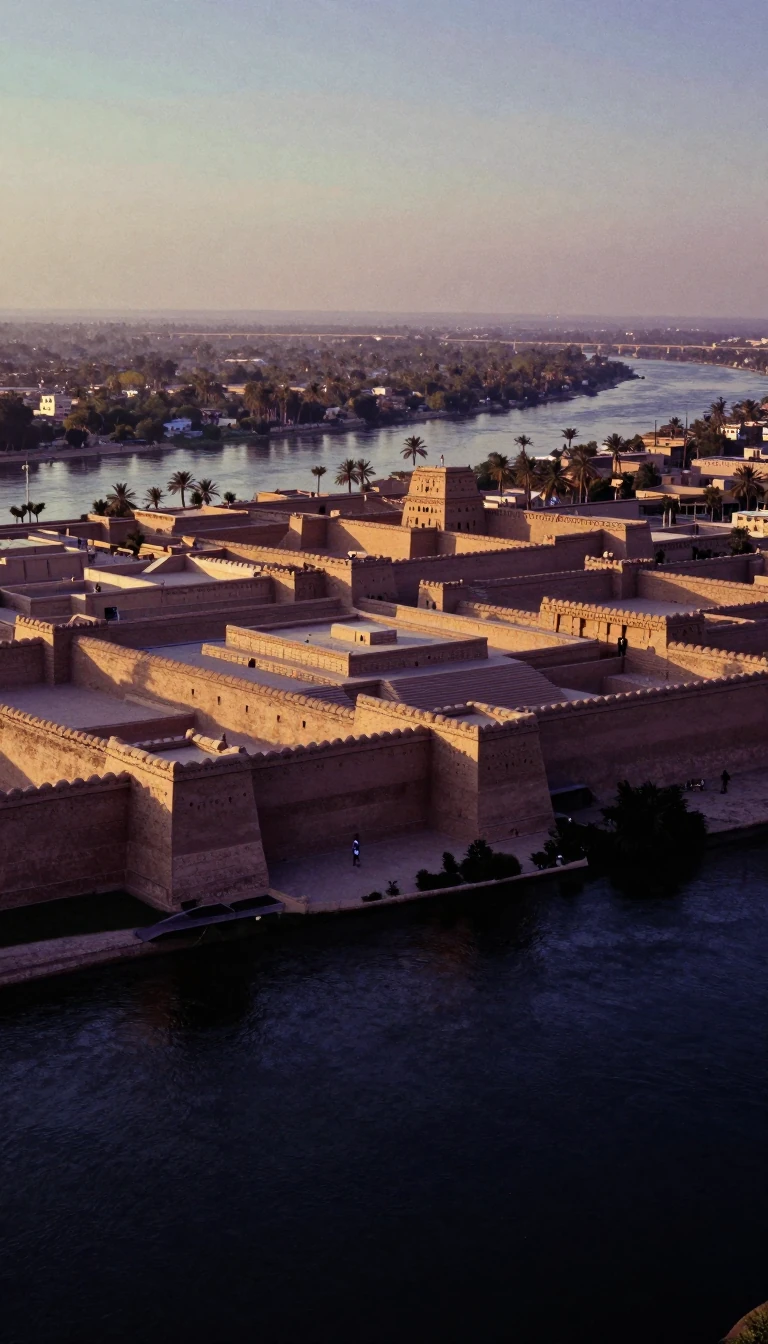
In short: In 587 BC, the Neo-Babylonian Empire razed Jerusalem and Solomon’s Temple, triggering a profound cultural crisis. This catastrophe forced a radical reinterpretation of national identity, transforming a political defeat into a theological framework of exile, sin, and eventual restoration that would define Jewish tradition for millennia to come.
The siege of Jerusalem, lasting approximately 30 months, marked the final collapse of the Kingdom of Judah. Following a revolt against Nebuchadnezzar II, the city fell in the summer of 587 BC. The Babylonians systematically destroyed the capital, razed the First Temple, and executed the sons of King Zedekiah before blinding him and taking him to Babylon. Archaeological evidence, including burned wooden beams and socketed bronze arrowheads found in the City of David, confirms the intensity of the destruction, with some structures exposed to temperatures exceeding 600 °C.
The geopolitical fallout was absolute. The kingdom was annexed as a Babylonian province, and the Judean elite were deported to Babylonia. The population of the region plummeted from approximately 110,000 to between 15,000 and 40,000. In exile, however, the displaced community maintained a distinct identity. Records like the Al-Yahudu Tablets show that these exiles integrated into Babylonian economic life while preserving their heritage, eventually returning to Jerusalem after Cyrus the Great conquered Babylon in 539 BC.
The trauma of 587 BC fundamentally altered Jewish theology. The destruction was interpreted as a consequence of collective sin and divine judgment, a model that emphasized the necessity of repentance for restoration. This theological structure became a permanent fixture of Jewish thought, providing a framework for understanding suffering and national survival that would later be invoked by figures like Josephus during the Roman destruction of the city in 70 AD.
While scholars debate whether the fall occurred in 587 BC or 586 BC, the event remains a pivotal turning point in history. It ended the First Temple period and initiated the Second Temple era, which began with the completion of a new temple in 516 BC. This transition solidified the role of the prophets and the written word in maintaining the covenant, ensuring that even without a sovereign kingdom, the people of Judah remained a cohesive, enduring community.
Opens the Intellect+ feed with this card first. Swipe up for the next one.
Sources
- Summary by Intellect · source: Siege of Jerusalem (587 BC)
To cite this card, link to https://intellectplus.co.uk/app/places-siege-of-jerusalem-587-bc.
How we source, check and correct cards: Editorial standards.
General information, not professional advice. Spotted an error? Flag the card or see corrections and complaints.
Intellect Plus is a visual educational discovery platform for exploring fascinating facts and ideas. Brain Food, Not Brain Rot. What is Intellect Plus?
Related
More in World Heritage Sites · More in Countries & Cities · Latest · A–Z · All topics
