How a tropical garden helped Singapore become the world's leading rubber producer
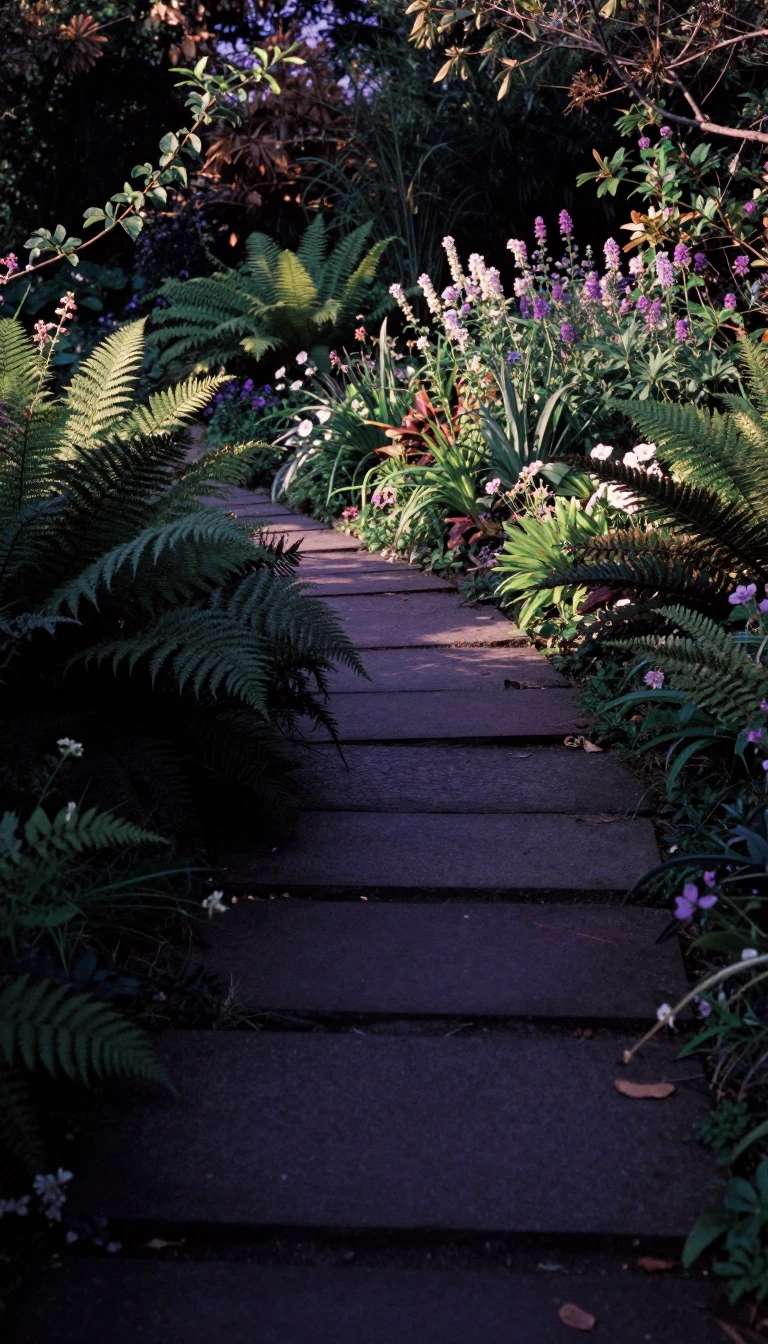
In short: Founded in 1859, the Singapore Botanic Gardens evolved from a colonial pleasure park into a global scientific powerhouse. By perfecting rubber extraction techniques and pioneering orchid hybridization, the institution transformed the region's economy and defined the nation's identity as a lush, green city-state, all while preserving a rare urban rainforest.
The Singapore Botanic Gardens, a UNESCO World Heritage Site, traces its roots to 1859 when the Agri-horticultural Society established it on land acquired from merchant Hoo Ah Kay. Initially designed as a pleasure park following English landscape styles, the site underwent a dramatic shift under the leadership of Henry Nicholas Ridley, who became director in 1888. Ridley’s research into rubber cultivation revolutionized the regional economy; by the 1920s, the Malayan peninsula controlled half of global latex production, a testament to the garden's early scientific influence.
Beyond rubber, the gardens became a pioneer in orchid science. Professor Eric Holttum, director from 1925 to 1949, spearheaded hybridization techniques that established Singapore as a center for commercial orchid growing. This legacy continues today through the National Orchid Garden, which houses over 3,000 species and hybrids. The institution also practices 'orchid diplomacy,' naming rare hybrids after visiting dignitaries and celebrities. This commitment to botanical excellence helped shape Singapore’s post-independence image as a 'Garden City,' a vision supported by the gardens' vast collection of over 10,000 species of flora.
The site is also a rare ecological sanctuary. It contains a six-hectare tropical rainforest—older than modern Singapore itself—making it one of only two major cities globally to host such a forest within its limits. In recent decades, the institution has expanded significantly, including the 2018 completion of the Learning Forest and the 2007 opening of the Jacob Ballas Children’s Garden. Today, the gardens serve as a premier hub for biodiversity research, housing a herbarium with 750,000 specimens and functioning as a vital green lung that manages storm-water for the surrounding Orchard Road district.
Opens the Intellect+ feed with this card first. Swipe up for the next one.
Sources
- Summary by Intellect · source: Singapore Botanic Gardens
- Also: Wikidata — Singapore Botanic Gardens · CC0
- Also: Wikidata — Singapore Botanic Gardens Seed Bank · CC0
To cite this card, link to https://intellectplus.co.uk/app/places-singapore-botanic-gardens.
How we source, check and correct cards: Editorial standards.
General information, not professional advice. Spotted an error? Flag the card or see corrections and complaints.
Intellect Plus is a visual educational discovery platform for exploring fascinating facts and ideas. Brain Food, Not Brain Rot. What is Intellect Plus?
Related
More in World Heritage Sites · More in Countries & Cities · Latest · A–Z · All topics
