How a border state lost its territory and reshaped the Mexican presidency
In short: Sonora, a vast Mexican state bordering Arizona, has a history defined by shifting borders, indigenous resistance, and economic volatility. From its origins as a colonial mission territory to its pivotal role in the Mexican Revolution, Sonora has repeatedly transformed its identity, often at the expense of its most vulnerable populations.
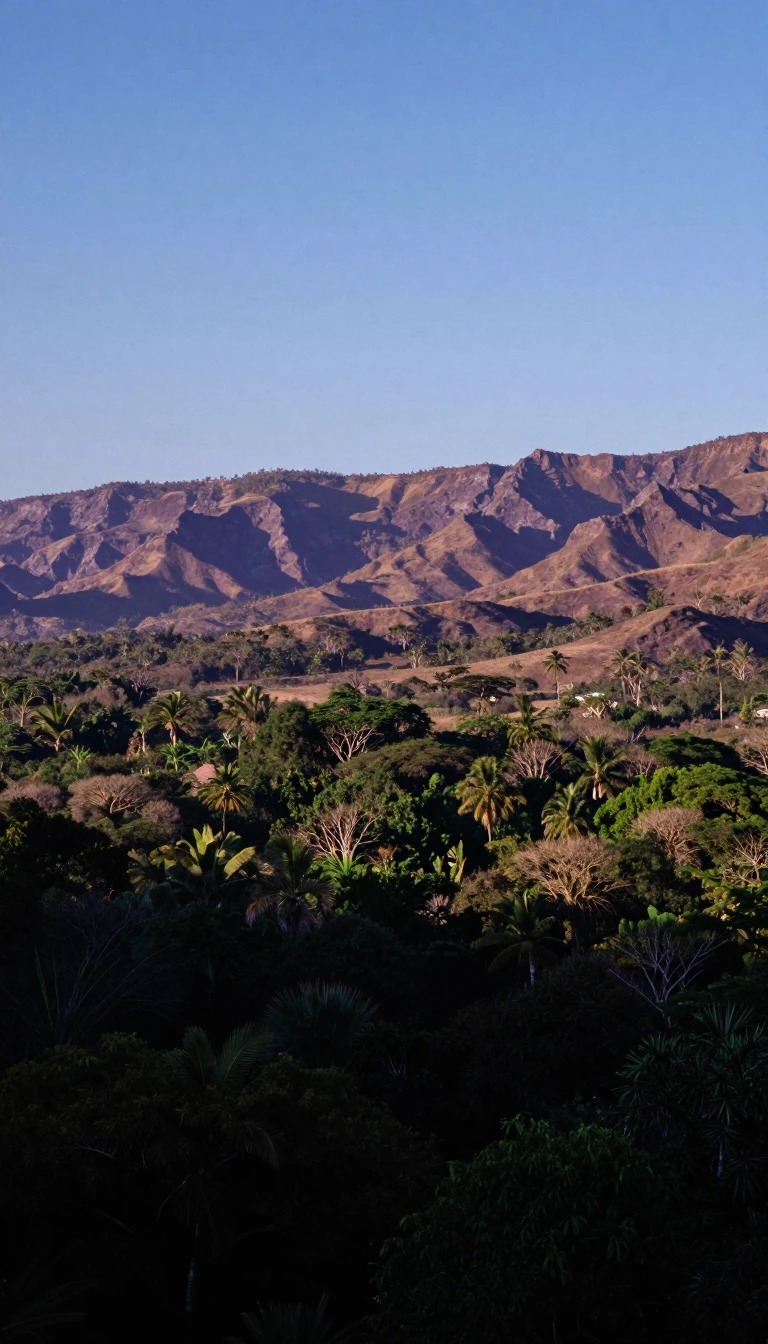
Sonora’s geography is a study in extremes, spanning the Sierra Madre Occidental, arid deserts, and the Gulf of California. While human presence dates back over 10,000 years, the region’s modern political boundaries were forged in the crucible of the 19th century. Following the Mexican–American War, the 1848 Treaty of Guadalupe Hidalgo and the 1853 Gadsden Purchase stripped Sonora of over 29,000 square miles, effectively turning a once-dominant state into a vulnerable border frontier.
The state’s social fabric was repeatedly torn by conflict. During the colonial era, the Jesuit mission system attempted to centralize indigenous populations, leading to frequent uprisings by the Yaqui and Mayo peoples. By the late 19th century, the regime of Porfirio Díaz accelerated land appropriation for mining and agriculture, sparking further resistance. The 1906 Cananea miner's strike, involving 2,000 workers, became a flashpoint that signaled the growing national resentment against Díaz, ultimately fueling the Mexican Revolution.
Sonora’s influence on national politics peaked between 1920 and the early 1930s, when four Sonoran leaders—Adolfo de la Huerta, Álvaro Obregón, Plutarco Elías Calles, and Abelardo L. Rodríguez—occupied the Mexican presidency. This era of power was marked by radical social shifts, including the systematic expulsion of the state's Chinese population, which had grown to over 6,000 by 1919. The resulting economic collapse forced a pivot toward the modern industrial and agribusiness model that defines the state today.
The name 'Sonora' itself remains a subject of debate. Theories range from a corruption of 'Nuestra Señora'—the name given to the territory by Diego de Guzmán in 1540—to the indigenous word 'sonot,' meaning a natural water well. Regardless of its etymology, the state’s history reflects a constant struggle between centralizing forces and the persistent, independent spirit of its diverse inhabitants.
Opens the Intellect+ feed with this card first. Swipe up for the next one.
Sources
- Summary by Intellect · source: Sonora
- Also: Wikidata — Sonora · CC0
- Also: Wikidata — Sonora · CC0
To cite this card, link to https://intellectplus.co.uk/app/places-sonora.
How we source, check and correct cards: Editorial standards.
General information, not professional advice. Spotted an error? Flag the card or see corrections and complaints.
Intellect Plus is a visual educational discovery platform for exploring fascinating facts and ideas. Brain Food, Not Brain Rot. What is Intellect Plus?
Related
More in Regions and country subdivisions · More in Countries & Cities · Latest · A–Z · All topics
