Sohag: A Nile Valley governorate balancing ancient history with modern economic challenges
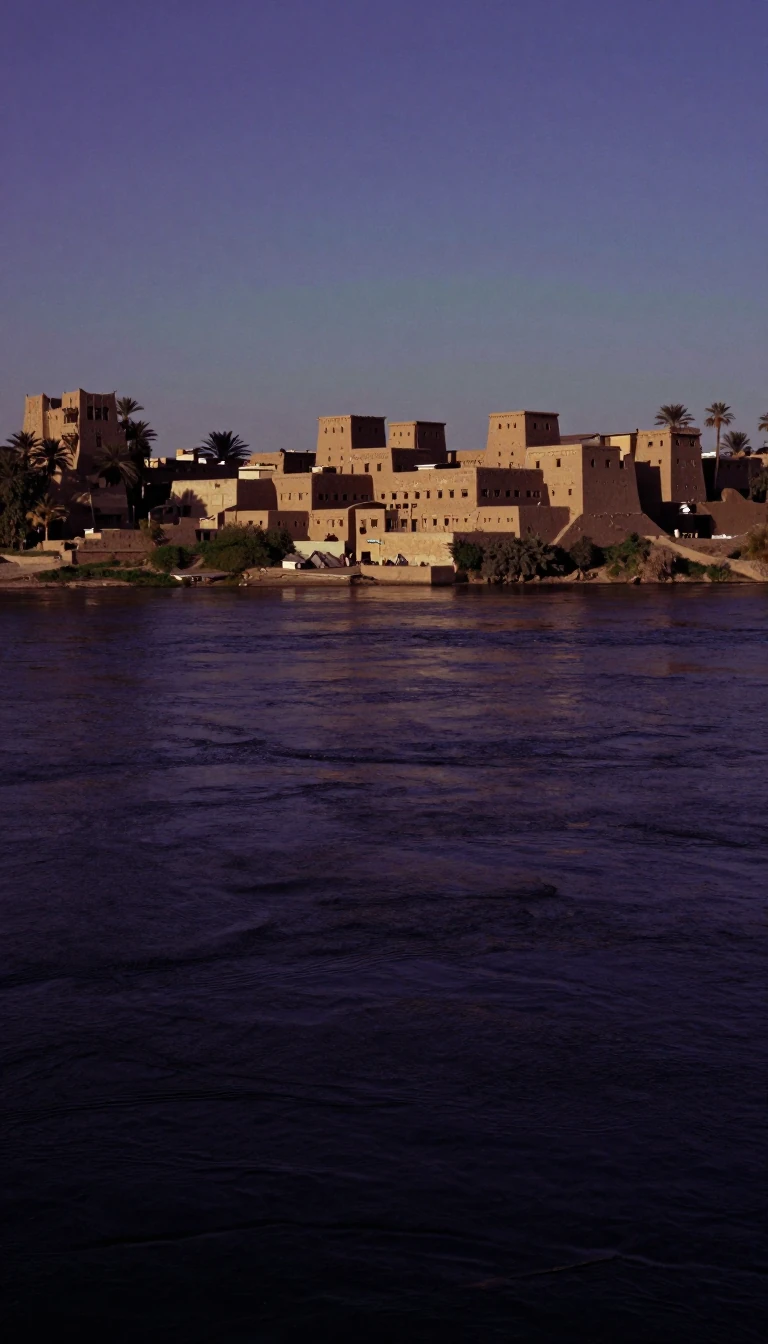
In short: Located in Upper Egypt, Sohag is a region defined by its deep historical roots and contemporary socio-economic shifts. While it remains largely rural, recent efforts to address poverty through international aid and infrastructure projects are reshaping the lives of its nearly six million residents alongside significant archaeological discoveries.
Sohag Governorate, situated along the Nile Valley in southern Egypt, has undergone significant administrative changes over the decades. Originally known as Girga Governorate with its capital in the city of Girga, it adopted its current name and moved its capital to the city of Sohag in 1960. Today, the governorate is divided into municipal divisions, including twelve markaz, five agsam, and two new cities. As of January 2024, the region is home to an estimated 5,853,394 people, with the vast majority residing in rural areas. In fact, the urbanization rate stands at just 21.4%, with 4,600,768 people living in rural settings compared to 1,252,626 in urban centers.
The region faces substantial economic hurdles, with poverty rates exceeding 60%. To combat this, the Egyptian Ministry of Finance has coordinated with international organizations to implement social safety networks, including job opportunities and financial assistance. A tangible example of this support occurred in early 2019, when residents of poorer villages moved into 115 new homes built with aid from the National Bank of Kuwait. These families also received cattle and other gifts to help stabilize their livelihoods.
Beyond its modern challenges, Sohag is a treasure trove of antiquity. In April 2019, an archaeological mission led by Mostafa Waziri uncovered a Ptolemaic-era tomb at the al-Dayabat site belonging to a nobleman named Toutou and his wife. The tomb contained a well-preserved mummy and various mummified animals, including falcons, cats, and shrews. More recently, in January 2026, researchers announced the discovery of a Byzantine-era monastic complex in the Tima district. This site features mudbrick residential buildings, a central church, and various artefacts like storage amphorae and Coptic-inscribed ostraca, offering a window into the organized religious life of the period. These findings highlight the governorate's enduring significance as a site of historical and cultural importance.
Opens the Intellect+ feed with this card first. Swipe up for the next one.
Sources
- Summary by Intellect · source: Sohag Governorate
- Also: Wikidata — Sohag Governorate · CC0
To cite this card, link to https://intellectplus.co.uk/app/places-sohag-governorate.
How we source, check and correct cards: Editorial standards.
General information, not professional advice. Spotted an error? Flag the card or see corrections and complaints.
Intellect Plus is a visual educational discovery platform for exploring fascinating facts and ideas. Brain Food, Not Brain Rot. What is Intellect Plus?
Related
More in Regions and country subdivisions · More in Countries & Cities · Latest · A–Z · All topics
