Why this remote Arctic island is a strategic prize and a biological treasure trove
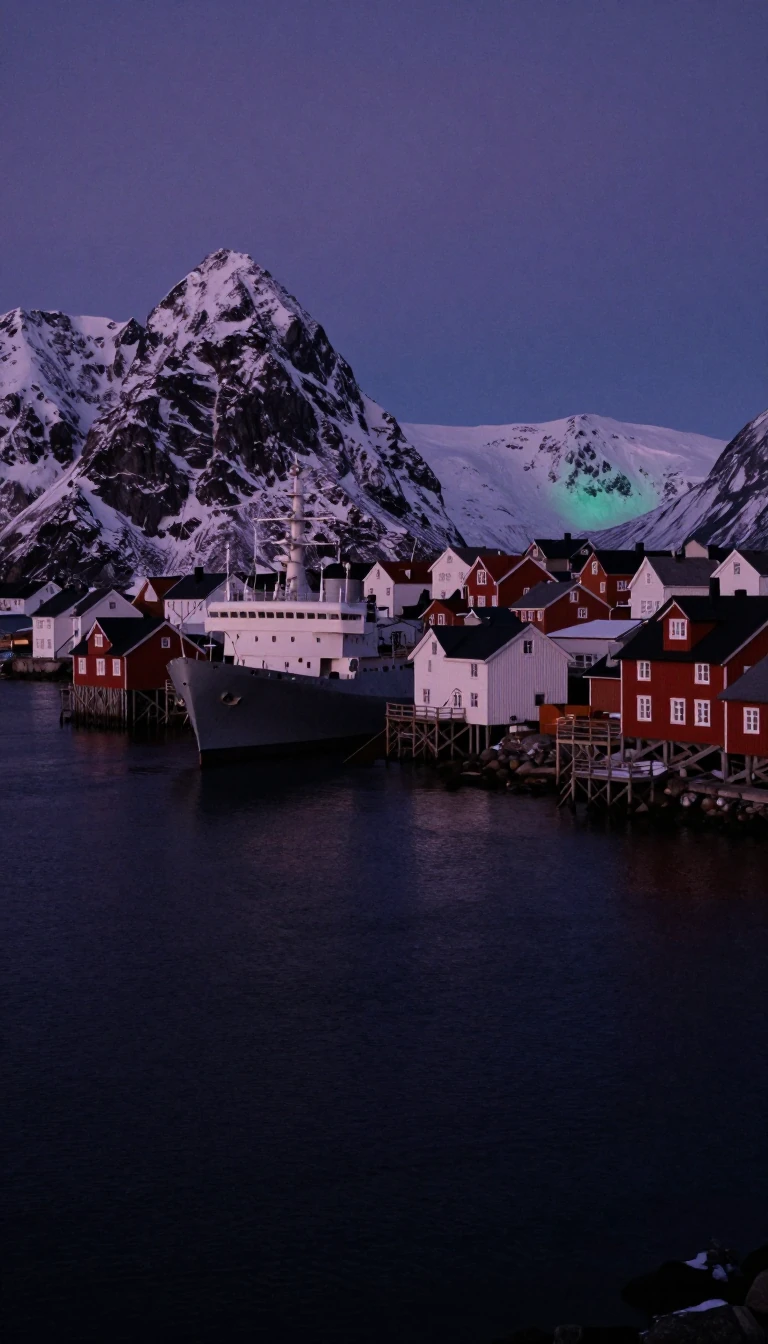
In short: Discovered in 1596, Bear Island is a desolate, treeless outpost in the Barents Sea. Despite its name, it hosts no permanent polar bear population, yet it serves as a critical waypoint for migratory birds and a silent witness to centuries of geopolitical maneuvering, from Cold War naval battles to modern ecological concerns.
Located halfway between Spitsbergen and the North Cape, Bear Island (Bjørnøya) is a 178-square-kilometre triangle of rock and tundra. Though Dutch explorers Willem Barentsz and Jacob van Heemskerck first documented it in 1596, the island has never supported a permanent human settlement. Attempts at coal mining in the early 20th century at Tunheim failed due to profitability issues, and today, the island is inhabited only by nine staff members at a meteorological and radio station. Its history is defined by its strategic position at the gateway to the Arctic, leading to territorial interest from Imperial Russia, the Soviet Union, and Germany, particularly during the World War II era when it became a site of naval conflict.
The island’s climate is uniquely mild for its latitude, influenced by the North Atlantic current. This maritime environment creates a seasonal lag where August is often warmer than July, and March serves as the coldest month. While the island is a sanctuary for massive seabird colonies—supporting hundreds of thousands of guillemots and kittiwakes—it faces modern environmental threats. Research has detected high concentrations of toxic PCBs in local Arctic char, and the 1989 sinking of the Soviet submarine Komsomolets nearby remains a potential source of radioactive contamination.
Beyond its scientific value, Bear Island has captured the cultural imagination, appearing in thrillers like Alistair MacLean’s 1971 novel and Tom Clancy’s Red Storm Rising. It also served as the site for a pioneering 1921 ecological study by Victor Summerhayes and Charles Elton, which produced one of the first food web diagrams. Today, the island is a protected nature reserve, with its surrounding waters strictly regulated to preserve a fragile ecosystem that remains a vital, if isolated, indicator of the health of the Barents Sea.
Opens the Intellect+ feed with this card first. Swipe up for the next one.
Sources
- Summary by Intellect · source: Bjørnøya
To cite this card, link to https://intellectplus.co.uk/app/science-bj-rn-ya.
How we source, check and correct cards: Editorial standards.
General information, not professional advice. Spotted an error? Flag the card or see corrections and complaints.
Intellect Plus is a visual educational discovery platform for exploring fascinating facts and ideas. Brain Food, Not Brain Rot. What is Intellect Plus?
Related
More in Scientific discoveries · More in Science · Latest · A–Z · All topics
