This Danish cliff holds the smoking gun for the extinction of the dinosaurs.
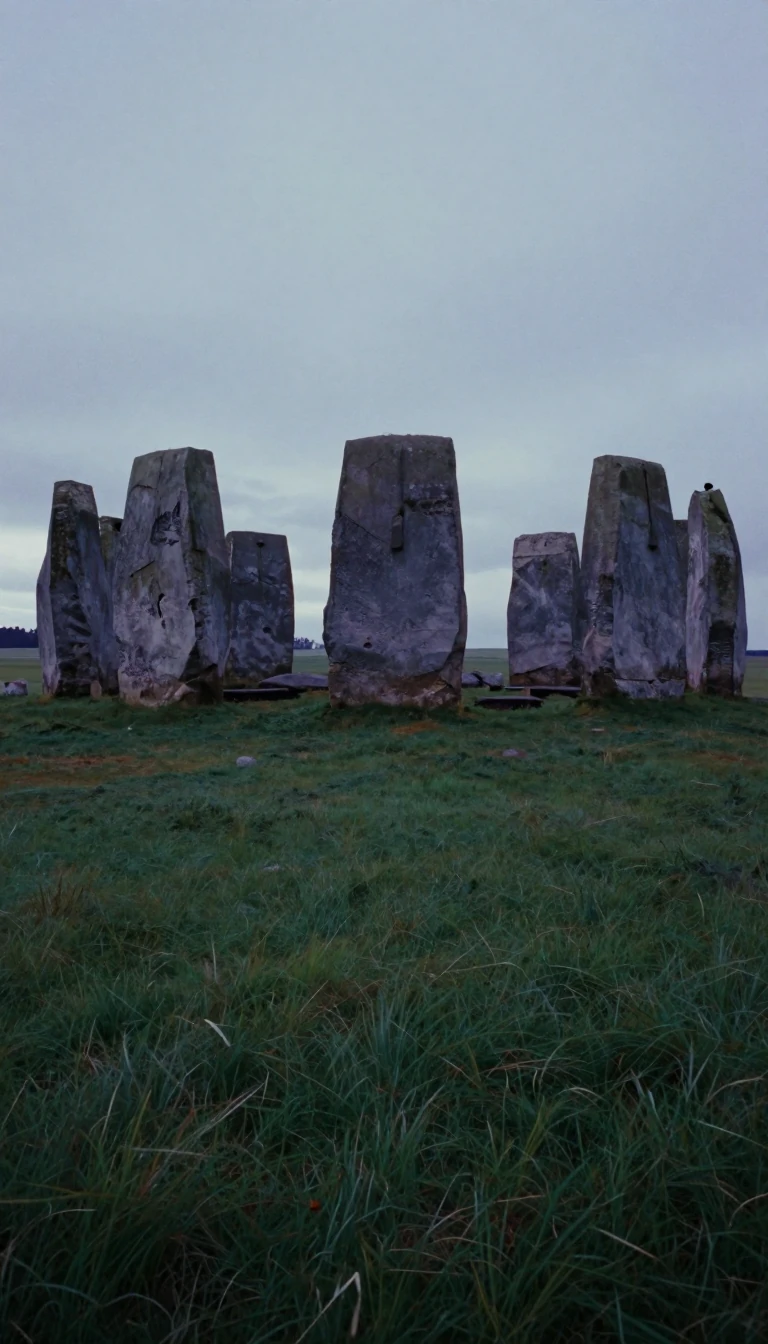
In short: Stevns Klint is more than a scenic Danish coastline. Its white chalk walls preserve the precise moment an asteroid struck Earth 66 million years ago. By revealing the transition between the Cretaceous and Paleogene periods, this site offers a rare, visible record of the mass extinction that reshaped our planet.
Located on the island of Zealand, Stevns Klint stretches 17 kilometers along the coast. It is internationally recognized for its exceptionally clear Cretaceous-Tertiary boundary, a geological marker that separates the age of dinosaurs from the subsequent Paleogene period. The cliff face is dominated by a thin, dark layer of clay known as fiskeler, which is notably enriched in iridium. This specific chemical signature serves as a primary piece of evidence for the Alvarez hypothesis, which posits that a massive asteroid impact triggered the global mass extinction event 66 million years ago.
The site provides an unparalleled fossil record, with over 830 species of macrofauna identified, including ammonites, corals, and sharks. Researchers have used these layers to document the biotic turnover that occurred during the extinction, noting the dominance of pioneer species like the bivalve Corbulamella immediately following the impact. Notably, Stevns Klint was the first location to provide evidence that some ammonites survived briefly into the Paleogene, challenging previous assumptions that they vanished exactly at the boundary. The cliff's geological layers span from the Maastrichtian stage, 72 million years ago, through the early Paleogene.
Beyond its scientific value, the cliff has been repurposed by human history. In 1953, the Danish military constructed Stevnsfortet, a top-secret Cold War fortress, deep within the chalk. The bryozoa chalk proved highly resistant to both conventional and nuclear weapons, protecting the 1.6 kilometers of tunnels, command centers, and ammunition depots located 18 to 20 meters below the surface. The fortress remained operational until 2000 and opened as a museum in 2008. Today, the site is a UNESCO World Heritage site, inscribed in 2014, standing as both a testament to ancient planetary shifts and the strategic ingenuity of the 20th century.
Opens the Intellect+ feed with this card first. Swipe up for the next one.
Sources
- Summary by Intellect · source: Stevns Klint
- Also: Wikidata — Stevns Klint · CC0
- Also: Wikidata — Stevns Klint Strandpension · CC0
To cite this card, link to https://intellectplus.co.uk/app/places-stevns-klint.
How we source, check and correct cards: Editorial standards.
General information, not professional advice. Spotted an error? Flag the card or see corrections and complaints.
Intellect Plus is a visual educational discovery platform for exploring fascinating facts and ideas. Brain Food, Not Brain Rot. What is Intellect Plus?
Related
More in World Heritage Sites · More in Countries & Cities · Latest · A–Z · All topics
