The massive Neolithic monument that predates Stonehenge by hundreds of years
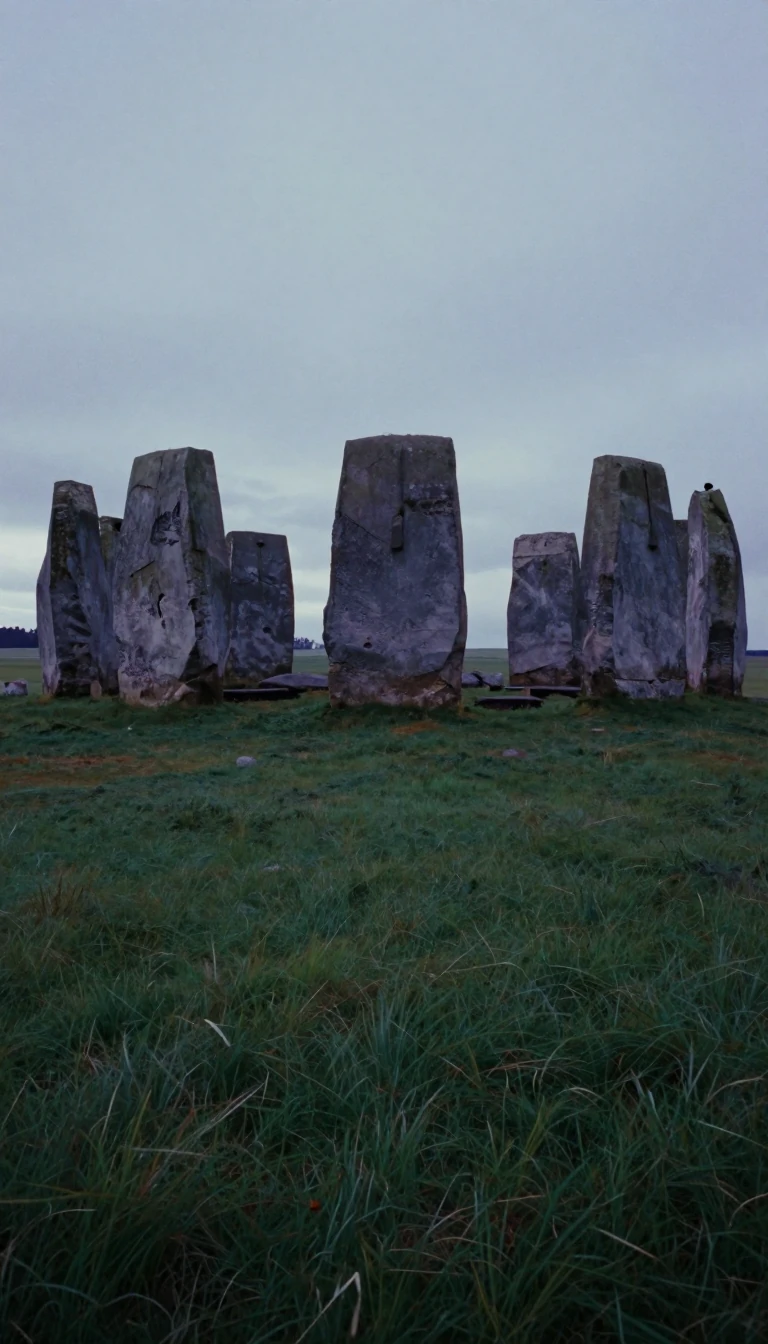
In short: Long before the famous stones of Stonehenge were raised, a mysterious earthwork known as the Stonehenge Cursus dominated the Salisbury Plain. Stretching nearly three kilometers, this ancient structure remains a puzzle to archaeologists, who continue to debate its purpose, its alignment with the sun, and its relationship to the landscape.
The Stonehenge Cursus, sometimes called the Greater Cursus, is a vast Neolithic earthwork located in Wiltshire, England. Radiocarbon dating of a red deer antler pick found at the base of its western terminal ditch places its construction between 3630 and 3375 BCE. This makes the monument significantly older than the earliest phase of the iconic Stonehenge, which dates to 3000 BCE. Early antiquarians, including William Stukeley, mistakenly identified the site as a Roman racing track, a theory stemming from the Latin word 'cursus' meaning racecourse.
The structure is roughly 3 kilometers long and varies in width, reaching nearly 150 meters at its western end. Its design is not uniform; the eastern ditch is relatively shallow at 0.75 meters, while the western terminal ditch reaches a depth of 2 meters. The monument is oriented east-west, aligning with the sunrise on the spring and autumn equinoxes. Researchers have also identified two artificial pits near the ends of the cursus that align with midsummer sunrise and sunset lines through Stonehenge, suggesting a deliberate, interconnected ceremonial landscape.
While its exact function remains unclear, the cursus may have served as a boundary between settlement and ceremonial zones. It crosses a dry river valley, Stonehenge Bottom, which may have been a winterbourne during the Neolithic era. Excavations have revealed complex histories, including recuts in the southern ditch around 2500 BCE and again between 2000 and 1500 BCE. Nearby, the Lesser Cursus—a smaller, 400-meter-long earthwork—dates to approximately 3000 BCE and lacks an eastern terminal, highlighting the diverse and enigmatic nature of these ancient landscape features.
Today, the Stonehenge Cursus sits within the Stonehenge and Avebury World Heritage Site. While the Lesser Cursus is now only visible as a cropmark due to post-World War II ploughing, the Greater Cursus remains accessible to the public. Efforts to protect associated features, such as the Neolithic long barrow at the eastern end, have been proposed since 1979, yet many recommendations for preservation remain unimplemented.
Opens the Intellect+ feed with this card first. Swipe up for the next one.
Sources
- Summary by Intellect · source: Stonehenge Cursus
- Also: Wikidata — Stonehenge Cursus · CC0
To cite this card, link to https://intellectplus.co.uk/app/places-stonehenge-cursus.
How we source, check and correct cards: Editorial standards.
General information, not professional advice. Spotted an error? Flag the card or see corrections and complaints.
Intellect Plus is a visual educational discovery platform for exploring fascinating facts and ideas. Brain Food, Not Brain Rot. What is Intellect Plus?
Related
More in World Heritage Sites · More in Countries & Cities · Latest · A–Z · All topics
