Why Stonehenge is not just a single monument but a vast prehistoric landscape
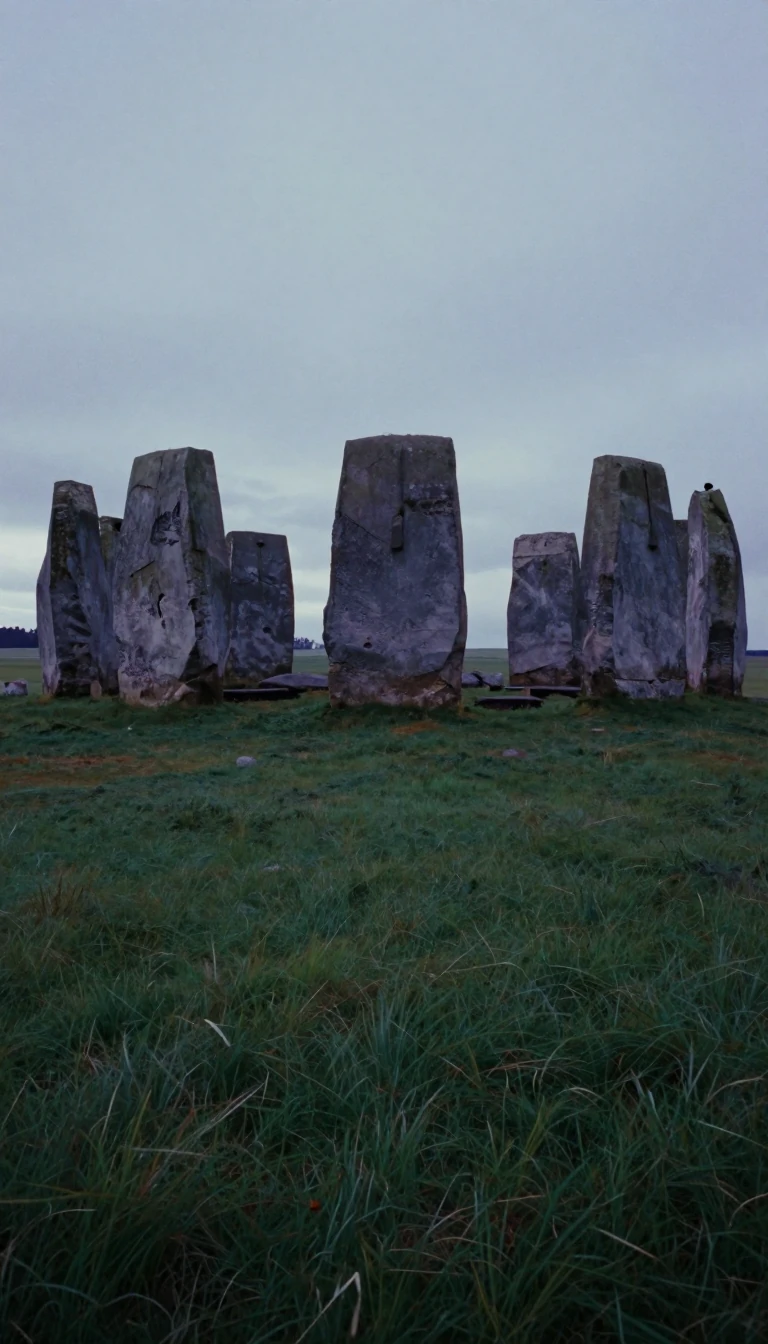
In short: Most visitors focus on the iconic stone circles, but Stonehenge and Avebury represent a sprawling UNESCO World Heritage Site spanning two massive areas in Wiltshire. Far from being isolated ruins, these sites contain over 700 archaeological features, revealing a dense, interconnected prehistoric landscape that stretches far beyond the famous stones.
Inscribed as a UNESCO World Heritage Site in 1986, the Stonehenge, Avebury and Associated Sites designation covers two distinct zones separated by approximately 24 kilometres. Rather than protecting a single structure, the site encompasses a vast landscape of 48.5 square kilometres in total. The southern portion, centred on Stonehenge, covers 26 square kilometres, while the northern Avebury area spans 22.5 square kilometres.
The complexity of this region is defined by its density. Beyond the primary henges, archaeologists have identified more than 700 individual features, including 160 scheduled monuments that account for 415 distinct items. These range from the famous Bluestonehenge, or West Amesbury Henge, to the burial mounds at Normanton Down, such as the notable Bush Barrow. The landscape is a patchwork of ownership, managed by a diverse group including the National Trust, English Heritage, the Ministry of Defence, the RSPB, and private farmers.
Preserving this heritage requires a massive collaborative effort. Material recovered from these sites is dispersed across major institutions, including the British Museum, the Ashmolean Museum in Oxford, and the National Museum of Wales. Local context is maintained by the Alexander Keiler Museum at Avebury, the Salisbury Museum, and the Wiltshire Museum in Devizes. Archives are similarly distributed, with significant records held at the Historic England Archive in Swindon and the Wiltshire and Swindon History Centre in Chippenham. This fragmentation reflects the sheer scale of the archaeological record, which continues to provide insight into the prehistoric period through its exceptionally high density of small-scale sites.
The site remains a living landscape, with some associated monuments, such as the earthwork enclosure known as Robin Hood's Ball, situated just outside the official boundary. This interconnectedness underscores that the true significance of the area lies not in the individual stones, but in the vast, layered history of the entire Wiltshire region.
Opens the Intellect+ feed with this card first. Swipe up for the next one.
Sources
- Summary by Intellect · source: Stonehenge, Avebury and Associated Sites
To cite this card, link to https://intellectplus.co.uk/app/places-stonehenge-avebury-and-associated-sites.
How we source, check and correct cards: Editorial standards.
General information, not professional advice. Spotted an error? Flag the card or see corrections and complaints.
Intellect Plus is a visual educational discovery platform for exploring fascinating facts and ideas. Brain Food, Not Brain Rot. What is Intellect Plus?
Related
More in World Heritage Sites · More in Countries & Cities · Latest · A–Z · All topics
