Why Iceland’s most reliable geyser requires a human touch to keep erupting
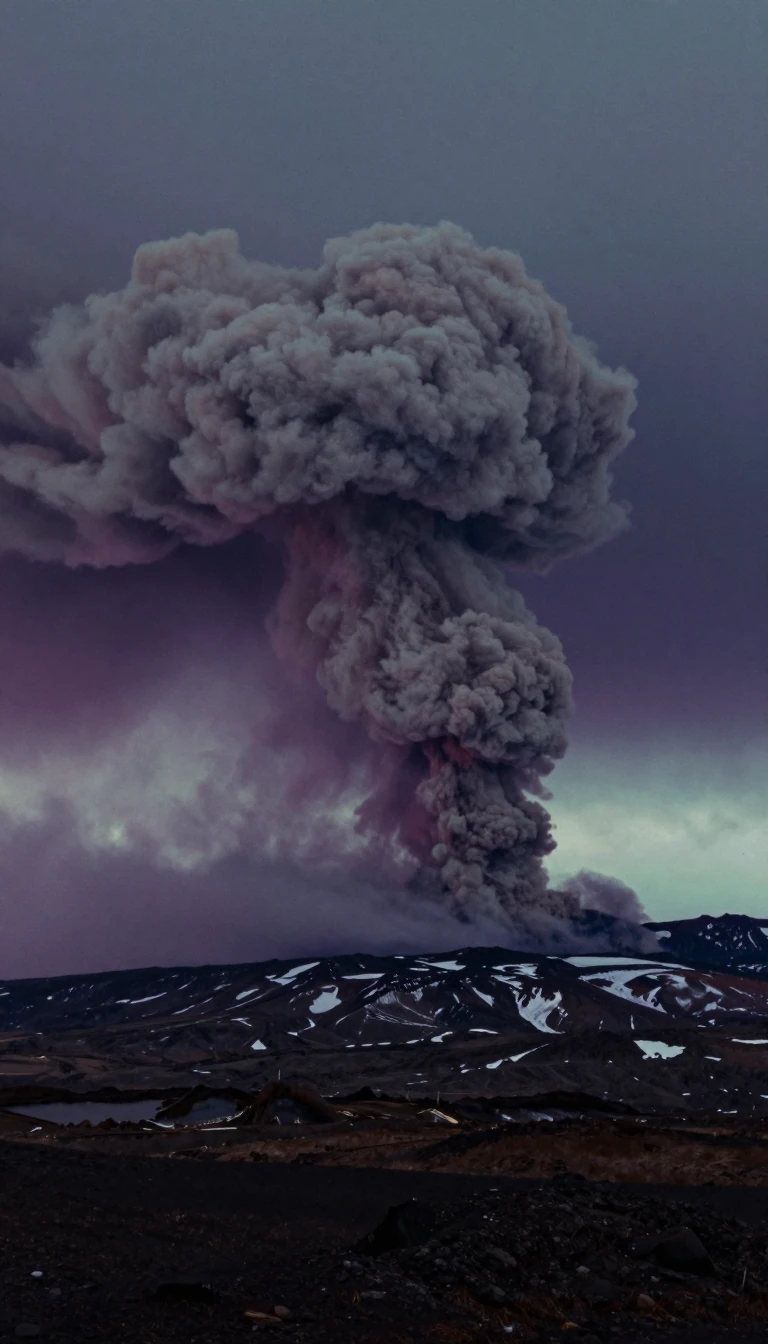
In short: Strokkur is a fountain-type geyser in Iceland that erupts with remarkable frequency, typically every six to ten minutes. While it appears to be a purely natural phenomenon, its current reliability is the result of a deliberate human intervention in 1963 that cleared a blocked conduit deep beneath the earth.
Located in the Haukadalur valley, east of Reykjavík, Strokkur is a centerpiece of a geothermal landscape that includes mud pools, fumaroles, and the famous, though less active, Geysir. The name Strokkur translates to churn, a fitting description for a geyser that regularly propels water between 15 and 20 metres into the air. While these heights are standard, the geyser has occasionally reached heights of up to 40 metres, drawing crowds of tourists who rely on its predictable schedule.
The history of Strokkur is defined by seismic volatility. It was first recorded in 1789, following an earthquake that cleared its subterranean plumbing. Throughout the 19th century, its performance fluctuated significantly; in 1815, observers estimated its eruptions reached as high as 60 metres. However, the geyser’s activity is fragile. By the turn of the 20th century, another earthquake shifted the ground, effectively blocking the conduit and silencing the geyser for decades.
The modern era of Strokkur began in 1963. Acting on the advice of the Geysir Committee, local residents undertook a manual restoration project. By clearing debris from the bottom of the basin, they successfully reopened the conduit, restoring the natural pressure cycles that allow the geyser to function today. This intervention transformed Strokkur into one of the few geysers globally known for both frequent and reliable eruptions, distinguishing it from more sporadic counterparts like the nearby Geysir or the famous Old Faithful in the United States.
Maintaining this geothermal feature remains a delicate balance between geological forces and human management. Because the conduit is susceptible to blockages from seismic activity, the 1963 clearing serves as a reminder that even the most iconic natural wonders can sometimes require human assistance to remain visible. Today, the geyser remains a primary attraction, offering a rare, consistent glimpse into the powerful hydrothermal processes occurring beneath the Icelandic surface.
Opens the Intellect+ feed with this card first. Swipe up for the next one.
Sources
- Summary by Intellect · source: Strokkur
- Also: Wikidata — Strokkur · CC0
- Also: Wikidata — Strokkur · CC0
To cite this card, link to https://intellectplus.co.uk/app/places-strokkur.
How we source, check and correct cards: Editorial standards.
General information, not professional advice. Spotted an error? Flag the card or see corrections and complaints.
Intellect Plus is a visual educational discovery platform for exploring fascinating facts and ideas. Brain Food, Not Brain Rot. What is Intellect Plus?
Related
More in Other hydrological features · More in Countries & Cities · Latest · A–Z · All topics
