The Sudd is a massive, impenetrable wetland that once halted the Roman Empire
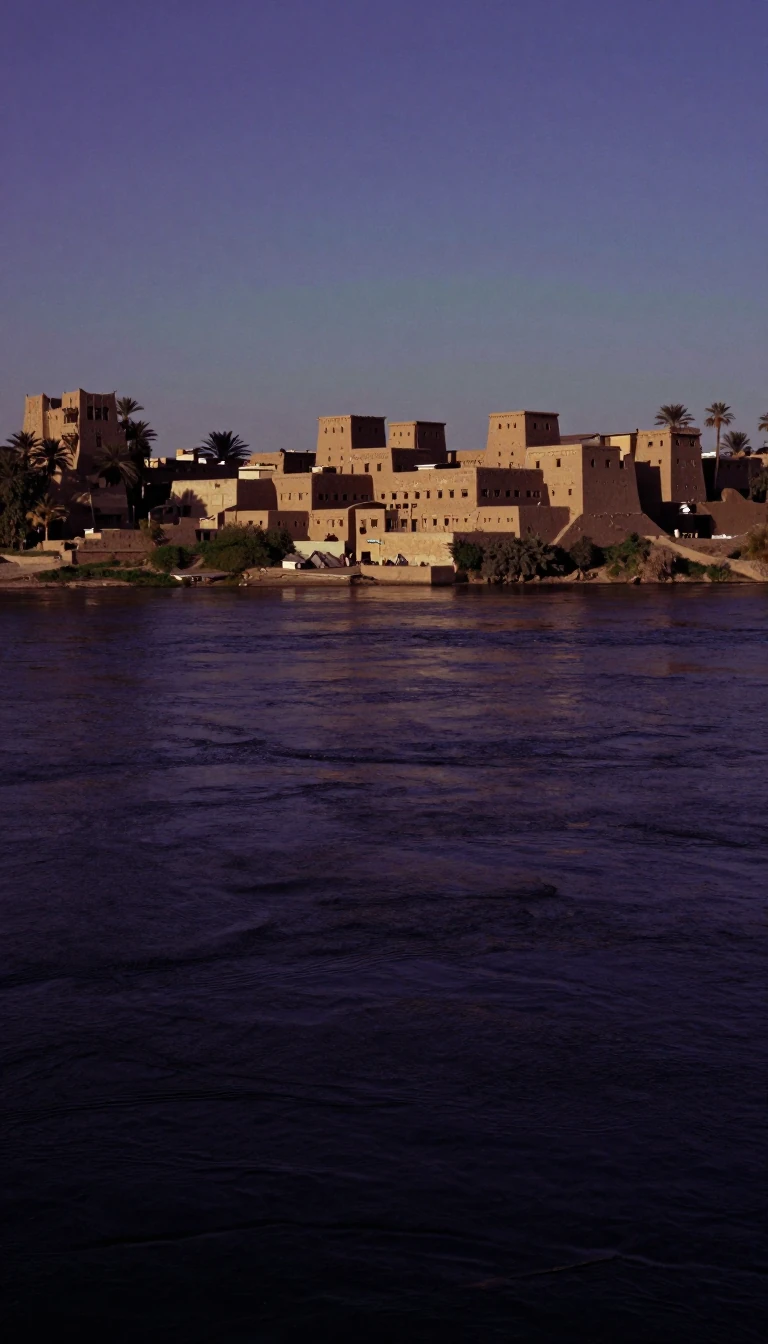
In short: Spanning South Sudan, the Sudd is one of the world's largest freshwater wetlands. This vast, shifting maze of lagoons and papyrus fields acted as a formidable barrier for centuries, famously stopping Roman explorers in AD 61. Today, it remains a complex, vital ecosystem that also influences global methane levels.
The Sudd, whose name derives from the Arabic word for barrier, is a vast, shallow inland delta formed by the White Nile. Its size is remarkably dynamic, averaging over 30,000 square kilometres but potentially expanding to over 130,000 square kilometres during the wet season. This expansion is primarily controlled by discharge from Lake Victoria. The region is defined by a complex network of meandering channels and lagoons, where roughly 55% of incoming water is lost to evaporation and transpiration.
Historically, the swamp was an impassable obstacle for those seeking the source of the Nile. Ancient Egyptians and later Roman soldiers under Emperor Nero failed to navigate beyond it. Even in modern times, the environment presents significant challenges. The area is home to a rich diversity of wildlife, including over 400 bird species and massive mammal migrations involving about 1.2 million individuals, such as the white-eared kob and tiang. However, the region's delicate balance is threatened by potential human intervention.
The Jonglei Canal project, first proposed in 1907, aimed to bypass the Sudd to reduce evaporation and increase water supply for Egypt and Sudan. Construction began in 1978 but was halted by conflict in 1984, leaving a giant, disabled excavation machine—nicknamed 'Sarah' or 'Lucy'—as a rusting monument in the landscape. While the project could increase water discharge by 5–7%, critics warn of catastrophic environmental consequences, including the collapse of fisheries and the drying of essential grazing lands, potentially mirroring the ecological disasters of the Aral Sea or Lake Chad.
Opens the Intellect+ feed with this card first. Swipe up for the next one.
Sources
- Summary by Intellect · source: Sudd
To cite this card, link to https://intellectplus.co.uk/app/places-sudd.
How we source, check and correct cards: Editorial standards.
General information, not professional advice. Spotted an error? Flag the card or see corrections and complaints.
Intellect Plus is a visual educational discovery platform for exploring fascinating facts and ideas. Brain Food, Not Brain Rot. What is Intellect Plus?
Related
More in Other hydrological features · More in Countries & Cities · Latest · A–Z · All topics
