Why a legendary Japanese animation studio is named after a hot Saharan desert wind.
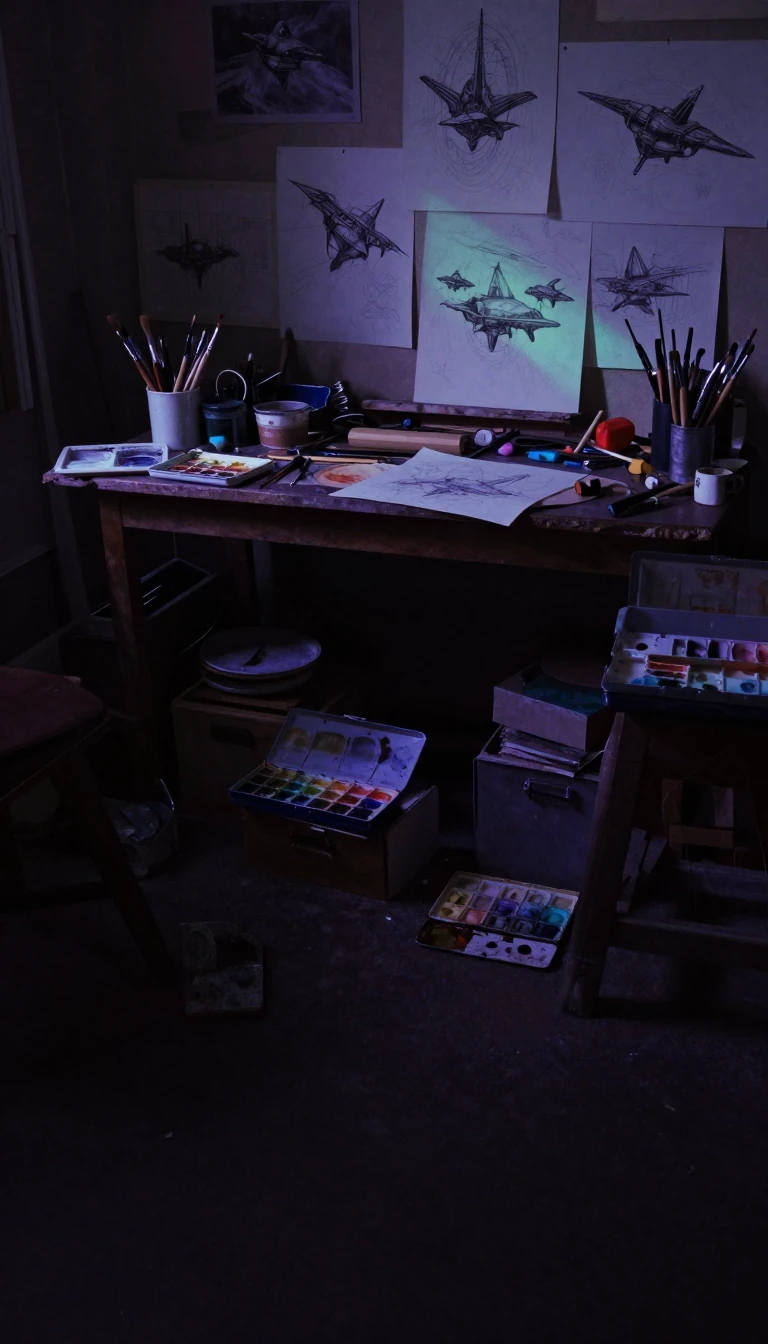
In short: Founded in 1985 to revitalize a stagnating industry, Studio Ghibli took its name from an Italian aircraft nickname. The studio aimed to blow a fresh whirlwind through animation, prioritizing artistic integrity and high-quality production over commercial compromise, a philosophy that eventually transformed global perceptions of Japanese feature-length animated films.
Established on June 15, 1985, by Hayao Miyazaki, Isao Takahata, and producer Toshio Suzuki, Studio Ghibli was born from a desire to dedicate full energy to original storytelling. Miyazaki selected the name 'Ghibli'—derived from the Libyan Arabic term for a hot desert wind—to represent his ambition to shake up the Japanese animation industry. This vision was supported by the publishing company Tokuma Shoten, which provided the necessary infrastructure for the studio to operate with sufficient budget and time, avoiding the common pitfalls of industry compromise.
The studio's trajectory was marked by both creative triumphs and complex corporate shifts. While early films like My Neighbor Totoro and Spirited Away cemented their status as cultural icons, the studio navigated turbulent business waters, including a long-term distribution partnership with The Walt Disney Company that began in 1996. This era saw the studio expand its reach, though it also faced challenges regarding international marketing and the editing of its films. In 2023, the studio transitioned into a subsidiary of Nippon Television Holdings, Inc., a move driven by the advanced ages of its founders and the need for sustainable leadership.
Beyond film production, Studio Ghibli has cultivated a unique brand identity through the Ghibli Museum in Mitaka and the Ghibli Park in Aichi Prefecture. Despite the retirement of key figures and the studio's eventual acquisition, its influence remains profound. From the early days of hand-drawn animation to the adoption of 3D CG in films like Earwig and the Witch, the studio has consistently balanced its commitment to traditional craftsmanship with the realities of a changing global media landscape, ensuring its legacy endures as a cornerstone of modern cinema.
Opens the Intellect+ feed with this card first. Swipe up for the next one.
Sources
- Summary by Intellect · source: Studio Ghibli
- Also: Wikidata — Studio Ghibli · CC0
To cite this card, link to https://intellectplus.co.uk/app/places-studio-ghibli.
How we source, check and correct cards: Editorial standards.
General information, not professional advice. Spotted an error? Flag the card or see corrections and complaints.
Intellect Plus is a visual educational discovery platform for exploring fascinating facts and ideas. Brain Food, Not Brain Rot. What is Intellect Plus?
Related
More in Cities · More in Countries & Cities · Latest · A–Z · All topics
