How a forest spirit became a global cultural icon and a mascot for nature
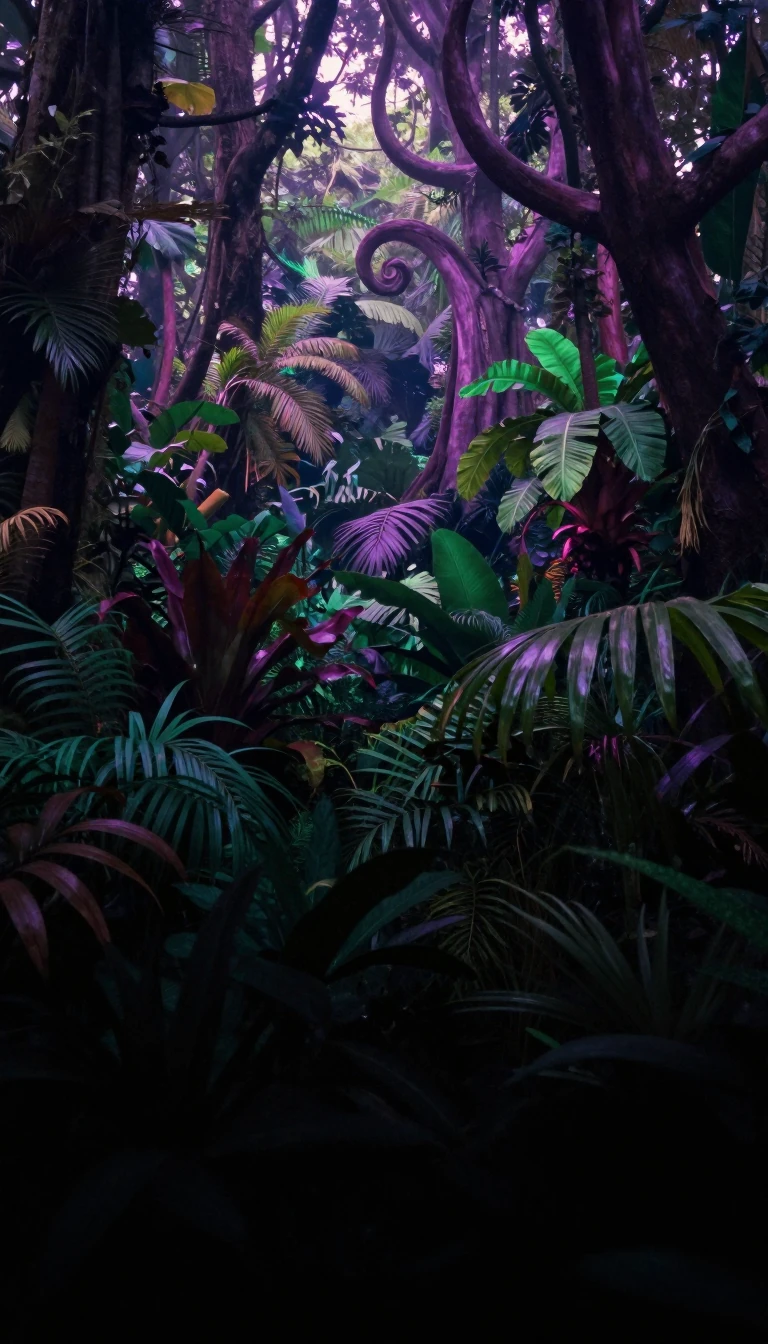
In short: Hayao Miyazaki’s 1988 masterpiece My Neighbor Totoro transformed a simple story about two sisters in postwar Japan into a global phenomenon. Beyond its critical acclaim, the film’s titular forest spirit evolved into a beloved mascot, a symbol of environmental preservation, and even the namesake for a newly discovered velvet worm.
Released in 1988, My Neighbor Totoro follows two sisters, Satsuki and Mei, who move to the Japanese countryside to be near their hospitalized mother. The film is celebrated for its lack of traditional conflict, relying instead on atmosphere and the wonder of childhood. Art director Kazuo Oga’s evocative, translucent backgrounds helped define the Studio Ghibli aesthetic, creating a world where nature feels spiritually alive. This approach reflects the Japanese animist tradition, with Totoro serving as a forest keeper or kami residing in a camphor tree.
The film’s production was a collaborative effort involving eight animators over eight months. While Miyazaki initially envisioned a single protagonist, he found it necessary to create two sisters to facilitate the plot. The result is a film that critics like Roger Ebert praised for its lifelike observation of children. Despite its modest initial box office in Japan, the film grew into a massive success through home video and merchandise, eventually grossing over $41 million worldwide. Its cultural footprint is immense, with the character Totoro becoming the official mascot for Studio Ghibli.
The film’s influence extends far beyond cinema. In Japan, the 'Totoro Hometown Fund Campaign' used the character to help preserve satoyama landscapes. Internationally, the film has been re-released multiple times, including a 2018 Chinese theatrical debut that grossed $25.8 million by early 2019. The character’s reach is even scientific; in 2013, a species of velvet worm discovered in Vietnam was named Eoperipatus totoro, referencing the creature's resemblance to the film’s multi-legged Catbus. Today, the film remains a touchstone for its ability to capture the simple grace of childhood.
Opens the Intellect+ feed with this card first. Swipe up for the next one.
Sources
- Summary by Intellect · source: My Neighbor Totoro
- Also: Art Institute of Chicago — My Neighbors · CC0 (data); description CC BY 4.0
To cite this card, link to https://intellectplus.co.uk/app/art-my-neighbor-totoro.
How we source, check and correct cards: Editorial standards.
General information, not professional advice. Spotted an error? Flag the card or see corrections and complaints.
Intellect Plus is a visual educational discovery platform for exploring fascinating facts and ideas. Brain Food, Not Brain Rot. What is Intellect Plus?
Related
More in Film and television · More in Art · Latest · A–Z · All topics
