How a Central Asian railway hub became a melting pot of two distinct cultures
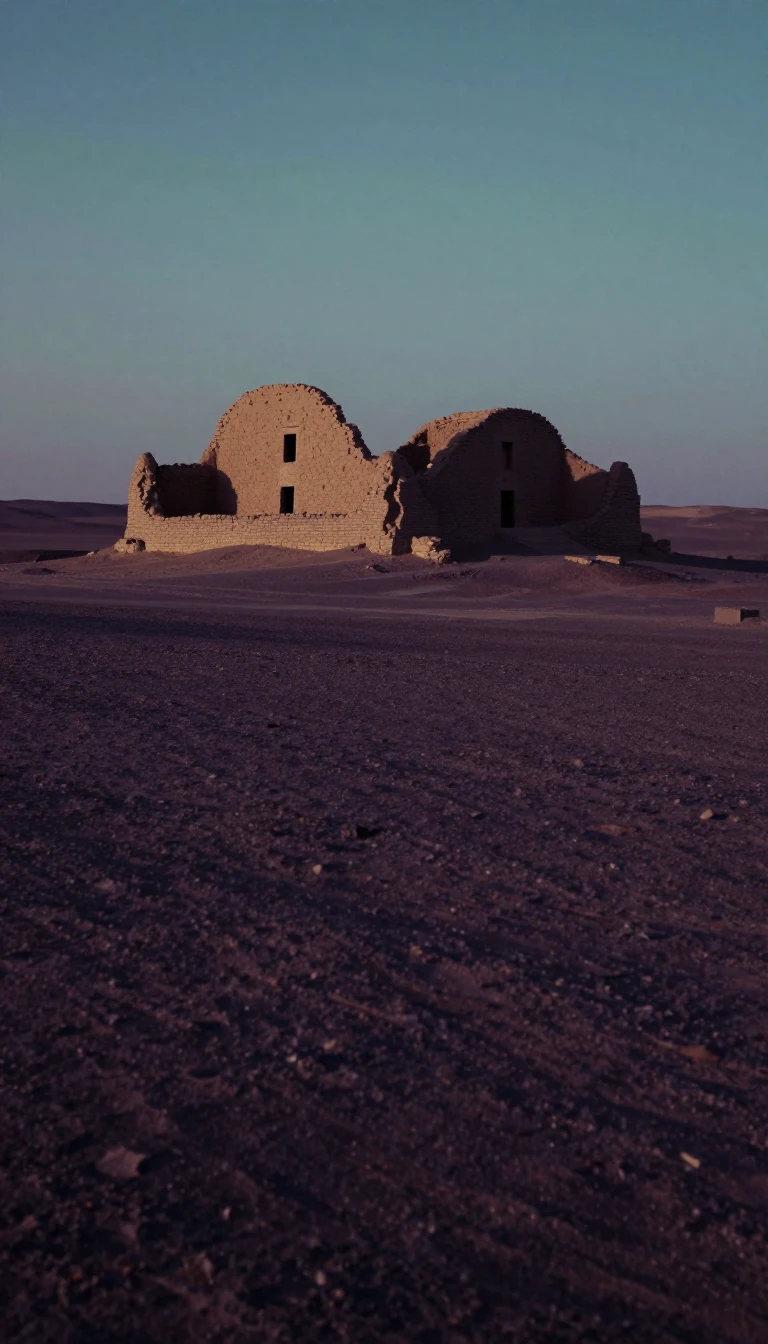
In short: Türkmenabat sits on the banks of the Amu Darya River, a city with 2,000 years of history. Once a vital Silk Road intersection known as Āmul, it evolved into a modern industrial center. Today, it remains a unique cultural crossroads where Turkmen and Uzbek influences blend into a distinct regional dialect.
Known anciently as Āmul, the city served as a crucial hub for three Great Silk Road routes connecting to Bukhara, Khiva, and Merv. Its strategic importance persisted through the centuries as part of the Uzbek feudal khanate of Bukhara. The city's modern identity began in 1886 when Russian Cossacks established a settlement named New-Chardjuy to facilitate the construction of the Trans-Caspian railway. This infrastructure project cemented the city's role as a vital commercial and transportation nexus in Central Asia.
The city's political geography shifted dramatically in 1924. Although the urban population was predominantly Uzbek, Soviet planners transferred the city to the newly formed Turkmen Soviet Socialist Republic to provide an industrial anchor for the region. This decision forced a unique demographic and linguistic synthesis. Today, residents of Türkmenabat and northern Lebap province speak a hybrid dialect that fuses Turkmen and Uzbek, reflecting the deep-seated cultural and historical ties between the two nations.
While the city was the industrial heart of Turkmenistan during the Soviet era, the post-independence period saw significant economic restructuring, with many transport and industrial roles shifting toward Ashgabat. Despite these changes, the city remains a vibrant trade center. Its famous bazaars, such as the Dünýä bazar, attract visitors from across the country to purchase goods from China, Turkey, Russia, and Uzbekistan. Modern infrastructure, including a new international airport opened in 2018 and rail bridges completed in 2017, continues to link this historic river city to the wider world.
Beyond its economic functions, the city maintains a distinct local character. It features a cold desert climate and is situated near the Repetek Nature Reserve, home to the desert crocodile. With its blend of ancient history, Soviet-era industrial planning, and a unique linguistic heritage, Türkmenabat stands as a testament to the complex, shifting borders and cultural exchanges that have defined Central Asia for millennia.
Opens the Intellect+ feed with this card first. Swipe up for the next one.
Sources
- Summary by Intellect · source: Türkmenabat
- Also: Wikidata — Türkmenabat · CC0
To cite this card, link to https://intellectplus.co.uk/app/places-t-rkmenabat.
How we source, check and correct cards: Editorial standards.
General information, not professional advice. Spotted an error? Flag the card or see corrections and complaints.
Intellect Plus is a visual educational discovery platform for exploring fascinating facts and ideas. Brain Food, Not Brain Rot. What is Intellect Plus?
Related
More in Asia · More in Countries & Cities · Latest · A–Z · All topics
