Turkestan: A vast, shifting historical crossroads that never existed as a single nation
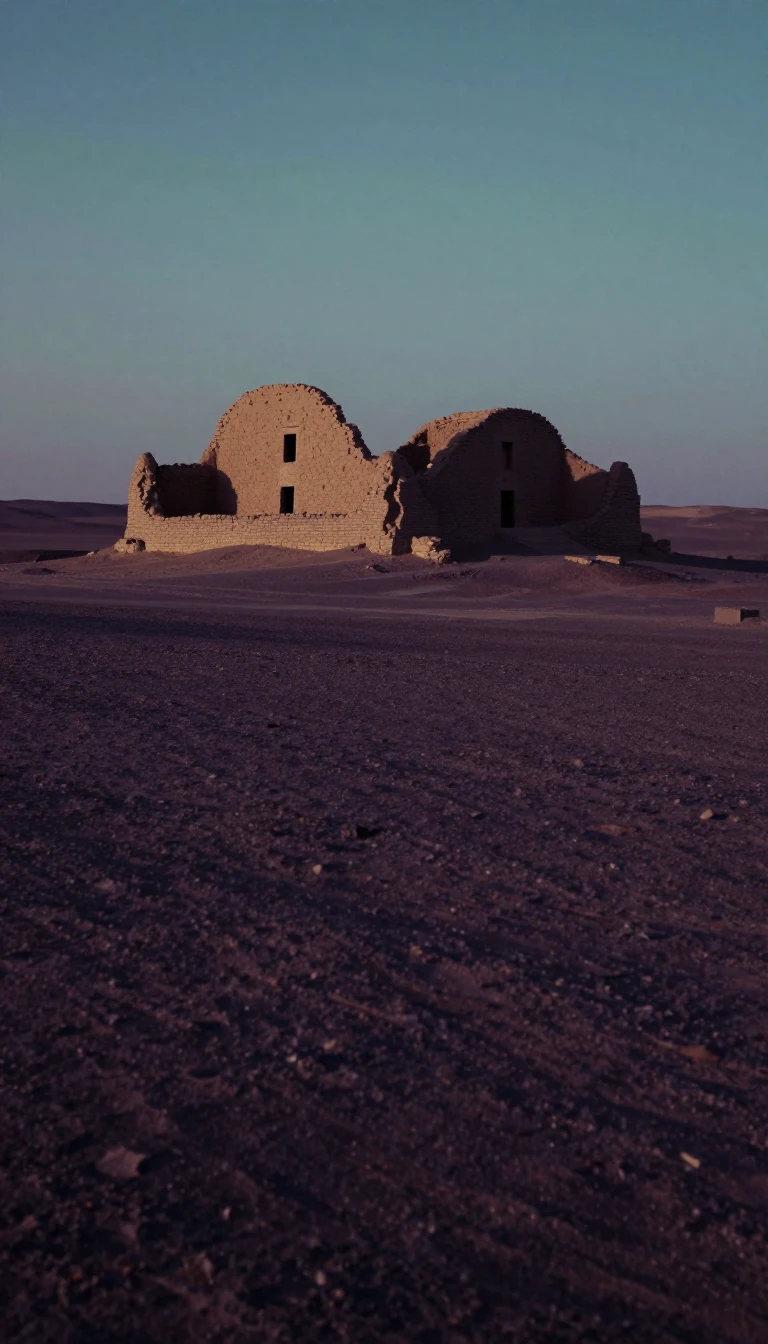
In short: Spanning from the Caspian Sea to the Gobi Desert, Turkestan is a name for a region, not a country. Historically, it has been a fluid mosaic of empires, from the Mongols to the Russian Empire, defined by its role as a bridge between the Islamic world, China, and the nomadic north.
The term Turkestan, derived from the Persian suffix for 'place of,' was historically used by geographers to describe the lands inhabited by Turkic peoples. It was never a unified nation-state. Instead, the region—often called Turan by Persians or Transoxiana by Western travelers—has been a focal point for cultural diffusion since at least the third millennium BC. Its geography, defined by the towering Pamir and Tian-Shan mountains and vast deserts like the Karakum, facilitated the Silk Road, making it a prize for successive empires including the Huns, the Arab Caliphates, and the Mongol Empire.
The region's identity is deeply layered. In the 12th century, the Qara Khitai, or Western Liao, maintained a unique hybrid state that utilized Chinese imperial titles and administrative trappings to legitimize their rule over a Muslim-majority population. This association with China was so strong that medieval Islamic writers sometimes categorized parts of Turkestan as extensions of China. Conversely, the Russian Empire’s 19th-century expansion led to the formal adoption of 'Turkestan' for their southern provinces, a move some historians suggest was triggered by a misunderstanding of the name of the city of Turkistan, though evidence of earlier Persian usage exists.
By the 20th century, the region underwent radical political restructuring. Following the dissolution of the Soviet Union in 1991, the area formerly known as Russian Turkestan was partitioned into five independent nations: Kazakhstan, Kyrgyzstan, Tajikistan, Turkmenistan, and Uzbekistan. Today, the term remains politically and culturally charged; in 2024, the Turkish Ministry of Education officially replaced the term 'Central Asia' with 'Turkestan' in its history textbooks, reflecting a modern effort to emphasize the region's historical and ethnic connections to the broader Turkic world.
Opens the Intellect+ feed with this card first. Swipe up for the next one.
Sources
- Summary by Intellect · source: Turkestan
To cite this card, link to https://intellectplus.co.uk/app/history-turkestan.
How we source, check and correct cards: Editorial standards.
General information, not professional advice. Spotted an error? Flag the card or see corrections and complaints.
Intellect Plus is a visual educational discovery platform for exploring fascinating facts and ideas. Brain Food, Not Brain Rot. What is Intellect Plus?
Related
More in Early modern · More in History · Latest · A–Z · All topics
