How a Mongol summer palace became the ultimate bridge between China and ancient Persia.
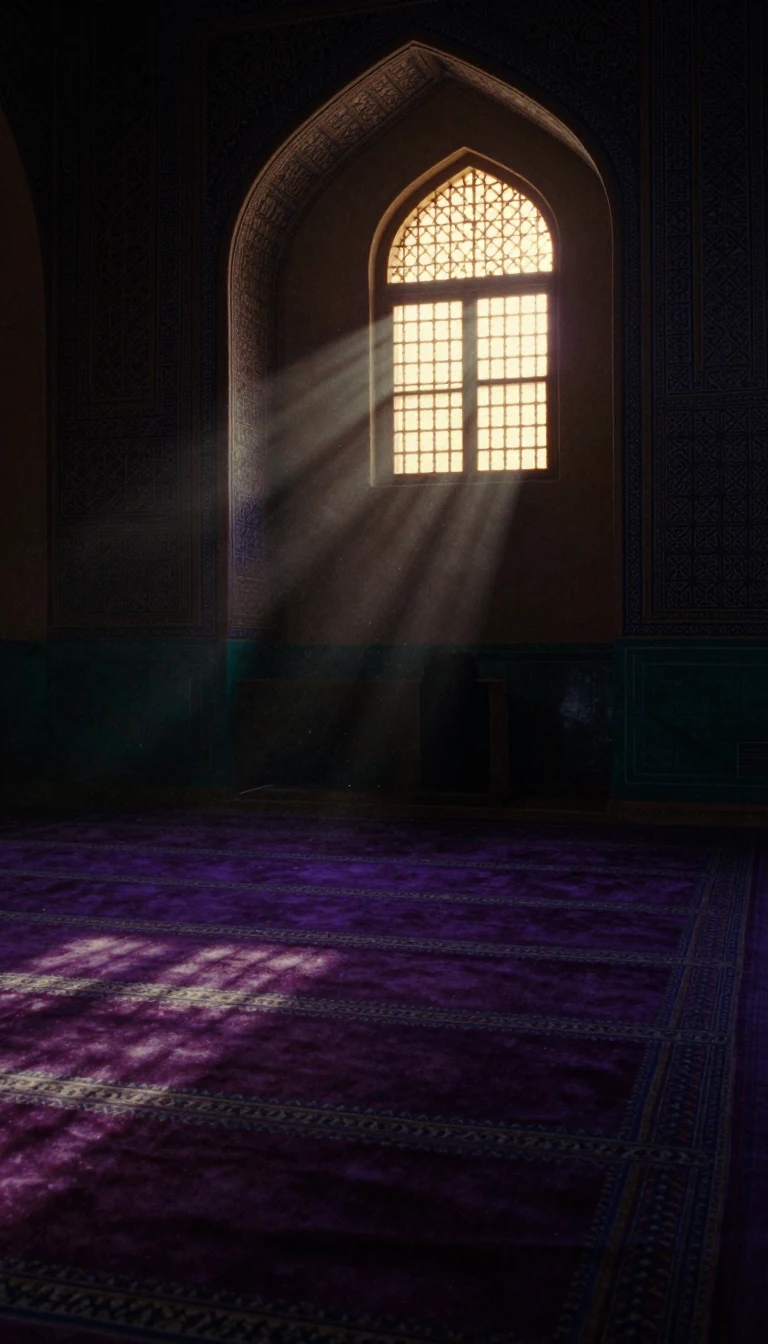
In short: Built atop the ruins of a sacred Sasanian fire temple, Takht-e Soleyman is a unique architectural hybrid. This thirteenth-century Ilkhanid complex synthesized nomadic Mongol tent traditions with sophisticated Persian masonry, creating a secular palace that physically mapped the vast cultural reach of the Mongol Empire through its art and design.
Takht-e Soleyman, or the Throne of Solomon, is a fortified archaeological site in northwestern Iran that served as a summer residence for the Ilkhanid dynasty. Established by Abaqa Khan in the 1270s, the palace was intentionally constructed over the remains of a fifth-century Sasanian fire temple. By repurposing this ancient site, the Mongol rulers sought to legitimize their authority, positioning themselves as the rightful successors to the deep historical fabric of Iran.
The architecture of the site reflects a deliberate synthesis of diverse traditions. The layout, oriented cardinally, mirrors both traditional Chinese city planning and the structure of Mongol nomadic camps. Within the fortified ovular walls, the complex featured an artificial lake and elaborate porticoes. The interior decoration was equally cosmopolitan, utilizing the lajvardina technique for luster tiles that depicted Chinese motifs like dragons and phoenixes alongside scenes from the Persian epic, the Shahnameh. These tiles served as a visual manifesto, blending Buddhist, Taoist, and Confucian symbols with Iranian literary history.
Perhaps the most significant find at the site is a stucco plate discovered in a southern octagonal chamber. This artifact contains a geometric grid used for planning muqarnas—the intricate, honeycomb-like vaulting common in Islamic architecture. As one of the earliest known architectural plans for such a design, it provides a rare glimpse into the technical sophistication of the era. Scholars have used this plate, alongside the writings of the mathematician Ghiyath al-Din al-Kashi, to reconstruct how Ilkhanid craftsmen achieved such complex, mathematically precise ornamentation.
Today, the site stands as a testament to the Ilkhanids' transition from a nomadic military force to a sedentary, culturally integrated dynasty. By combining temporary tent-like structures with permanent masonry, the palace functioned as a hub for administrative duties, hunting, and courtly life. It remains a vital link in understanding how the Mongol Empire facilitated the transmission of artistic motifs between East Asia and the Islamic world.
Opens the Intellect+ feed with this card first. Swipe up for the next one.
Sources
- Summary by Intellect · source: Takht-e Soleymān
- Also: Wikidata — Takht-e Soleyman · CC0
- Also: Wikidata — Takht-e Soleyman · CC0
To cite this card, link to https://intellectplus.co.uk/app/places-takht-e-soleym-n.
How we source, check and correct cards: Editorial standards.
General information, not professional advice. Spotted an error? Flag the card or see corrections and complaints.
Intellect Plus is a visual educational discovery platform for exploring fascinating facts and ideas. Brain Food, Not Brain Rot. What is Intellect Plus?
Related
More in Archaeology · More in History · Latest · A–Z · All topics
