Tamale: The rapid transformation of Ghana's fastest-growing northern economic hub
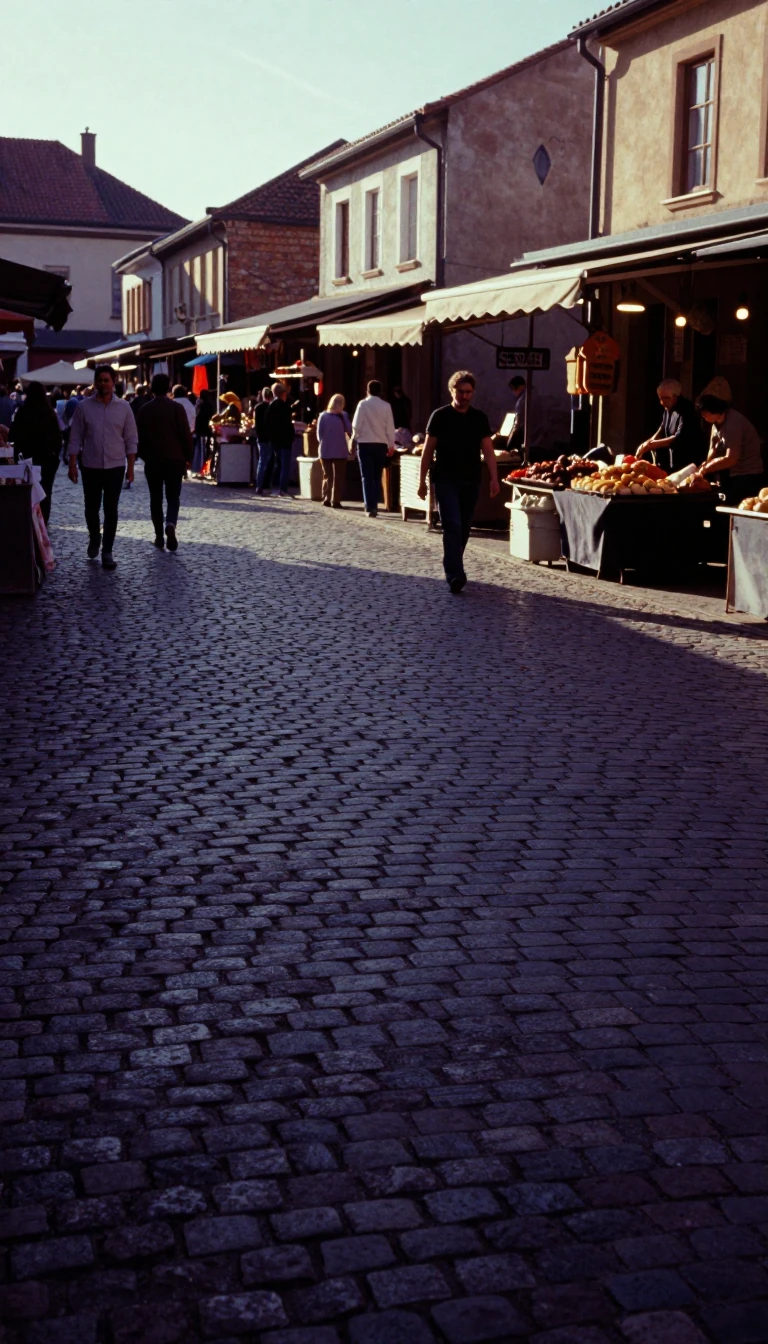
In short: Once a collection of small villages, Tamale has evolved into Ghana's third-largest city and a critical administrative center. While it serves as a gateway to the north, the city balances traditional Dagomba heritage with modern urban challenges, from climate-threatened agriculture to complex local power dynamics and rapid infrastructure expansion.
Located within the historic Kingdom of Dagbon, Tamale’s trajectory shifted significantly in 1907 when the British established administrative headquarters there. The 1920 construction of the 'Great North Road' cemented its status as a vital business hub. By 1960, it became the capital of the Northern Region, a status it maintains today. This rapid growth was fueled by residents seeking reliable water and electricity, though this expansion has created friction by consuming land once used for farming.
The city’s governance remains a point of local debate. While the municipal area operates under a mayor-council system with a mayor appointed by the president, many residents advocate for direct elections to improve accountability. This administrative structure sits atop a complex social history; the British policy of indirect rule created a lingering power imbalance between local chiefs, specifically the Gulkpe Na and the Dakpema, leading to ongoing tensions that persist despite the introduction of modern local councils.
Today, Tamale serves as the educational and medical heart of Northern Ghana, housing the country's third-largest hospital. However, the economy faces significant hurdles. While it has diversified beyond traditional agriculture into manufacturing and trade, the region struggles with high unemployment and poverty. Climate change further complicates this, as frequent droughts and unpredictable weather threaten the staple crop farming that remains central to the livelihoods of many residents.
Culturally, the city remains a vibrant center for the Dagbamba people, known for traditional dances like the Baamaya and Tora. Despite its growth, the city retains a distinct character, where motorbikes—rather than taxis—are the primary mode of transport for locals. With over 600,000 motorbikes recorded in 2024, the streets reflect a unique urban rhythm that continues to evolve as the city navigates its role as a regional powerhouse.
Opens the Intellect+ feed with this card first. Swipe up for the next one.
Sources
- Summary by Intellect · source: Tamale, Ghana
To cite this card, link to https://intellectplus.co.uk/app/places-tamale-ghana.
How we source, check and correct cards: Editorial standards.
General information, not professional advice. Spotted an error? Flag the card or see corrections and complaints.
Intellect Plus is a visual educational discovery platform for exploring fascinating facts and ideas. Brain Food, Not Brain Rot. What is Intellect Plus?
Related
More in Africa · More in Countries & Cities · Latest · A–Z · All topics
