The city that served as the world's first global shortcut
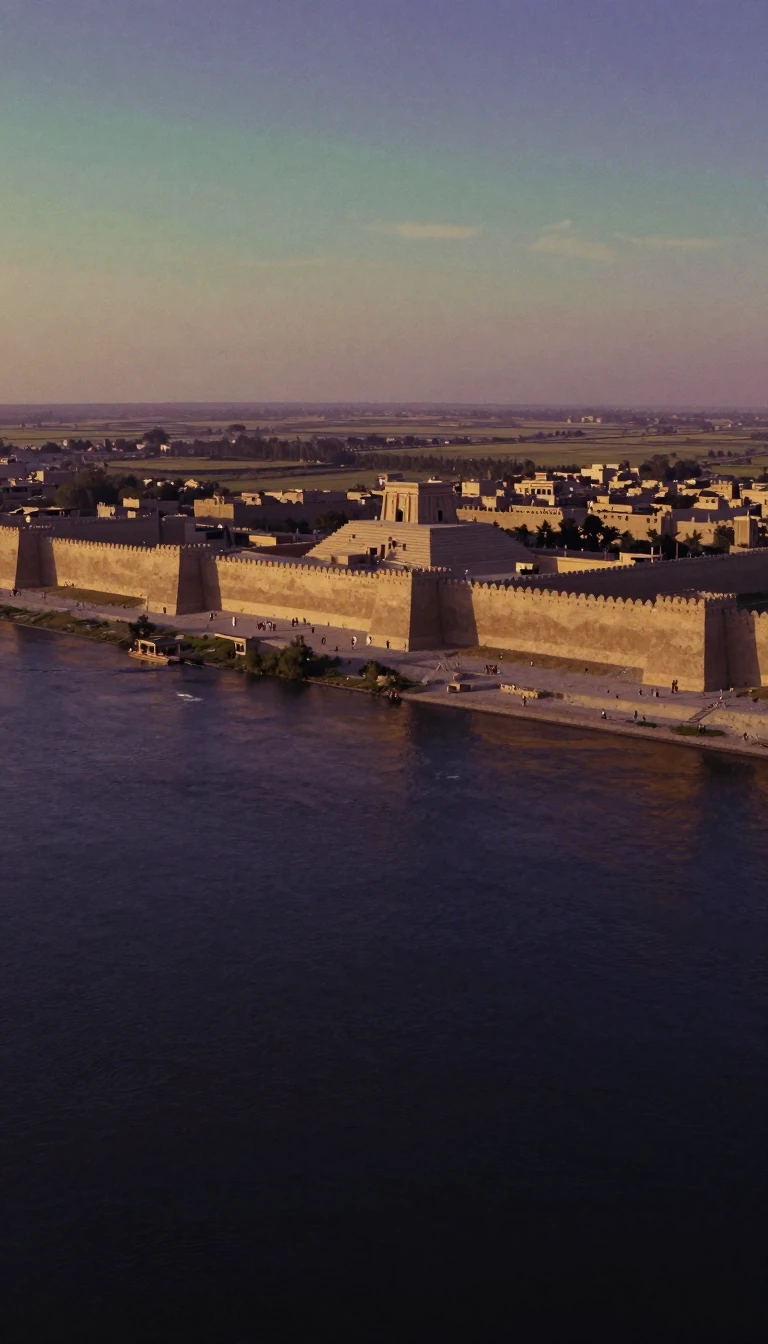
In short: Before the modern canal existed, ancient empires were already carving paths through the desert to link continents. From Persian kings to medieval caliphs, Suez has functioned as a strategic choke point where geography dictates the flow of global wealth and military power.
The concept of a maritime shortcut between Egypt and Persia dates back to antiquity. Inscriptions from Darius the Great reveal that he ordered the digging of a canal connecting the Nile to the sea, specifically to facilitate trade between his satrapy in Egypt and the heart of the Achaemenid Empire. This ancient ambition was echoed centuries later; by the 7th century AD, a town called Kolzum served as the terminus for a canal linking the Nile and the Red Sea. However, these early routes were often subject to political whims—the second Abbasid caliph closed his canal in 770 to block supplies to enemies in Arabia.
The modern Suez Canal, which opened on November 17, 1869, was designed by Ferdinand de Lesseps after he acquired the rights from Said Pasha. Its construction took 11 years and capitalized on the region's flat terrain and natural depressions like the Bitter Lakes. The canal immediately transformed world trade by providing a significantly shorter passage than sailing around the Cape of Good Hope. By 2009, the income from this vital link accounted for 3.7% of Egypt's GDP.
Suez has also been a theater of intense military and revolutionary friction. It was fortified by Saladin against Crusader raids in the 12th century and served as a major naval station for the Ottomans against Portuguese expansion in the 16th century. In the 20th century, it became a flashpoint for the Suez Crisis of 1956 and the conflicts of 1967 and 1973, which left much of the city in ruins. Today, it remains a symbol of both industrial progress—housing major oil refineries and petrochemical plants—and civic courage, having been the site of Egypt's first major protests during the 2011 revolution.
The city’s identity is literally rooted in its environment; its name is derived from an Arabic word for 'liquorice.' Geographically, it sits on the Isthmus of Suez, the traditional boundary between Africa and Asia. While it faced a modern logistical crisis in March 2021 when the container ship Ever Given blocked the waterway, its role as a cornerstone of global commerce remains undisputed.
Opens the Intellect+ feed with this card first. Swipe up for the next one.
Sources
- Summary by Intellect · source: Suez
- Also: Wikidata — SUEZ · CC0
To cite this card, link to https://intellectplus.co.uk/app/places-suez.
How we source, check and correct cards: Editorial standards.
General information, not professional advice. Spotted an error? Flag the card or see corrections and complaints.
Intellect Plus is a visual educational discovery platform for exploring fascinating facts and ideas. Brain Food, Not Brain Rot. What is Intellect Plus?
Related
More in Africa · More in Countries & Cities · Latest · A–Z · All topics
