Tartus: A Mediterranean Port City Shaped by Phoenicians, Crusaders, and Modern Geopolitics
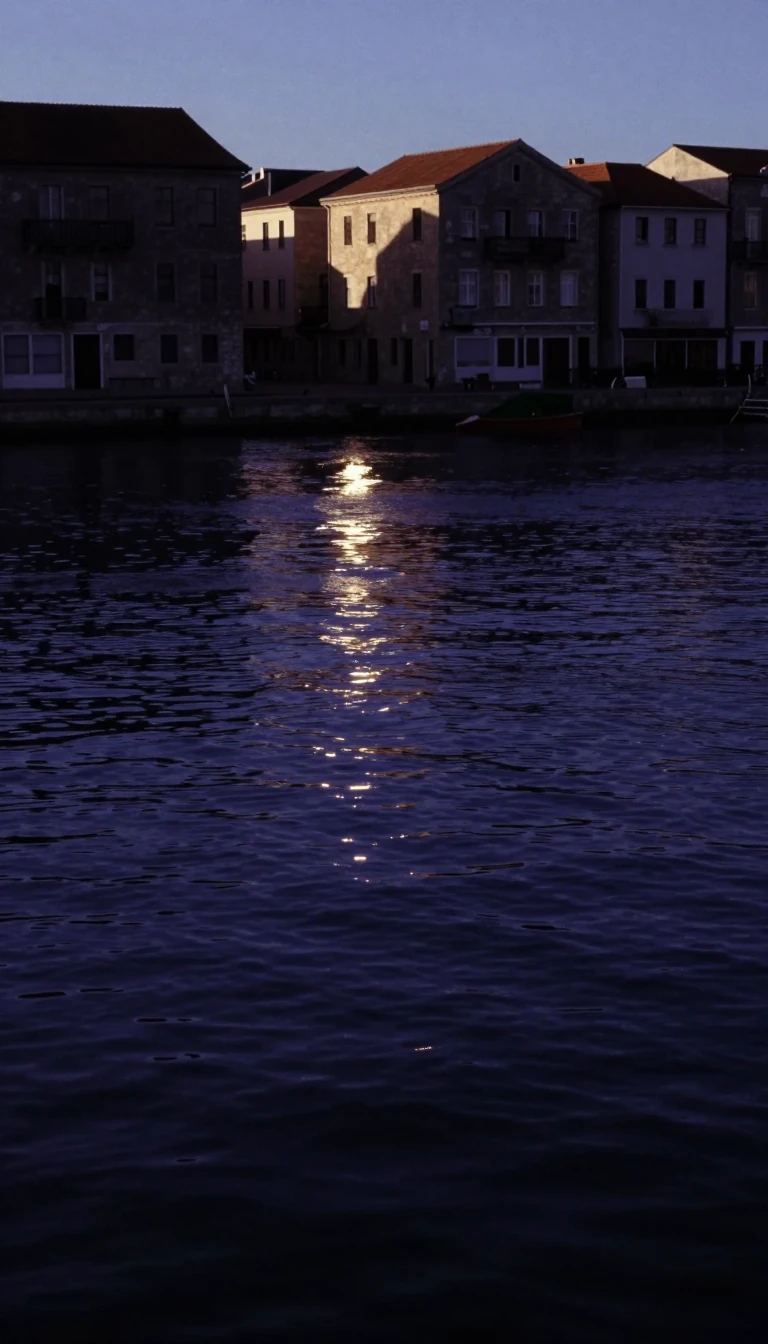
In short: Perched on the Syrian coast, Tartus has evolved from an ancient Phoenician colony into a pivotal strategic hub. From its origins as a Crusader stronghold to its current role in regional reconstruction and international naval logistics, this city remains a vital, contested gateway between the Mediterranean and the Middle East.
Founded as the Phoenician colony Antaradus, the city has long served as a vital maritime link. Its name, derived from the Greek for 'the town facing Aradus,' reflects its historical relationship with the nearby island. Throughout antiquity, it was a site of religious devotion, hosting one of the earliest chapels dedicated to the Virgin Mary in the 3rd century. By the Crusades, it had become a formidable military center, famously handed to the Knights Templar in 1152. The Templars transformed the city into a headquarters, constructing a castle with double concentric walls that held out against various sieges until 1291.
The city's strategic value persisted through the Ottoman era and into the modern age. In the 20th century, it became the site of a Soviet-era naval supply base, which remains the only Russian military facility outside the former Soviet Union and a critical fueling point for its Mediterranean fleet. This geopolitical importance is matched by its economic role; the port of Tartus is one of Syria's two main maritime gateways, recently slated for a major $800 million redevelopment deal with Dubai-based DP World to support post-war reconstruction.
Despite its resilience, Tartus has faced significant turbulence. While it remained a government stronghold for much of the Syrian Civil War, it was not immune to violence, including a 2016 suicide bombing. Following the collapse of the Assad government in December 2024, the city came under the control of HTS forces. Today, Tartus stands at a crossroads, balancing its rich archaeological heritage—housed in the 12th-century cathedral-turned-museum—with the urgent demands of regional recovery and shifting political alliances.
Opens the Intellect+ feed with this card first. Swipe up for the next one.
Sources
- Summary by Intellect · source: Tartus
- Also: Wikidata — Tartu · CC0
To cite this card, link to https://intellectplus.co.uk/app/places-tartus.
How we source, check and correct cards: Editorial standards.
General information, not professional advice. Spotted an error? Flag the card or see corrections and complaints.
Intellect Plus is a visual educational discovery platform for exploring fascinating facts and ideas. Brain Food, Not Brain Rot. What is Intellect Plus?
Related
More in Asia · More in Countries & Cities · Latest · A–Z · All topics
