Why the surface beneath your feet dictates how a tennis match is won
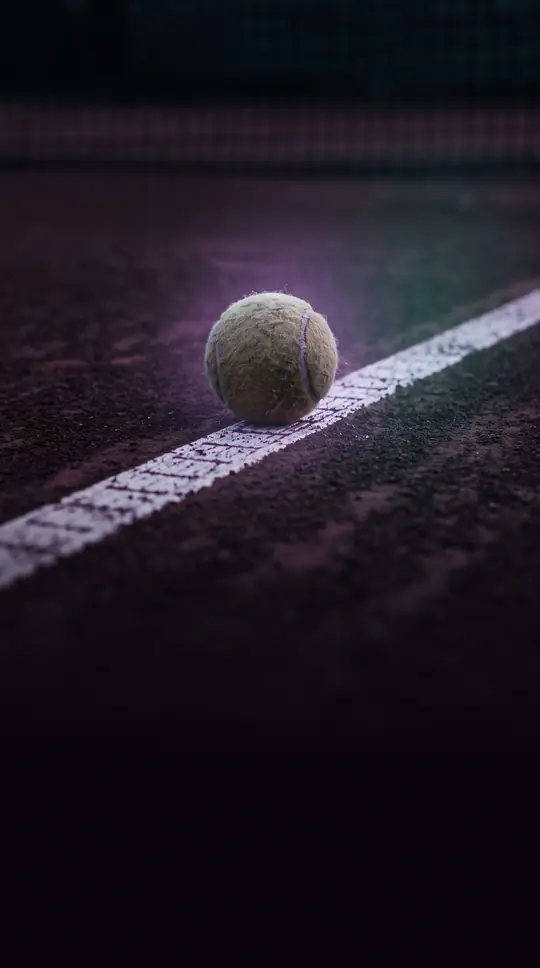
In short: A tennis court is far more than a simple rectangle. From crushed brick to termite mounds, the material underfoot fundamentally alters the physics of the game. By changing the speed and bounce of the ball, the court surface dictates which playing styles thrive and which strategies are destined to fail.
The International Tennis Federation defines the standard tennis court as a 78-foot long rectangle, but the playing experience varies wildly based on the surface material. These surfaces are categorized into four primary types: clay, grass, hard, and carpet. Each material influences the ball's behavior, forcing players to adapt their tactics to the environment. For instance, clay courts—made of crushed shale, stone, or brick—slow the ball down and produce a high bounce. This environment neutralizes powerful serves, favoring baseline players who can sustain long rallies, whereas grass courts, the fastest surface in common use, reward serve-and-volley players with quick, low bounces.
Hard courts, constructed from rigid materials like concrete or asphalt and often topped with acrylic, offer a middle ground. They provide a more consistent bounce than other surfaces and are the standard for modern professional events, including the Australian and US Opens. While hard courts are faster than clay, they lack the extreme speed of grass. The specific composition, such as the amount of sand added to the paint, can further fine-tune the speed of these courts, making them versatile for various climates and indoor installations.
Beyond the professional circuit, tennis surfaces reflect local ingenuity and history. In Britain, some clay courts use burnt shale for a grittier, faster feel, while rural Australia has seen courts made from compacted termite mounds. In India and the Philippines, materials as diverse as animal dung and crushed sea-shells have been employed. Meanwhile, the ITF has standardized smaller courts for children to ensure they can develop skills on surfaces scaled to their bodies. Whether it is a professional Grand Slam venue or a local park, the court remains the most critical variable in the sport's complex tactical landscape.
Opens the Intellect+ feed with this card first. Swipe up for the next one.
Sources
- Summary by Intellect · source: Tennis court
- Also: Wikidata — Tennis Court · CC0
- Also: Wikidata — tennis court · CC0
To cite this card, link to https://intellectplus.co.uk/app/places-tennis-court.
How we source, check and correct cards: Editorial standards.
General information, not professional advice. Spotted an error? Flag the card or see corrections and complaints.
Intellect Plus is a visual educational discovery platform for exploring fascinating facts and ideas. Brain Food, Not Brain Rot. What is Intellect Plus?
Related
More in Asia · More in Countries & Cities · Latest · A–Z · All topics
