Why this high-altitude Myanmar city was built on a ridge instead of a valley
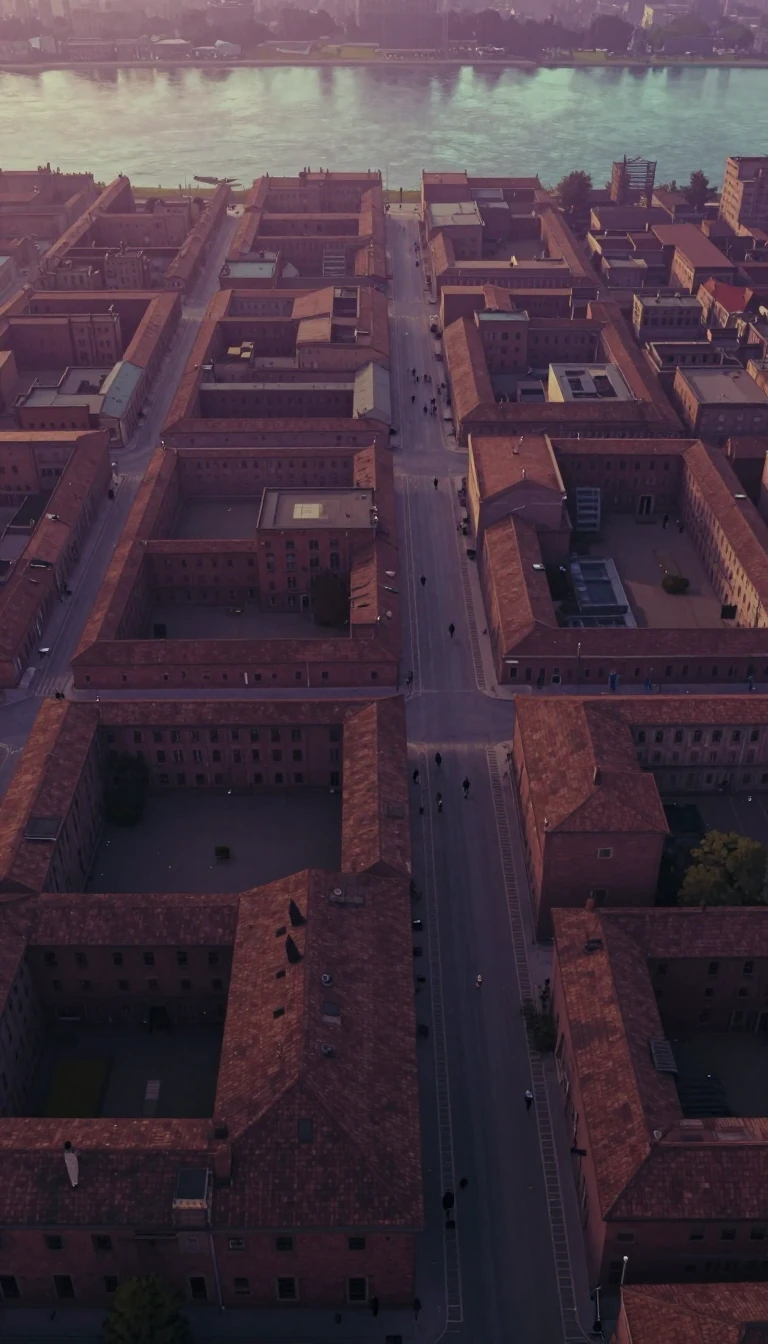
In short: Taunggyi sits 4,712 feet above sea level, defying the typical lowland geography of Myanmar. Originally a cluster of small villages, it was transformed by British colonial planners into a strategic hill station. Today, this mountain-ridge capital serves as a vital, ethnically diverse commercial hub for the entire Shan State.
The name Taunggyi translates to big mountain in Burmese, a nod to the prominent ridge of the Shan Hills system that defines the city's layout. Unlike most urban centers, which settle on valley floors, Taunggyi is constructed directly along these mountain ridges. This unique positioning offers residents and visitors sweeping views of the surrounding valleys and mountain ranges, while providing a climate that remains cool and pleasant throughout the year.
The city's modern evolution began in 1894. British administrators initially established their headquarters for the Shan States at Maing Thauk, but the site proved problematic due to damp conditions and malaria. Seeking a healthier environment, they relocated to the higher plateau where Taunggyi stood. By 1906, the town had been systematically organized with a grid-like street pattern, functioning as a key military and civil supply base that housed the regional British Superintendent.
Following Myanmar's independence in 1948, Taunggyi solidified its role as the capital of Shan State. Its strategic location on major highways connecting to Kengtung and the Thai border turned it into a critical junction for trade and logistics. The city has since grown into a bustling commercial and educational center, home to a diverse population including Pa-O, Shan, Intha, and Burmese-Chinese communities. While it lacks heavy industry, it remains an agricultural hub, with local farmers producing tea, potatoes, and seasonal fruits.
Beyond its administrative importance, Taunggyi is famous for the Tazaungdaing Festival, which features a spectacular hot air balloon event. The city also serves as a gateway to regional landmarks like the 16th-century Kekku Pagodas and the famous Inle Lake. Despite the challenges of its steep, winding mountain access, the city continues to thrive as the fifth-largest urban center in Myanmar, balancing its colonial-planned infrastructure with the vibrant, evolving culture of the Shan State.
Opens the Intellect+ feed with this card first. Swipe up for the next one.
Sources
- Summary by Intellect · source: Taunggyi
- Also: Wikidata — Taunggyi · CC0
To cite this card, link to https://intellectplus.co.uk/app/places-taunggyi.
How we source, check and correct cards: Editorial standards.
General information, not professional advice. Spotted an error? Flag the card or see corrections and complaints.
Intellect Plus is a visual educational discovery platform for exploring fascinating facts and ideas. Brain Food, Not Brain Rot. What is Intellect Plus?
Related
More in Asia · More in Countries & Cities · Latest · A–Z · All topics
