Why did Myanmar build a massive, empty capital city in the middle of nowhere?
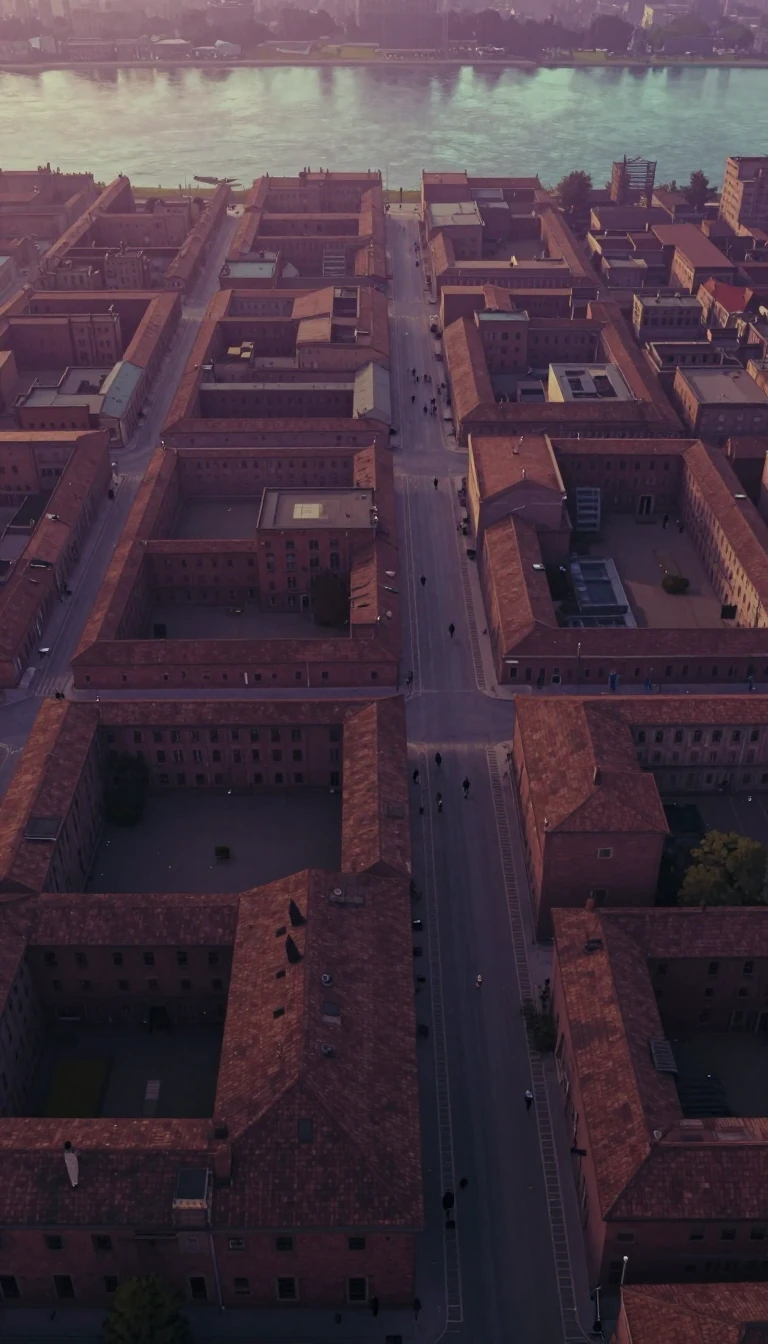
In short: Naypyidaw is an entirely planned capital, rising from a greenfield site to replace Yangon in 2005. Known as the abode of kings, this sprawling city features twenty-lane boulevards, colour-coded apartment blocks, and a military-grade infrastructure designed to withstand uprisings, yet it remains famously quiet and sparsely populated today.
Construction of Naypyidaw began in 2002 on a site near Pyinmana, roughly 320 kilometres north of the former capital, Yangon. The project, which cost an estimated US$4 billion, was driven by military leaders who sought a more central, secure location. By moving inland, the government aimed to establish an impregnable citadel capable of resisting foreign invasion or domestic unrest. Historians suggest this shift also mirrored a traditional return to the Dry Zone, the historic heartland of ancient Burmese royal capitals.
The city is defined by its rigid, zone-based organization. Government ministries are housed in identical buildings, while residential areas are strictly allotted based on rank and marital status. Apartment roofs are colour-coded by profession—green for agriculture, blue for health—and high-ranking officials reside in secluded mansions. Despite its massive scale, the city is characterized by vast, empty roads, including a famous twenty-lane boulevard, and limited public transport. Infrastructure projects, such as the National Herbal Park and the Zoological Gardens, were added to provide amenities, yet the city has struggled to attract a vibrant civilian population.
The city's development was marked by controversy, including reports of corruption, nepotism, and land grabs from local farmers. Furthermore, the city's stability was severely tested in March 2025 by a major earthquake that damaged 80% of government buildings, including the Presidential Palace and the national legislature. This disaster forced a reassessment of the city's layout and prompted some ministries to consider relocating back to Yangon. Today, Naypyidaw remains a unique, if stark, monument to administrative ambition, serving as the seat of government while maintaining a restricted, military-supervised environment that stands in sharp contrast to the bustling, crowded nature of Myanmar's older urban centers.
Opens the Intellect+ feed with this card first. Swipe up for the next one.
Sources
- Summary by Intellect · source: Naypyidaw
- Also: Wikidata — Naypyidaw · CC0
To cite this card, link to https://intellectplus.co.uk/app/places-naypyidaw.
How we source, check and correct cards: Editorial standards.
General information, not professional advice. Spotted an error? Flag the card or see corrections and complaints.
Intellect Plus is a visual educational discovery platform for exploring fascinating facts and ideas. Brain Food, Not Brain Rot. What is Intellect Plus?
Related
More in Capital cities · More in Countries & Cities · Latest · A–Z · All topics
