How did Rome move 800-tonne stones to build a temple in the mountains?
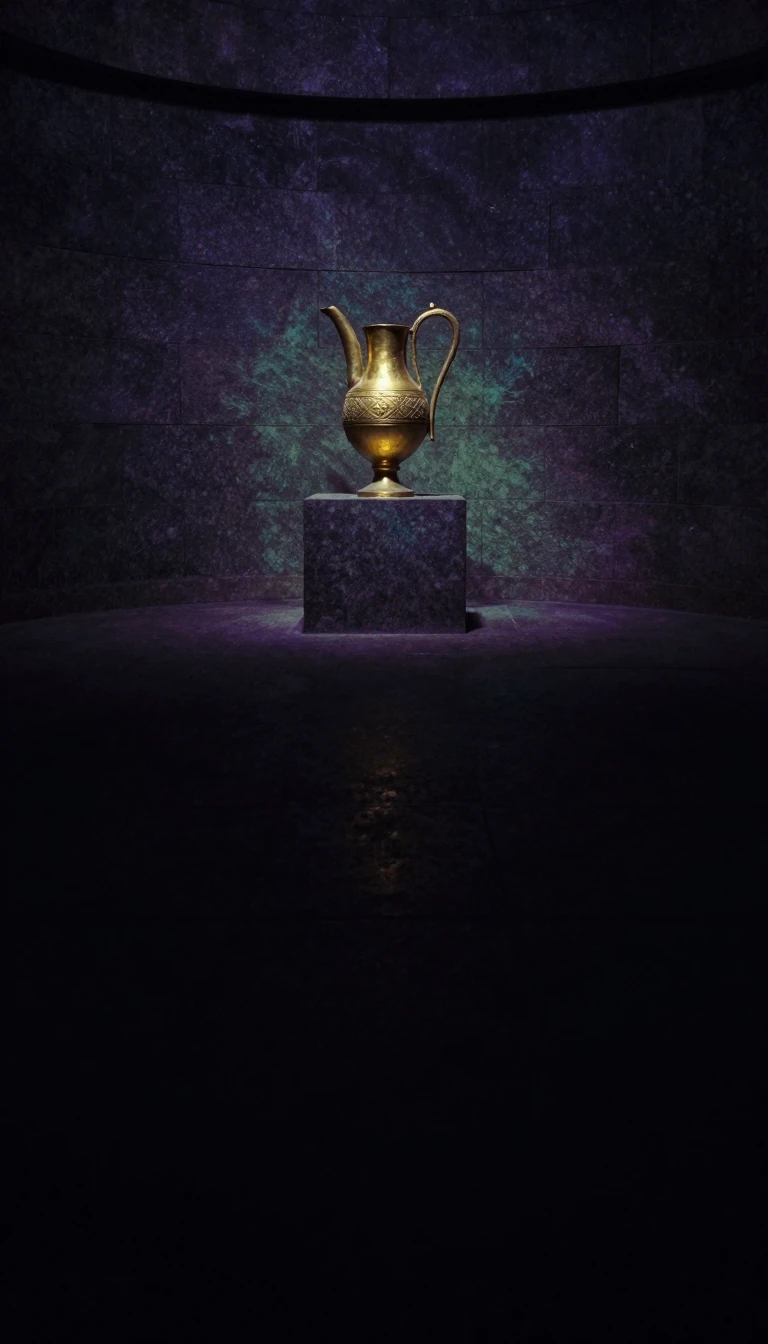
In short: Perched 1,145 meters high in Lebanon, the Temple of Jupiter remains an architectural enigma. Its foundation features the Trílithon, three limestone blocks weighing 800 tonnes each, raised 7 meters above ground. Despite centuries of study, the precise engineering methods used to transport and lift these colossal megaliths remain a mystery.
The Temple of Jupiter in Baalbek stands as a testament to Roman ambition, serving as the largest temple dedicated to Jupiter Optimus Maximus Heliopolitanus in the empire. Construction likely began around 16 BC, following the establishment of the Roman colony Colonia Julia Augusta Felix Heliopolitana, and was largely finished by AD 60. The complex was built on a raised platform, featuring a peristyle of 54 Corinthian columns that reached 19.9 meters in height—the tallest in the classical world.
The site's most baffling feature is its foundation, which incorporates roughly 24 massive monoliths, each weighing approximately 300 tonnes. The western retaining wall contains the famous Trílithon, three stones measuring over 19 meters long that weigh 800 tonnes apiece. Even more staggering is the nearby quarry, which holds the 'Stone of the Pregnant Woman' at 1,000 tonnes and another block weighing 1,200 tonnes. Because the quarry sat slightly higher than the temple complex, Roman engineers avoided the need to lift these stones vertically during transport, but the exact mechanism for placing them remains unknown.
Scholars have proposed several theories, including the use of temporary earthen banks for rolling stones into position, or the deployment of multiple cranes working in tandem to shift the blocks incrementally. While standard Roman cranes could not handle 60 to 100-tonne loads, it is possible that specialized machinery was constructed specifically for this project. The site's history is equally complex; it was pillaged for stone under Justinian, with eight columns famously relocated to Constantinople for the Hagia Sophia. Today, only six columns remain standing, their south-facing capitals nearly perfect while their northern faces have been eroded by harsh mountain winds.
Opens the Intellect+ feed with this card first. Swipe up for the next one.
Sources
- Summary by Intellect · source: Temple of Jupiter (Baalbek)
To cite this card, link to https://intellectplus.co.uk/app/places-temple-of-jupiter-baalbek.
How we source, check and correct cards: Editorial standards.
General information, not professional advice. Spotted an error? Flag the card or see corrections and complaints.
Intellect Plus is a visual educational discovery platform for exploring fascinating facts and ideas. Brain Food, Not Brain Rot. What is Intellect Plus?
Related
More in Archaeology · More in History · Latest · A–Z · All topics
