A church born from a 1596 treaty survived centuries of suppression and Soviet exile.
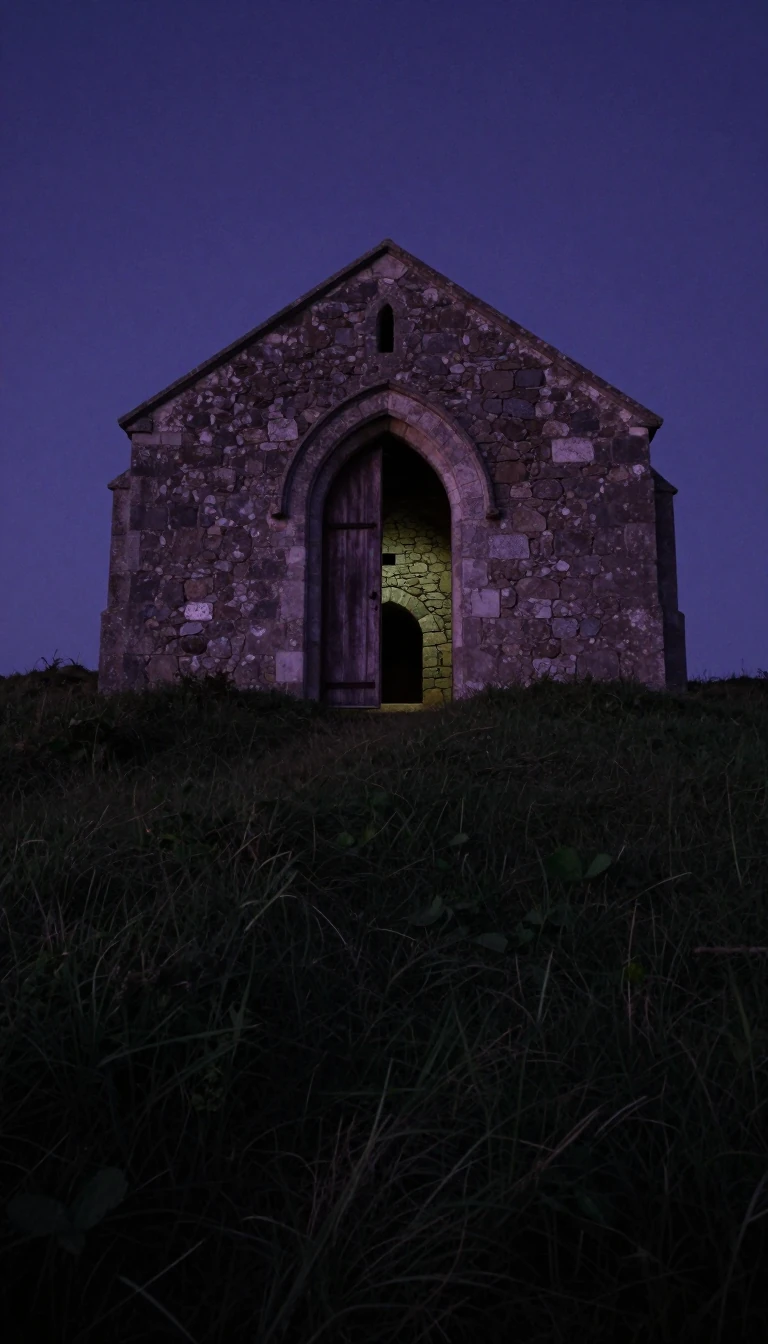
In short: The Ukrainian Greek Catholic Church is the largest Eastern Catholic body in communion with Rome. Its history is a turbulent saga of shifting empires, forced conversions, and underground resistance. From the Union of Brest to the collapse of the Soviet Union, this institution has navigated survival through profound geopolitical upheaval.
The roots of the church trace back to 988, when St. Vladimir established Byzantine Christianity in Kievan Rus'. Following the Great Schism of 1054, these lands remained aligned with Constantinople. However, the definitive shift toward Rome occurred in 1596 with the Union of Brest-Litovsk. Metropolitan Michael Ragoza and several bishops agreed to join the Roman communion, provided their traditional Byzantine rites remained intact. This union was far from universally accepted; it faced immediate opposition from Orthodox factions, including the Cossacks and the bishops of Lviv and Przemyśl.
The church's survival was dictated by the borders of empires. By the late 18th century, the partition of Poland placed most Ukrainian Catholics under Russian control, where the tsarist government forcibly returned them to Orthodoxy by 1839. Conversely, those in Galicia remained under the Austro-Hungarian Empire, which organized the metropolitanate of Lviv in 1807. This regional stability was shattered in 1939 when Soviet forces occupied Galicia. By 1946, authorities orchestrated a spurious synod to break the union with Rome, forcing the clergy into exile, prison camps in Siberia, or death.
For decades, the church operated in the shadows, its seminaries and rites driven underground. It was not until December 1989, amidst the liberalization of Soviet life, that the church regained legal status. Today, the institution maintains a global footprint, with metropolitanates in Canada and the United States, alongside exarchies in countries ranging from Australia to Brazil. This resilience reflects a long-standing commitment to maintaining a distinct identity, balancing its Byzantine heritage with its enduring, centuries-old bond with the Roman Catholic Church.
Opens the Intellect+ feed with this card first. Swipe up for the next one.
Sources
- Summary by Intellect · source: Ukrainian Greek Catholic Church | Description, History, & Facts | Britannica
- Also: Ukrainian Greek Catholic Church
To cite this card, link to https://intellectplus.co.uk/app/places-ukrainian-greek-catholic-church.
How we source, check and correct cards: Editorial standards.
General information, not professional advice. Spotted an error? Flag the card or see corrections and complaints.
Intellect Plus is a visual educational discovery platform for exploring fascinating facts and ideas. Brain Food, Not Brain Rot. What is Intellect Plus?
Related
More in Cities · More in Countries & Cities · Latest · A–Z · All topics
