Beyond the Hooligan Stereotype: The Complex World of Organized Football Ultras
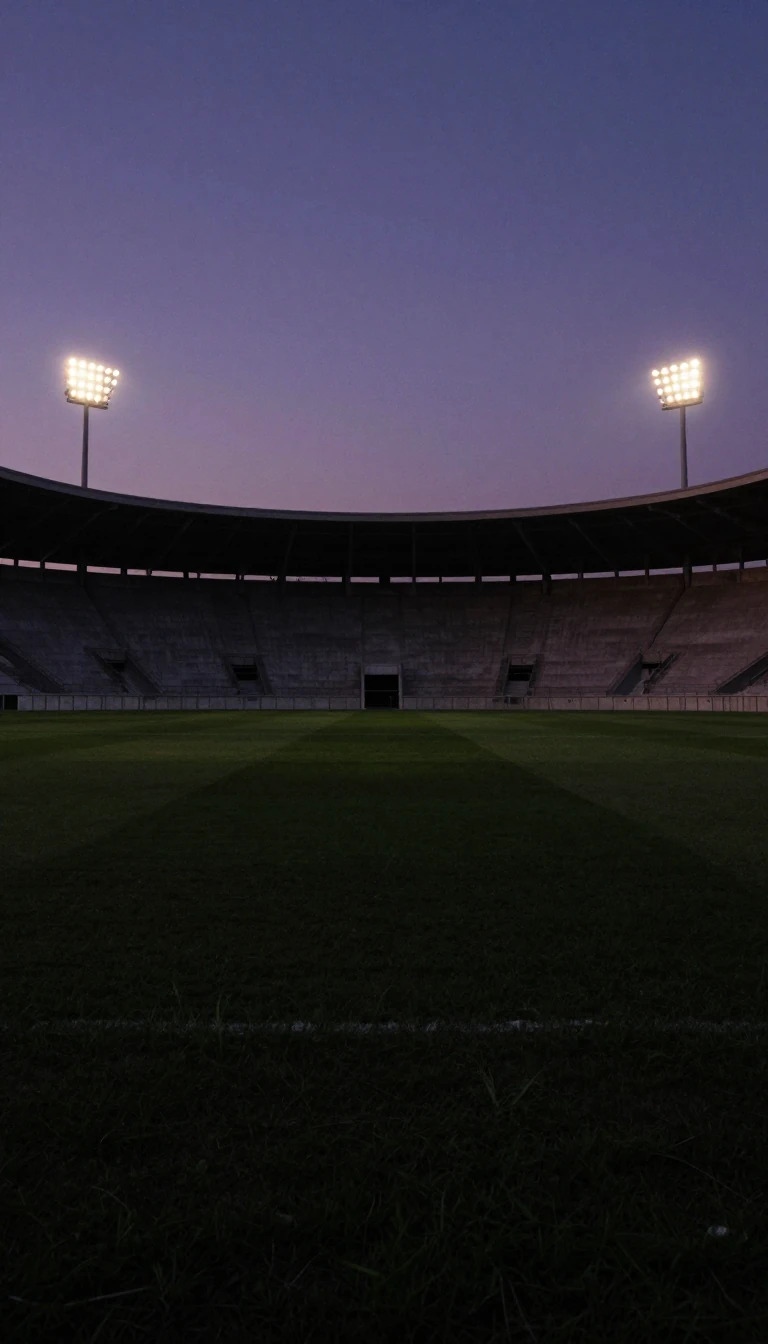
In short: Ultras are far more than just rowdy fans. While often associated with stadium violence and political extremism, these highly organized groups are the architects of the modern football atmosphere. From elaborate tifo choreography to community aid, they represent a powerful, often controversial, subculture that has reshaped the global game.
The origins of the ultras movement are debated, though Italy is widely considered its spiritual home. While fan groups existed as early as 1921 in Salerno, the distinct 'ultras' identity solidified in the 1960s and 1970s. These groups moved beyond passive spectating, introducing drums, massive flags, and complex choreographic displays designed to intimidate opponents and energize their own teams. By the 1980s and 1990s, this culture had spread across Europe and beyond, evolving from a niche subculture into a mainstream force in football.
Structurally, ultras operate with a high degree of organization, often led by executive cores that manage everything from stadium seating to merchandise sales. This centralization allows them to negotiate with club owners for resources like storage space and early stadium access. However, this power dynamic is frequently criticized, especially when groups are linked to political ideologies or criminal elements. While some groups are associated with far-right or neo-Nazi movements, others lean left, and many prioritize community support, such as providing food and aid during the COVID-19 pandemic.
The relationship between ultras and football authorities is often adversarial. In Germany, for instance, the rift between ultras and the DFB reached a breaking point in 2017, leading to nationwide protests and a temporary, uneasy dialogue. In the UK, the development of an ultras culture was delayed by strict anti-hooligan laws and the 1989 Taylor Report, which mandated all-seater stadiums. Despite these hurdles, the movement has persisted, with new groups forming across the globe, from the FAF Ultras in Armenia to the 1897 Group at Aston Villa, proving that the desire for organized, passionate fan identity remains a defining feature of the sport.
Opens the Intellect+ feed with this card first. Swipe up for the next one.
Sources
- Summary by Intellect · source: Ultras
To cite this card, link to https://intellectplus.co.uk/app/places-ultras.
How we source, check and correct cards: Editorial standards.
General information, not professional advice. Spotted an error? Flag the card or see corrections and complaints.
Intellect Plus is a visual educational discovery platform for exploring fascinating facts and ideas. Brain Food, Not Brain Rot. What is Intellect Plus?
Related
More in Cities · More in Countries & Cities · Latest · A–Z · All topics
