Is football hooliganism a product of poverty, or a calculated subcultural status game?
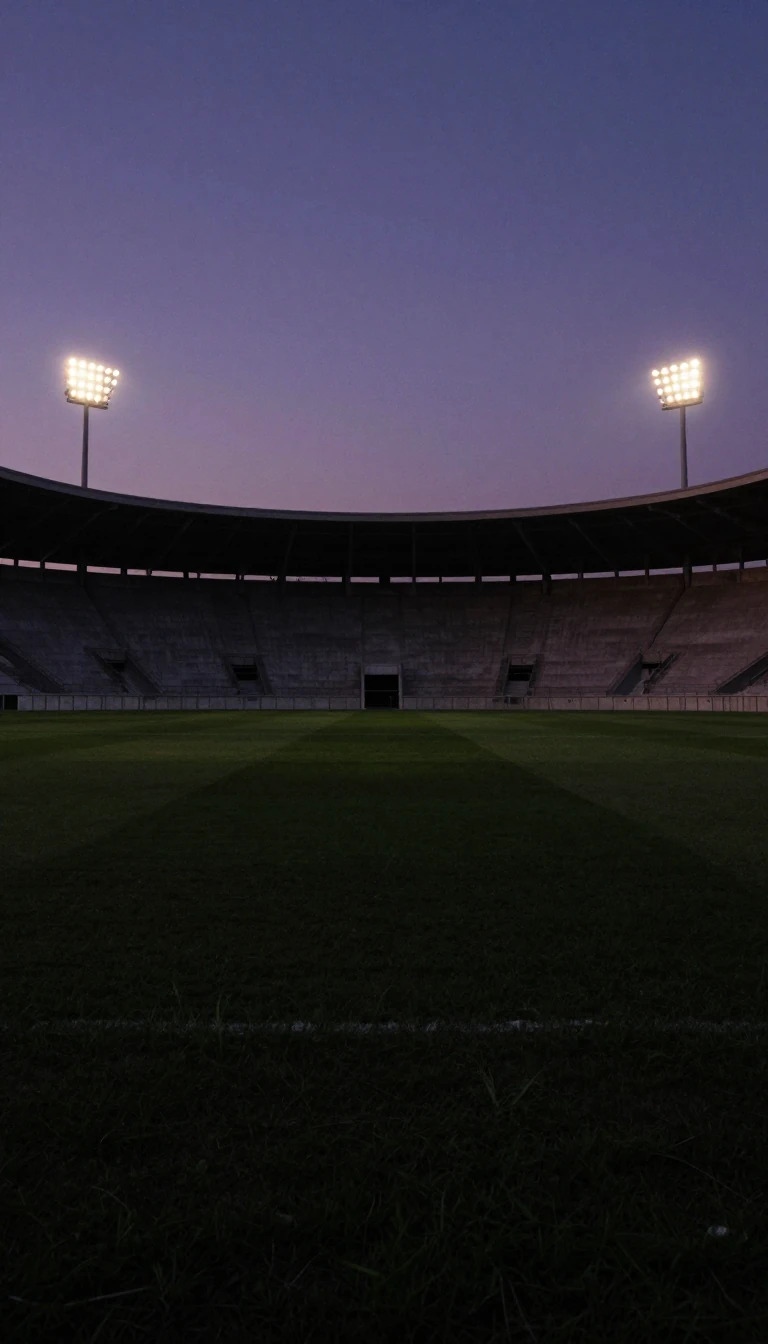
In short: While often blamed on alcohol or social deprivation, football hooliganism is frequently a deliberate, status-seeking subculture. From the razor gangs of early 20th-century Glasgow to modern international firms, the violence is rarely just about the match. Instead, it is a complex, context-dependent phenomenon rooted in politics, geography, and social identity.
The roots of modern football hooliganism are often traced to Scotland, where religious sectarianism fueled violent clashes between Rangers and Celtic supporters as early as the interwar period. However, the phenomenon gained global notoriety in the 1960s, particularly with English fans. By the mid-1980s, the violence reached a tragic nadir at the 1985 European Cup final in Brussels. During this match between Liverpool and Juventus, a stadium wall collapsed as fans fled a charge, resulting in 39 deaths and over 400 injuries. This disaster led to a five-year ban on English clubs from European competition, yet by then, the behavior had already taken hold across the continent.
Contrary to the assumption that hooligans are society’s poorest, research in Britain indicates that participants often hail from more affluent working-class or lower middle-class backgrounds. In northern Europe, the violence has evolved into a distinct subculture where self-identifying hooligans spend weeks tracking rivals to engage in combat, earning status within their networks. In contrast, southern European and Latin American violence is frequently tied to deeper cultural rivalries, local politics, and, in some cases, the repressive methods of state control. In Argentina, for instance, economic decline and political instability have been cited as drivers for the upsurge in violence that forced courts to briefly suspend matches in 1999.
Authorities have attempted to curb these trends through various interventions, such as all-seated stadiums and family-only stands in England, or the collaborative fan projects seen in Germany and Sweden. Yet, the challenge remains multifaceted. While some critics argue that modern security measures have sanitized the game, the most severe threats to spectator safety often stem from poor crowd management and unsafe infrastructure rather than direct fighting. Tragedies like the 1989 Hillsborough disaster or the 2001 stampede in Ghana highlight that the most dangerous elements of football are often systemic, involving inadequate facilities and volatile crowd-control techniques that can turn a match into a site of mass casualty.
Opens the Intellect+ feed with this card first. Swipe up for the next one.
Sources
- Summary by Intellect · source: Football - Spectator Safety, Hooliganism, Fan Culture | Britannica
- Also: Football hooliganism
To cite this card, link to https://intellectplus.co.uk/app/society-football-hooliganism.
How we source, check and correct cards: Editorial standards.
General information, not professional advice. Spotted an error? Flag the card or see corrections and complaints.
Intellect Plus is a visual educational discovery platform for exploring fascinating facts and ideas. Brain Food, Not Brain Rot. What is Intellect Plus?
Related
More in Law · More in Society · Latest · A–Z · All topics
