Sweden’s Vättern is a deep, tectonic marvel that provides pure drinking water to thousands.
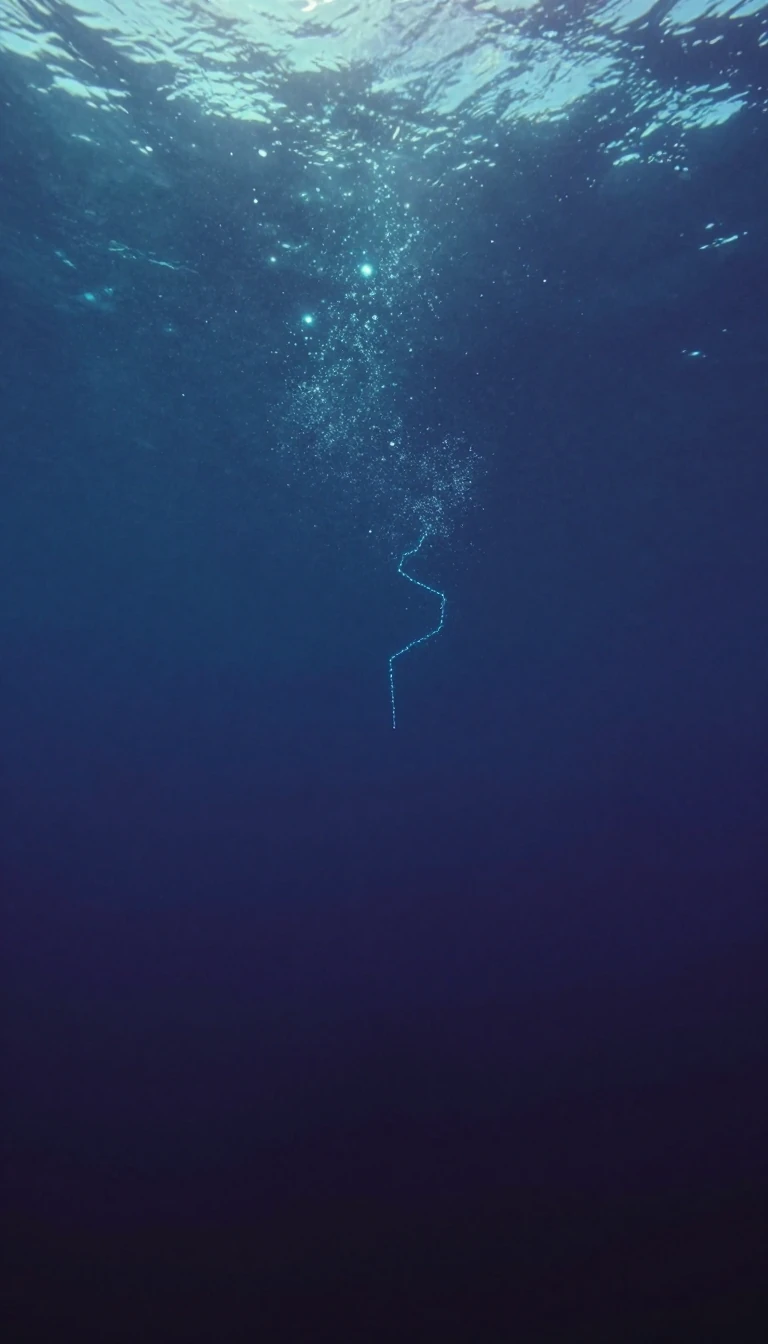
In short: Vättern is the second-largest lake in Sweden and arguably the world’s largest source of potable water. This finger-shaped basin, formed by ancient tectonic forces rather than glacial erosion, is so pristine that residents can safely drink directly from its depths. It is a place of both immense beauty and historical mystery.
Unlike many smaller Swedish lakes carved by glacial activity over the last 2.5 million years, Vättern originated as a graben—a depressed block of the Earth's crust—roughly 700 to 800 million years ago. Its basin is partially lined with Neoproterozoic sedimentary rocks, including sandstone and carbonates, which predate the lake's formation. Today, the lake remains a dynamic geological feature, experiencing a subtle southward tilt of one millimeter annually due to post-glacial rebound.
The lake's ecological health is exceptional, with water quality so high that surrounding municipalities draw their drinking supply directly from the basin with minimal treatment. This purity is protected by strict environmental management, including the processing of all sewage from nearby towns. The lake supports a diverse range of life, from phytoplankton and zooplankton to iconic species like the Arctic char, which shares genetic markers with populations in Russia's Lake Ladoga.
Beyond its scientific and environmental significance, Vättern is deeply woven into Swedish culture and lore. It has inspired writers like Thomas Nashe, who in 1594 described it as a bottomless, treacherous expanse, and Samuel Johnson, who referenced it in his essays. The lake has also seen tragedy, most notably the 1918 sinking of the steamer Per Brahe, which claimed the lives of artist John Bauer and his family. Today, the lake serves as a hub for recreation, hosting the annual Vätternrundan cycling race, which draws thousands of participants to its 642-kilometer perimeter.
The region surrounding the lake is a blend of industrial and agricultural activity, with forests covering over 60% of the drainage basin. While the lake is a vital economic resource for mining, forestry, and commercial fishing, it remains a site of wonder. Whether viewed through the lens of its ancient tectonic origins or its modern role as a pristine water source, Vättern stands as a unique, enduring landmark in the heart of Scandinavia.
Opens the Intellect+ feed with this card first. Swipe up for the next one.
Sources
- Summary by Intellect · source: Vättern
- Also: Wikidata — Vättern · CC0
- Also: Wikidata — Vättern · CC0
To cite this card, link to https://intellectplus.co.uk/app/places-v-ttern.
How we source, check and correct cards: Editorial standards.
General information, not professional advice. Spotted an error? Flag the card or see corrections and complaints.
Intellect Plus is a visual educational discovery platform for exploring fascinating facts and ideas. Brain Food, Not Brain Rot. What is Intellect Plus?
Related
More in Bodies of water · More in Countries & Cities · Latest · A–Z · All topics
