Vanua Levu: The Pacific island that once moved its entire population to mountaintops.
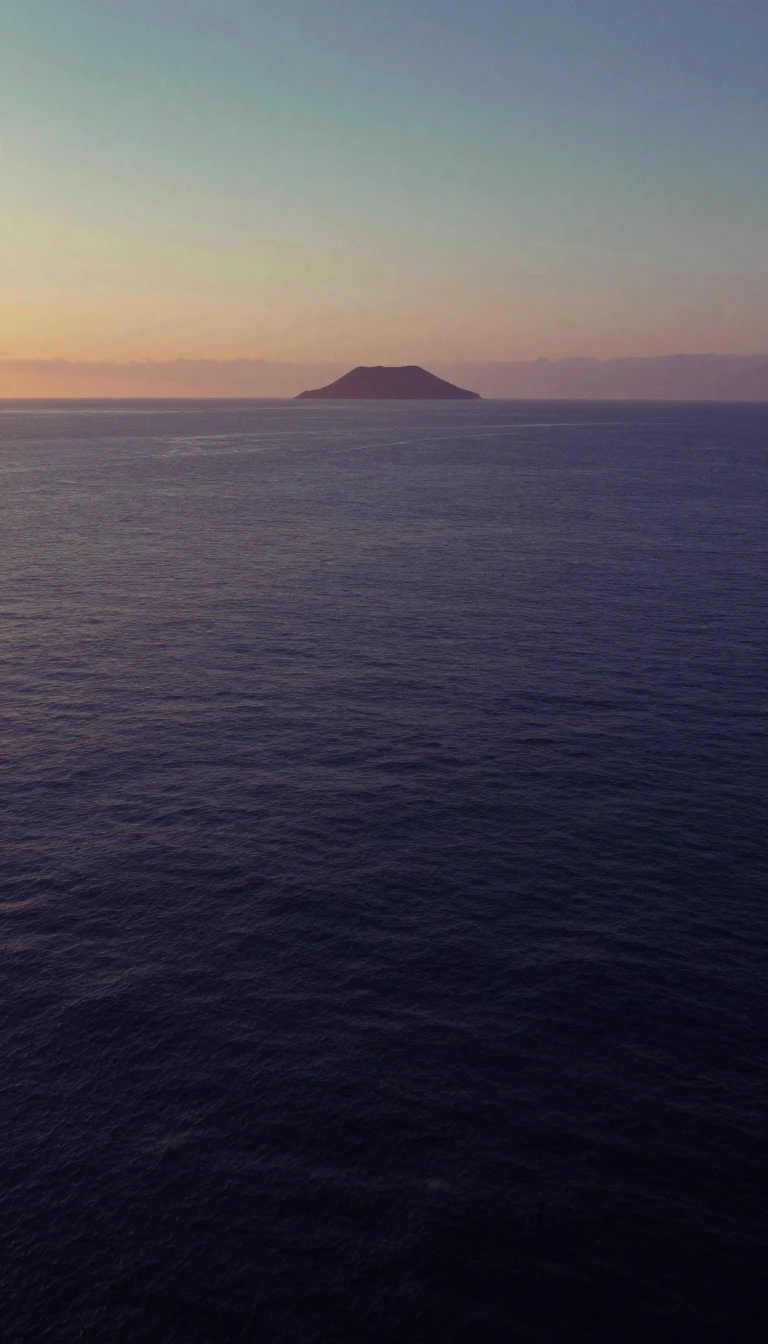
In short: Known as the Big Land, this rugged Fijian island has a history defined by dramatic climate shifts and survival. From ancient sea-level drops that forced villagers into fortified mountain retreats to modern negotiations for climate-refugee resettlement, Vanua Levu remains a resilient, complex landscape shaped by both geology and human necessity.
Vanua Levu, the second-largest island in Fiji, is a tectonically active landmass situated between the Australian and Pacific plates. Its geography is defined by a rugged mountain range that splits the island, creating a distinct climatic divide. The southern, windward side is lush and wet, while the northern region experiences a dry climate for eight months of the year, providing the ideal conditions for the island's primary industry: sugar cane production. This northern area is home to Labasa, a major town established by Indian settlers that serves as a hub for the sugar industry.
The island's human history is deeply tied to environmental volatility. Archaeological evidence suggests that initial settlers arrived about 3,100 years ago, building homes on stilts above the reefs. However, between 1250 and 1350, a 30-centimetre drop in Pacific sea levels exposed the reefs and depleted food sources while simultaneously lowering the water table. This ecological crisis triggered widespread conflict, forcing the population to abandon coastal settlements for fortified villages on mountain peaks. These defensive sites remained in use until approximately 1870, with the last signs of warfare appearing around 1860.
In more recent history, the island has faced both economic booms and natural disasters. During the 1860s, settlers from Australia and New Zealand established coconut plantations, creating a prosperous mixed-race elite that thrived on copra production until the Great Depression of the 1930s caused prices to collapse. Today, the island continues to navigate global challenges. In 2012, the nation of Kiribati began negotiations to purchase 5,000 acres of land on Vanua Levu to relocate its population, who face the threat of rising sea levels. Meanwhile, the island remains vulnerable to extreme weather; in December 2020, Cyclone Yasa caused significant destruction, forcing the evacuation of 24,000 residents and resulting in at least four deaths.
Opens the Intellect+ feed with this card first. Swipe up for the next one.
Sources
- Summary by Intellect · source: Vanua Levu
- Also: Wikidata — Vanua Levu · CC0
- Also: Wikidata — Vanua Levu · CC0
To cite this card, link to https://intellectplus.co.uk/app/places-vanua-levu.
How we source, check and correct cards: Editorial standards.
General information, not professional advice. Spotted an error? Flag the card or see corrections and complaints.
Intellect Plus is a visual educational discovery platform for exploring fascinating facts and ideas. Brain Food, Not Brain Rot. What is Intellect Plus?
Related
More in Islands · More in Countries & Cities · Latest · A–Z · All topics
