How a Mongol invasion transformed a quiet agricultural town into a center of art
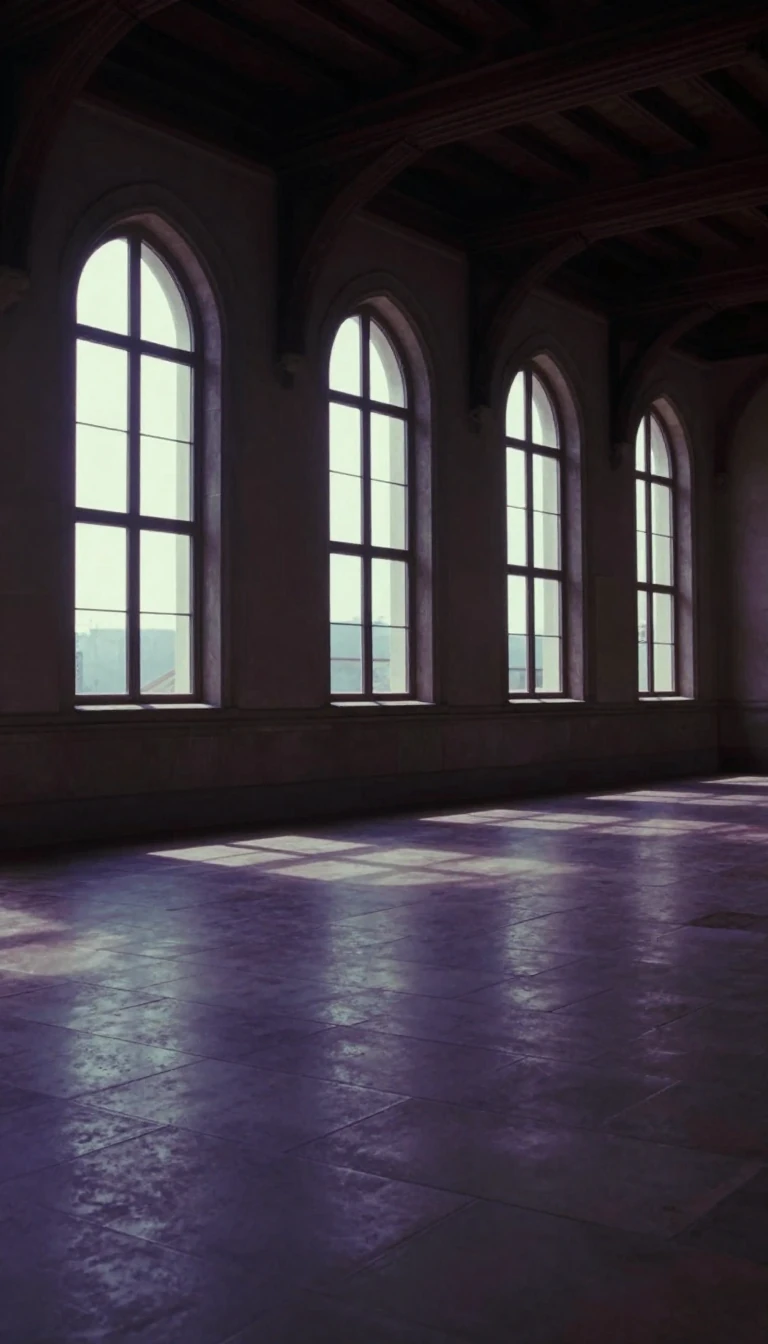
In short: Varamin began as a modest farming settlement near Ray, but the chaos of the Mongol conquests triggered an unexpected urban boom. As refugees flooded the region, the city transformed into a hub of Ilkhanid architecture, leaving behind a legacy of intricate tile-work and towering monuments that define its skyline today.
Before the 1220s, Varamin served primarily as an agricultural satellite to the city of Ray. The geopolitical landscape shifted dramatically when Mongol invaders raided Ray, forcing a massive migration that spurred rapid economic and urban development in Varamin. Under the Ilkhanid dynasty, the city flourished, becoming a repository for some of the most significant architectural achievements of the era. This period of prosperity saw the construction of the Jameh Mosque, a landmark whose building process spanned the reigns of Öljaitü and his successor, reaching completion in 1322.
The city’s architectural heritage is defined by its Ilkhanid-era structures, which include the 1289 cylindrical tomb with a conic dome and the 1307 mausoleum of a descendant of Muhammad, celebrated for its exquisite tile-work. While these monuments endure, others—such as the Razaviyeh madrasah and the local citadel—have vanished from the landscape. By the turn of the 14th century, the city began to wane following invasions by the Timurid Empire. By 1405, traveler Ruy González de Clavijo described the area as largely deserted, marking a sharp contrast to its earlier golden age.
Varamin’s identity evolved again in the 20th century as it became a pioneer in industrialization. It hosted Iran’s first sugar refinery, constructed between 1934 and 1935 by architect Nikolai Markov, followed by the nation’s first vegetable oil factory in 1938–1939. Beyond its industrial history, the city remains globally renowned for its carpets. Often cited by experts as exemplars of pure Persian craftsmanship, these rugs are produced by tribal communities and are distinguished by their geometric patterns and repeated medallions, particularly on runners. Today, the city serves as a modern administrative center, balancing its deep historical roots with the demands of a growing population.
Opens the Intellect+ feed with this card first. Swipe up for the next one.
Sources
- Summary by Intellect · source: Varamin
- Also: Wikidata — Varamin · CC0
To cite this card, link to https://intellectplus.co.uk/app/places-varamin.
How we source, check and correct cards: Editorial standards.
General information, not professional advice. Spotted an error? Flag the card or see corrections and complaints.
Intellect Plus is a visual educational discovery platform for exploring fascinating facts and ideas. Brain Food, Not Brain Rot. What is Intellect Plus?
Related
More in History · Latest · A–Z · All topics
