A people's palace built to defy colonial architectural dominance
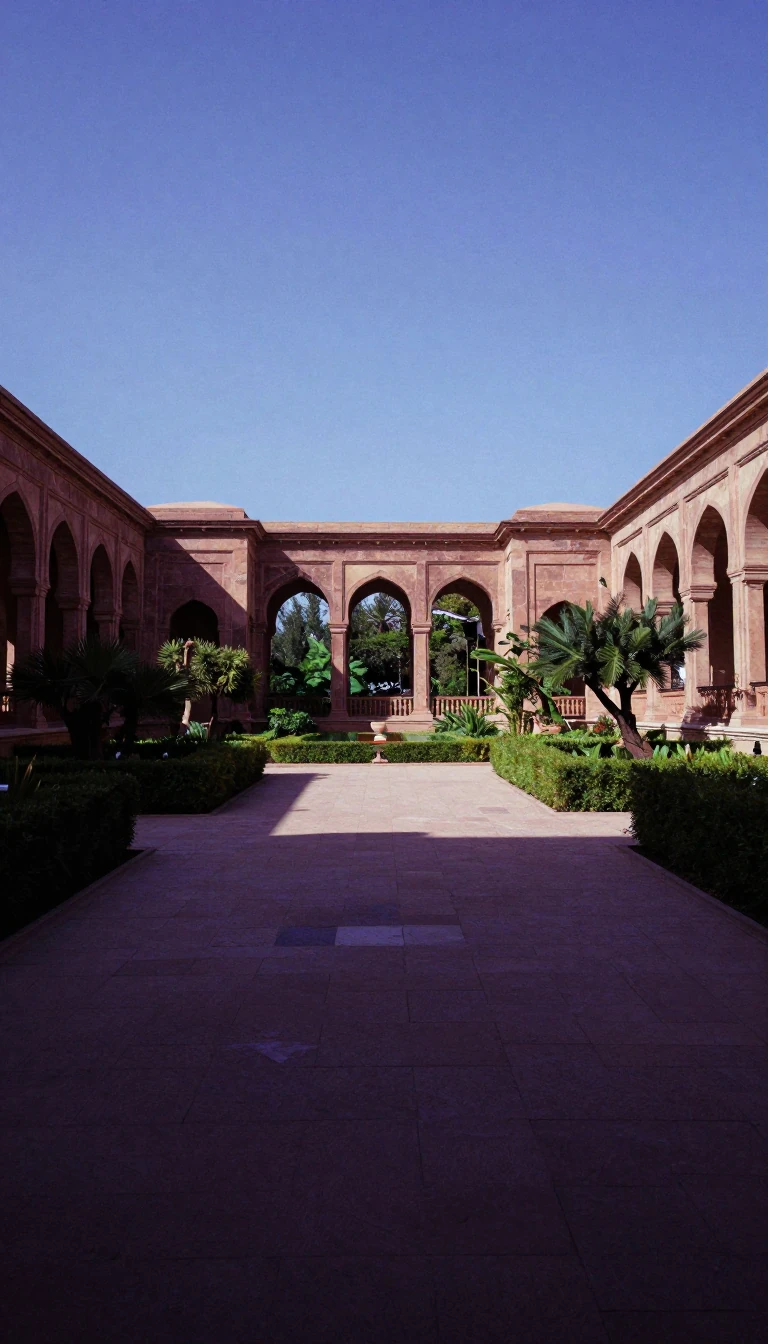
In short: In the 1950s, Indian leaders sought a building that would signal democratic power without mimicking British styles. They chose a Neo-Dravidian design for Karnataka’s Vidhana Soudha—a massive granite structure intended to serve as a temple for the nation rather than a monument to royalty.
The architectural identity of Vidhana Soudha was born from a conscious rejection of colonial aesthetics. After India's independence, Chief Minister Kengal Hanumanthaiah advocated for an indigenous style because he viewed existing British-built structures as symbols of colonial authority. This shift was influenced by international observation; in 1954, Soviet diplomats questioned the city's heavy European architectural influence. Furthermore, a desire to counter historical insults regarding Indian dignity led the government to favor Dravidian styles over Western models. Completed in 1956, the building is a complex synthesis of regional traditions. It blends Neo-Dravidian and Indo-Saracenic styles, incorporating pillars inspired by the Mysore Palace, temple columns from Bhoganandishwara Temple, and Rajasthani Jharokhas. The structure was built primarily using granite from Magadi and Turuvekere, with interior features utilizing teakwood, sandalwood, and betel wood. The Lion Capital of Ashoka, representing national unity, sits atop its main dome. The project faced significant scrutiny regarding its cost. While initial estimates for a two-story plan were roughly ₹33 lakh, the final redesigned building cost ₹1.8 crore. To manage this, the Public Works Department executed the work without private contractors, employing over 5,000 workers—including 1,500 specialized masons and carvers. Today, it stands as India's largest state legislature building, spread over 60 acres, housing a symbolic 'people's palace' that houses both the Legislative Assembly and Council.
between paragraphs in the JSON structure but standard practice is newlines or just strings. I will provide them as distinct paragraphs within one string block if needed, but usually, it's a single string with line breaks.
Opens the Intellect+ feed with this card first. Swipe up for the next one.
Sources
- Summary by Intellect · source: Vidhana Soudha
- Also: Wikidata — Vidhana Soudha · CC0
- Also: Wikidata — Dr. B. R. Ambedkar metro station, Vidhana Soudha · CC0
To cite this card, link to https://intellectplus.co.uk/app/places-vidhana-soudha.
How we source, check and correct cards: Editorial standards.
General information, not professional advice. Spotted an error? Flag the card or see corrections and complaints.
Intellect Plus is a visual educational discovery platform for exploring fascinating facts and ideas. Brain Food, Not Brain Rot. What is Intellect Plus?
Related
More in Historical cities, towns and archaeological sites · More in Countries & Cities · Latest · A–Z · All topics
