Vitebsk: A Belarusian Crossroads Shaped by Centuries of Trade, Conflict, and Cultural Resilience
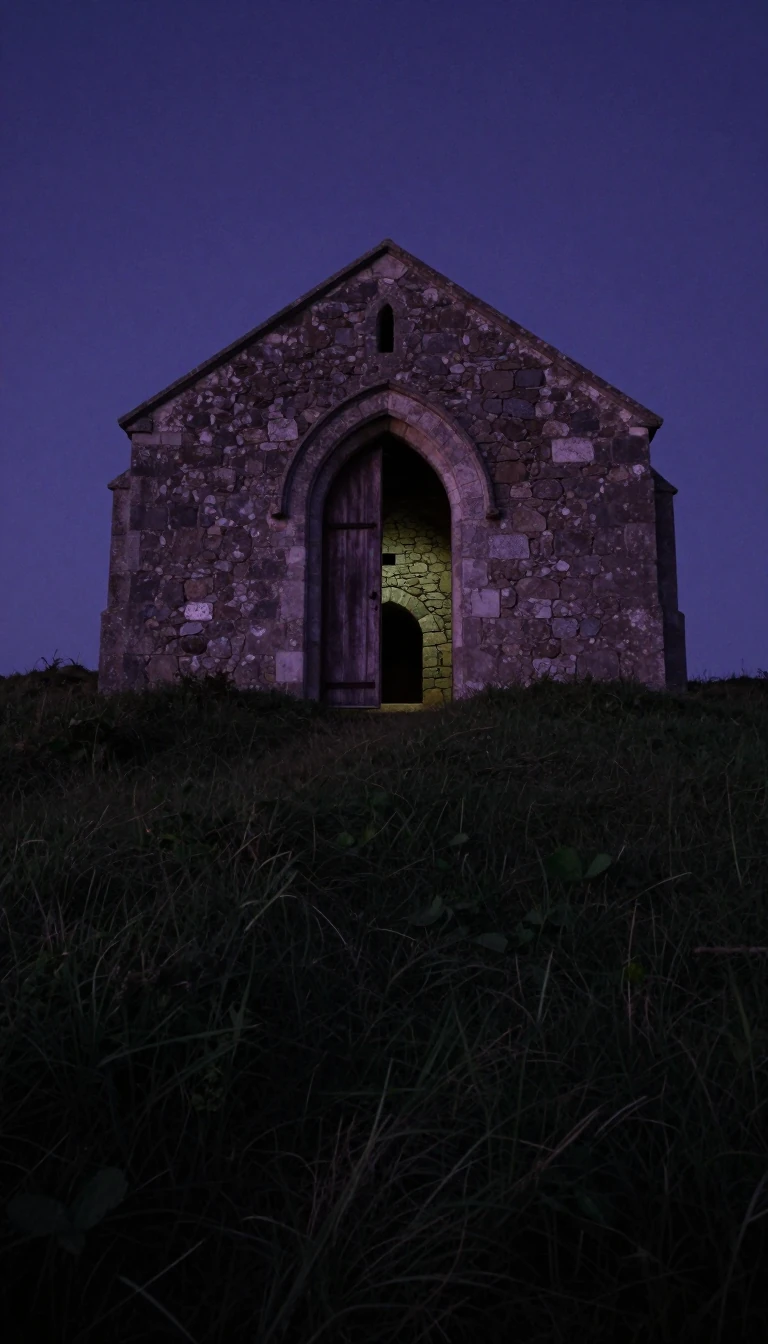
In short: Situated at the confluence of the Vitba and Western Dvina rivers, Vitebsk has evolved from a medieval trade hub into a resilient cultural center. Despite enduring repeated destruction by fire and war, the city remains a testament to historical endurance, famously serving as the birthplace of painter Marc Chagall.
Founded at a strategic river harbor, Vitebsk emerged as a vital node on the trade route connecting the Varangians to the Greeks. While legends attribute its origin to Princess Olga of Kiev in the 10th century, historical records first mention the city in 1021. Throughout the 12th and 13th centuries, it thrived as the capital of an independent principality, eventually becoming part of the Grand Duchy of Lithuania in 1320. Its location at the intersection of Baltic and Black Sea river routes made it both a prosperous commercial center and a frequent target for regional powers.
The city’s architectural landscape reflects its turbulent history. Once protected by three distinct castles, Vitebsk suffered catastrophic damage from fires and conflicts, including the Russo-Polish War and the Great Northern War. Its oldest structure, the Annunciation Church, originated in the 1140s as a site for pagan rituals before being repurposed as a Roman Catholic church and later destroyed by Soviet authorities in 1961. It was eventually reconstructed in 1992 to mirror its presumed early appearance, symbolizing the city's ongoing efforts to reclaim its heritage.
Vitebsk’s identity is deeply intertwined with its diverse cultural and intellectual legacy. By the late 19th century, over half of its population was Jewish, fostering a rich environment that produced figures like Marc Chagall. The 20th century brought further upheaval, including Nazi occupation during World War II, which saw the destruction of much of the old city and the tragic loss of its Jewish community. Today, the city honors its past through the annual Slavianski Bazaar music festival and the preservation of historic sites, maintaining its status as a significant administrative and cultural hub in modern Belarus.
Opens the Intellect+ feed with this card first. Swipe up for the next one.
Sources
- Summary by Intellect · source: Vitebsk
- Also: Wikidata — Vitebsk · CC0
To cite this card, link to https://intellectplus.co.uk/app/places-vitebsk.
How we source, check and correct cards: Editorial standards.
General information, not professional advice. Spotted an error? Flag the card or see corrections and complaints.
Intellect Plus is a visual educational discovery platform for exploring fascinating facts and ideas. Brain Food, Not Brain Rot. What is Intellect Plus?
Related
More in Europe and Russia · More in Countries & Cities · Latest · A–Z · All topics
