Mogilev: A Belarusian city shaped by trade, war, and the shadow of history.
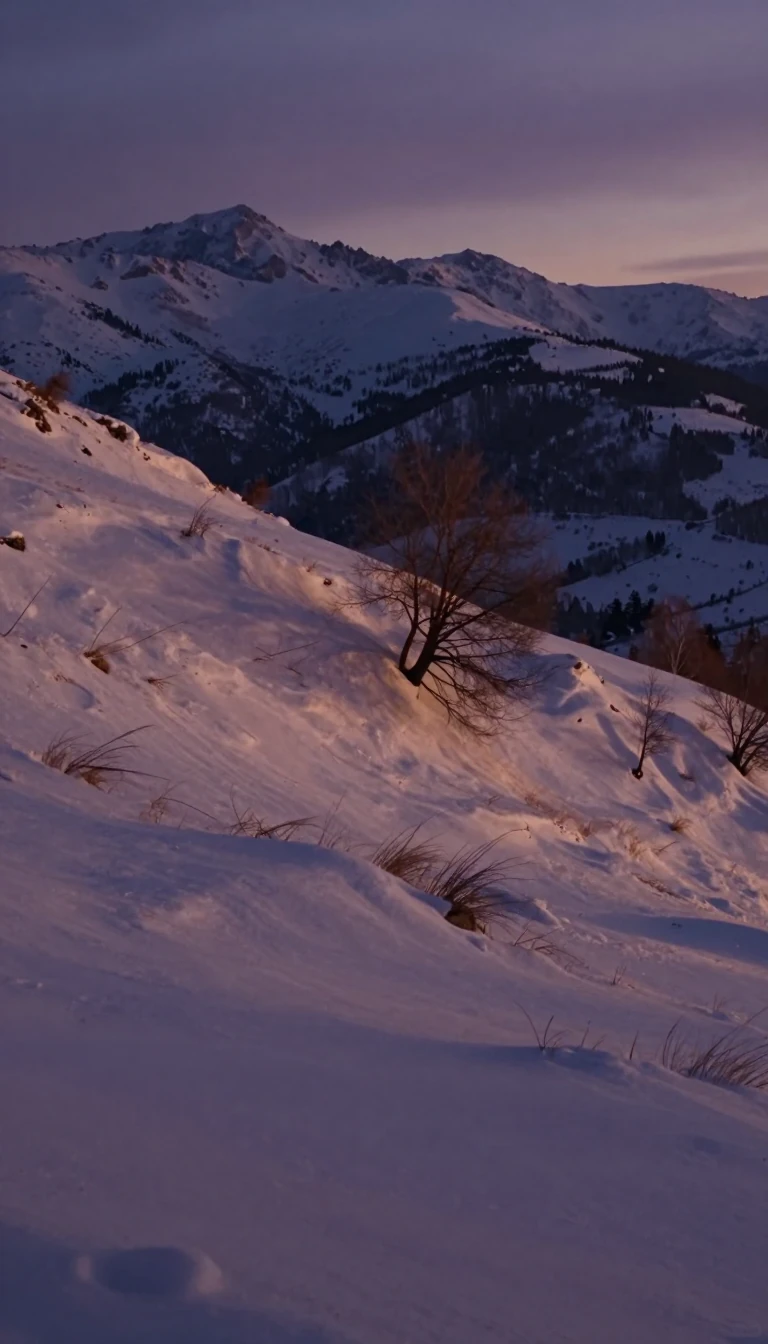
In short: Perched on the Dnieper River, Mogilev has evolved from a medieval fortress into a major industrial hub. Its history is a complex tapestry of trade prosperity, shifting imperial borders, and the dark legacy of the Holocaust, leaving behind a city that remains a cornerstone of modern Belarus today.
First appearing in historical records in 1267, Mogilev’s strategic position on the Dnieper River made it a vital node for trade routes by the 16th century. Throughout its history, the city has been caught in the crossfire of regional powers, passing through the control of the Grand Duchy of Lithuania, the Polish–Lithuanian Commonwealth, and eventually the Russian Empire following the First Partition of Poland in 1772. Its identity is deeply tied to these transitions, including a brief period during World War I when it served as the headquarters for the Russian Imperial Army, hosting Tsar Nicholas II.
The 20th century brought profound upheaval. In 1938, Soviet authorities planned to relocate the capital of Soviet Belarus to Mogilev, leading to the construction of a massive government building that still stands. However, the city’s most tragic chapter unfolded during World War II. After German forces conquered the city in July 1941, it became a site of systematic atrocities. The Jewish population, which had comprised over 50 percent of the city in 1897, was ghettoized and murdered. Notably, the city became a testing ground for Nazi extermination methods, including the use of car exhaust fumes to kill mentally disabled patients—a technique later exported to death camps.
Following its liberation by the Red Army in 1944, Mogilev underwent a radical transformation into a Soviet industrial powerhouse. Massive steel mills, chemical plants, and factories for cranes and tractors were established, cementing its role as a key economic centre. Today, the city balances this industrial heritage with its historical roots, represented by landmarks like the 1668 St. Nicholas Cathedral. As the third-largest city in Belarus, Mogilev continues to serve as a vital administrative and cultural hub, reflecting the resilience and complex evolution of the region over nearly eight centuries of recorded history.
Opens the Intellect+ feed with this card first. Swipe up for the next one.
Sources
- Summary by Intellect · source: Mogilev
To cite this card, link to https://intellectplus.co.uk/app/places-mogilev.
How we source, check and correct cards: Editorial standards.
General information, not professional advice. Spotted an error? Flag the card or see corrections and complaints.
Intellect Plus is a visual educational discovery platform for exploring fascinating facts and ideas. Brain Food, Not Brain Rot. What is Intellect Plus?
Related
More in Europe and Russia · More in Countries & Cities · Latest · A–Z · All topics
