Why this quiet Japanese prefecture is a global leader in aging and agriculture
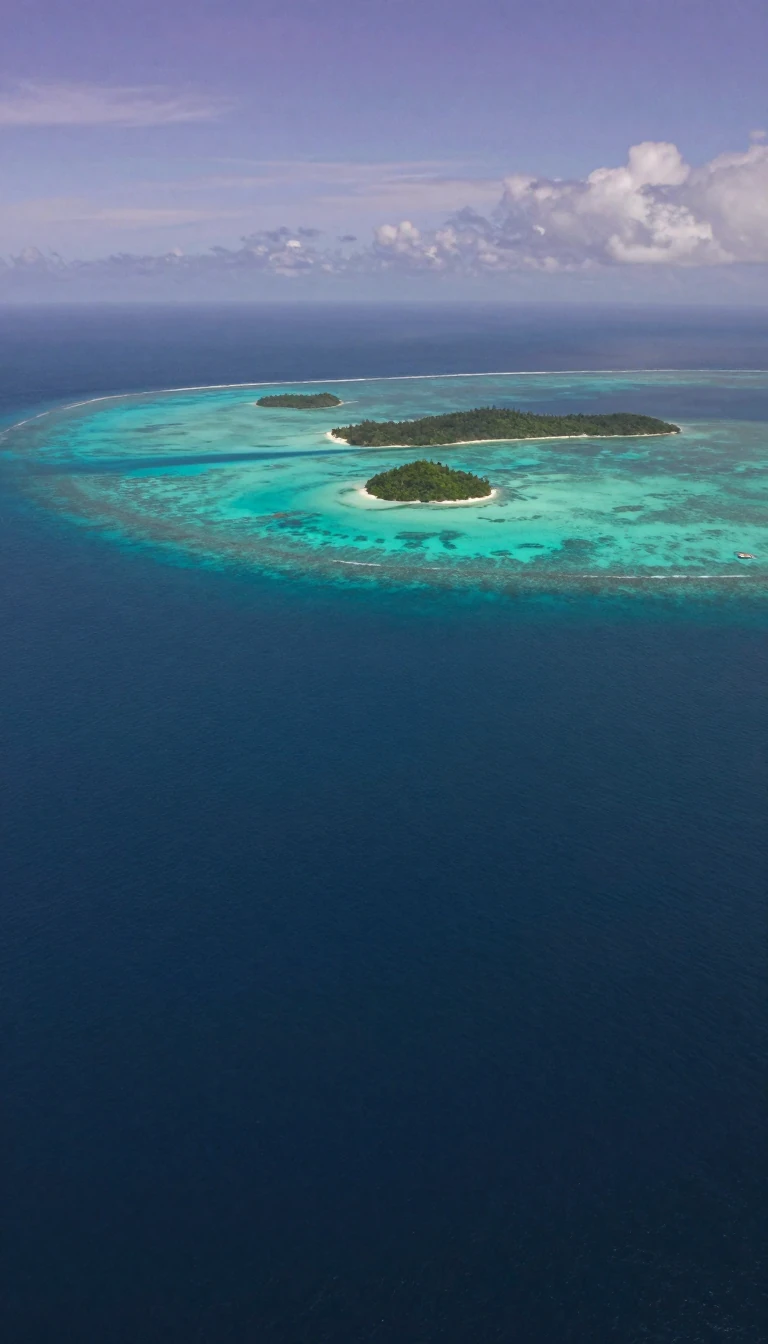
In short: Wakayama Prefecture, located on the Kii Peninsula, is a land of contradictions. It holds the highest percentage of elderly residents in Japan, yet remains a powerhouse of agricultural production. From ancient Buddhist pilgrimage routes to modern citrus farming, this region balances deep historical roots with contemporary demographic challenges.
Wakayama Prefecture, situated in the Kansai region of Honshu, occupies the southwestern coast of the Kii Peninsula. Historically representing the western portion of Kii Province, the region is defined by its rugged geography, including the sacred Mount Kōya—the headquarters of the Shingon sect of Buddhism—and extensive UNESCO World Heritage pilgrimage routes. Despite its cultural richness, the prefecture faces significant demographic headwinds. Since 1996, the population has been in steady decline, and by 2010, it became the only prefecture in the Kansai region with fewer than 1,000,000 residents. By the 2020 census, nearly 32 percent of its population was over the age of 65, marking the highest such proportion in Japan and one of the highest globally.
The prefecture’s economy remains deeply tied to its land. Wakayama is the top producer of oranges in Japan, with the Arida District alone contributing about 10 percent of the nation's total domestic output. This tradition of citrus cultivation in Arida spans over 400 years. Beyond fruit, the region is a dominant force in the production of ume, or Chinese flowering plum, accounting for approximately 70 percent of Japan's domestic supply as of 2016. These agricultural achievements persist despite the prefecture's vulnerability to natural disasters; a catastrophic rain event in July 1953 resulted in widespread destruction and the loss of 1,015 lives.
Today, the prefecture is governed by Shūhei Kishimoto, who assumed office in November 2022. While the region maintains its own identity through natural parks and thermal springs like Nanki-Shirahama Onsen, it remains integrated into the broader Kansai economy. Residents frequently utilize the nearby Kansai International Airport in Osaka Prefecture for travel. As it navigates the complexities of a shrinking, aging society, Wakayama continues to leverage its unique heritage and agricultural specialization to maintain its place within the Japanese landscape.
Opens the Intellect+ feed with this card first. Swipe up for the next one.
Sources
- Summary by Intellect · source: Wakayama Prefecture
- Also: Wikidata — Wakayama Prefecture · CC0
- Also: Wikidata — flag of Wakayama prefecture · CC0
To cite this card, link to https://intellectplus.co.uk/app/places-wakayama-prefecture.
How we source, check and correct cards: Editorial standards.
General information, not professional advice. Spotted an error? Flag the card or see corrections and complaints.
Intellect Plus is a visual educational discovery platform for exploring fascinating facts and ideas. Brain Food, Not Brain Rot. What is Intellect Plus?
Related
More in Regions and country subdivisions · More in Countries & Cities · Latest · A–Z · All topics
