The Mughal masterpiece that blended imperial power with local Punjabi art
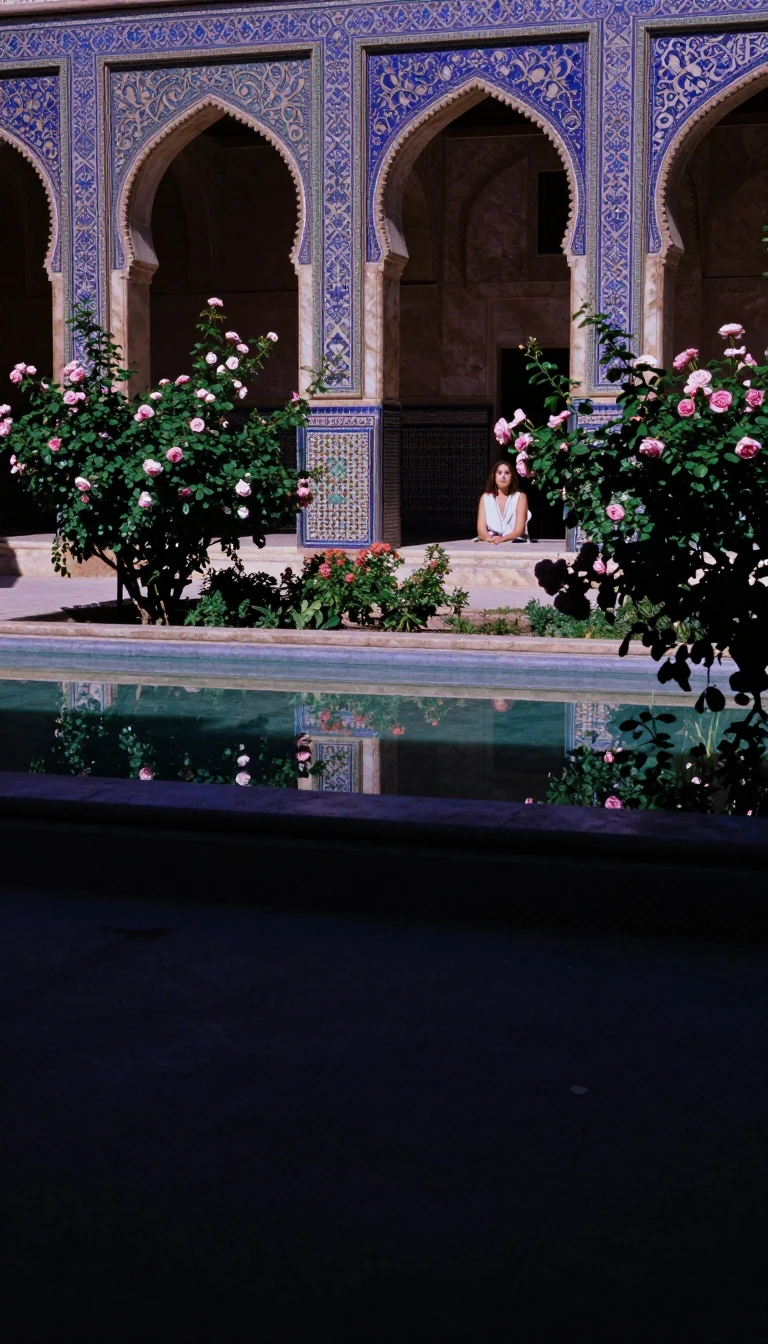
In short: Wazir Khan Mosque is often cited as the most ornately decorated Mughal-era mosque ever built. While it served as a spiritual hub, its architecture functioned as a sophisticated synthesis of styles—merging Persian geometry and imperial Mughal aesthetics with vibrant local Punjabi tile-work and frescoes.
Commissioned in 1634 by Wazir Khan, the royal physician and Viceroy of Punjab, the mosque was designed to enclose the tomb of the Sufi saint Miran Badshah. While the identity of its chief architect remains unknown, Wazir Khan notably employed master artisans from Chiniot, a region famous for wood carving and stonework. The construction took approximately seven years, concluding in 1641 during the reign of Emperor Shah Jahan.
The mosque is celebrated for its 'kashi-kari'—intricate Punjabi tile-mosaic featuring Persian colors like cobalt blue (lajvard) and cerulean (firozi). Unlike contemporary structures, its interior features highly detailed buon frescoes that combine Mughal elements with local traditions. One notable feature is the main prayer hall's dome, which depicts trees, wine pitchers, and fruit platters—visual allusions to the Islamic concept of Paradise. The mosque also incorporates a 'Char Taq' (four-arch) pavilion and architectural elements like muqarnas, which were originally found in Spain's Alhambra.
Beyond its aesthetics, the mosque was an economic engine. It was part of a complex that included shops for calligraphers and bookbinders, as well as the Shahi Hammam baths. These commercial activities provided a 'waqf' (endowment) to fund the building's maintenance. Today, it stands as a significant cultural landmark; it was added to the UNESCO World Heritage Tentative List in 1993 and has undergone extensive restoration since 2004 with international support from Germany, Norway, and the United States.
The site also holds historical significance as home to one of South Asia's first examples of a 'charsu bazaar' (four-axis bazaar). This layout aligned specific trade axes with the mosque's entry portal and main prayer hall, physically integrating religious life with the city's commercial pulse.
Opens the Intellect+ feed with this card first. Swipe up for the next one.
Sources
- Summary by Intellect · source: Wazir Khan Mosque
- Also: Wikidata — Wazir Khan Mosque · CC0
To cite this card, link to https://intellectplus.co.uk/app/places-wazir-khan-mosque.
How we source, check and correct cards: Editorial standards.
General information, not professional advice. Spotted an error? Flag the card or see corrections and complaints.
Intellect Plus is a visual educational discovery platform for exploring fascinating facts and ideas. Brain Food, Not Brain Rot. What is Intellect Plus?
Related
More in Bodies of water · More in Countries & Cities · Latest · A–Z · All topics
