How a Mughal Emperor’s Military Monument Became a Symbol of Resilience and Faith
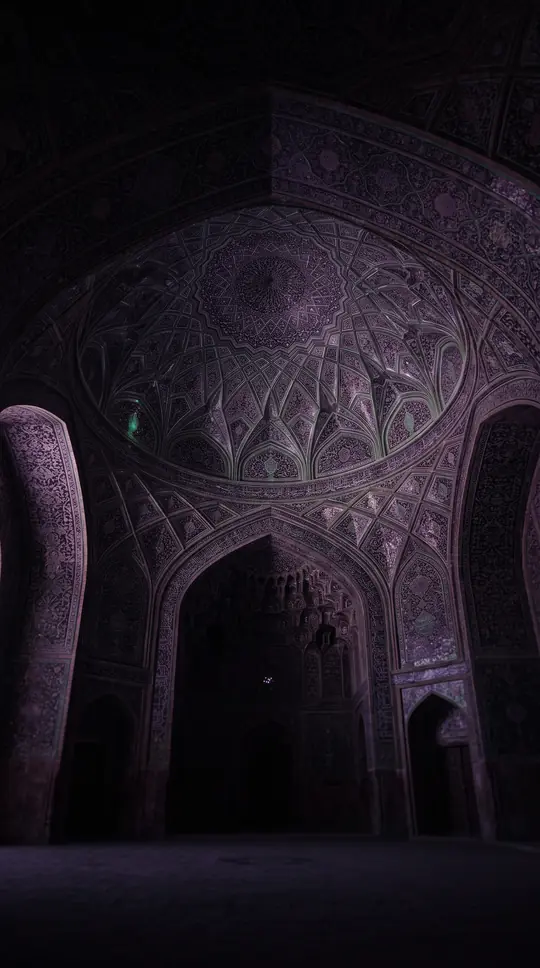
In short: Commissioned by Emperor Aurangzeb to commemorate his military campaigns, the Badshahi Mosque in Lahore has endured centuries of transformation. From serving as a stable for Sikh army horses to becoming a site of political protest and spiritual restoration, this architectural masterpiece remains a testament to the shifting tides of history.
Constructed between 1671 and 1673, the Badshahi Mosque was commissioned by the sixth Mughal Emperor, Aurangzeb. Unlike his predecessors, Aurangzeb was less focused on artistic patronage and more on military expansion. The mosque was built to celebrate his campaigns in southern India, specifically against the Maratha ruler Shivaji. Positioned directly across from the Lahore Fort and the newly built Alamgiri Gate, the mosque was designed to project imperial authority. Its construction was overseen by Muzaffar Hussein, the governor of Lahore, and completed in just two years.
The mosque’s architectural identity is a departure from the regional tradition of intricate tile work, favoring instead the red sandstone and white marble inlay seen in Delhi’s Jama Masjid. Its scale is immense, featuring a courtyard of 25,600 square metres capable of holding 100,000 worshippers. The complex is defined by four 60-metre minarets and a main prayer hall that can accommodate 10,000 people. Inside, the craftsmanship, particularly the floral-patterned marble carvings, is considered among the finest examples of Mughal artistry.
The site’s history is marked by dramatic repurposing. Following the Sikh capture of Lahore in 1799, Maharaja Ranjit Singh converted the courtyard into a stable and the study rooms into military quarters. Later, during the British Raj, the mosque served as a military garrison until public pressure led to its restoration as a place of worship in 1856. The structure has since hosted significant historical events, including a 1919 protest gathering addressed by Gandhi and the 1974 Islamic Summit. Today, it houses a gallery of relics associated with Muhammad and his associates, cementing its status as a vital center of cultural and religious heritage.
Beyond its physical structure, the mosque serves as a repository of history, housing relics that have traveled from Damascus to Lahore over centuries. Its ongoing preservation, notably the extensive 1939–1960 restoration led by Sikandar Hayat Khan, ensures that this iconic landmark continues to function as both a place of prayer and a symbol of national identity, bridging the gap between the Mughal past and the modern era.
Opens the Intellect+ feed with this card first. Swipe up for the next one.
Sources
- Summary by Intellect · source: Badshahi Mosque
To cite this card, link to https://intellectplus.co.uk/app/design-badshahi-mosque.
How we source, check and correct cards: Editorial standards.
General information, not professional advice. Spotted an error? Flag the card or see corrections and complaints.
Intellect Plus is a visual educational discovery platform for exploring fascinating facts and ideas. Brain Food, Not Brain Rot. What is Intellect Plus?
Related
More in Architecture · More in Design · Latest · A–Z · All topics
