The secret architecture of a mansion built by a grieving heiress
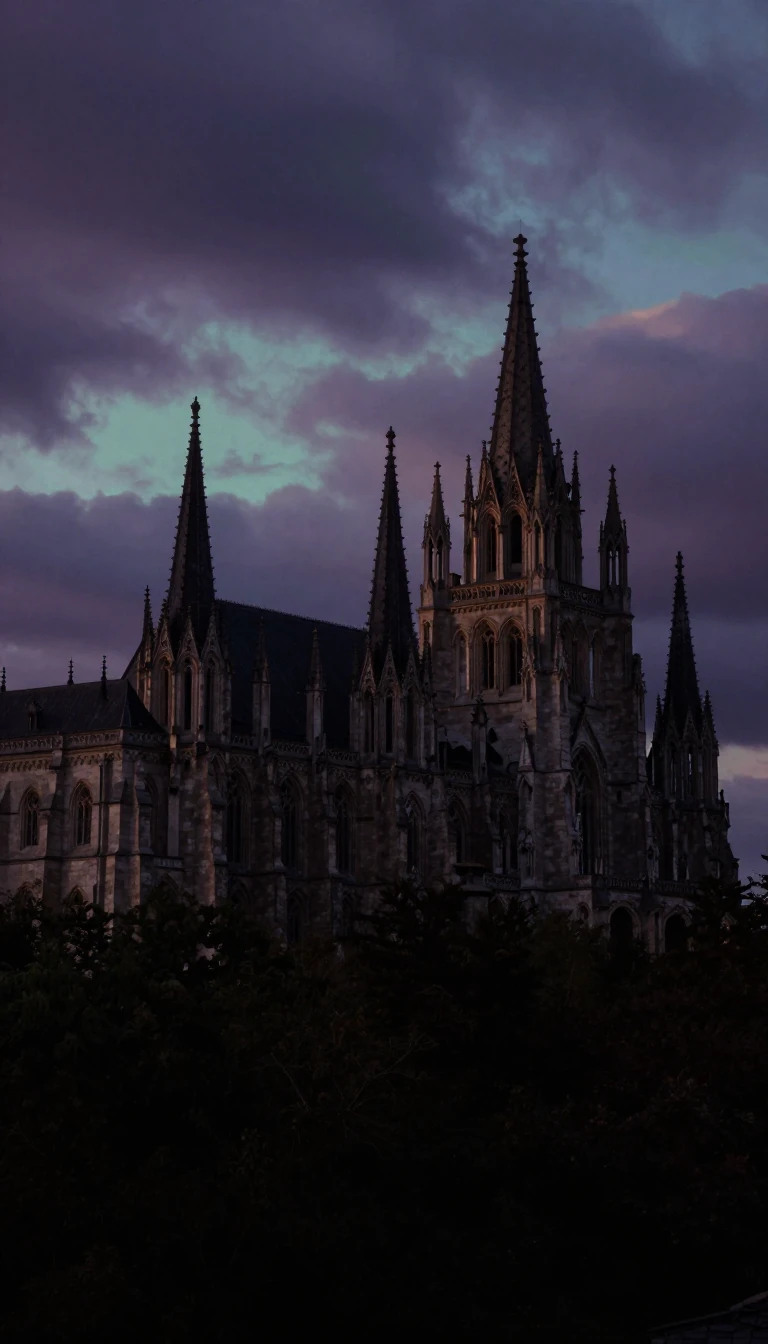
In short: Sarah Winchester didn't just build a house; she engineered a labyrinth. While legends paint her as a tragic mystic, historical records reveal a woman of immense business acumen who used her massive inheritance to create an architectural pioneer of the Victorian era, blending artistic vision with complex financial strategy.
To find a milder environment for her rheumatoid arthritis, Sarah Winchester, wife of firearms tycoon William Wirt Winchester, relocated to California in 1885. After inheriting a fortune following the deaths of her mother, father-in-law, and husband between 1880 and 1881, she purchased a 45-acre ranch near San Jose. Rejecting various architects, she personally managed the layout, drafting rooms based on global exhibitions while consulting woodworkers. This hands-on approach created a maze-like structure where she frequently rebuilt sections; for instance, a seven-story tower was reportedly torn down and rebuilt 16 times in 1897.
The house is a masterclass in Victorian, Gothic, and Romanesque styles, featuring 160 rooms, 2,000 doors, and 10,000 windows by the time of her death in 1922. It contains intricate details like carved teak and mahogany floors, German chandeliers, and an indoor garden with slanted floors designed to drain water into trapdoors. One peculiar architectural choice was a stairway with 44 steps that rose only ten feet, specifically designed for Winchester’s height of four feet ten inches. While popular myths suggest she worked on the house around the clock for 38 years, records show she took regular breaks for months at a time to rest, as she tired easily.
The 'mystery' of the house was largely a marketing invention. After her death, the property was purchased by John and Mayme Brown, who turned it into a tourist attraction. They leaned into superstitious claims that neighbors and friends actually found distressing. By the 1970s, the general manager even used billboards with ghostly implications to drive attendance. Despite the 'nutcase' persona sold to tourists, historical evidence suggests Winchester was a savvy businesswoman who was far more successful at constructing a diverse investment portfolio than she was at finishing her mansion. Her true legacy is that of an architectural pioneer who navigated a complex inheritance to create a unique, albeit unfinished, artistic vision.
The house also serves as a study in historical provenance. While many believed the beveled glass windows were made by Tiffany & Co., research identified the Pacific American Decorative Company as the likely source. This was confirmed by a 1894 envelope found during restoration. Today, the house is managed by a private LLC that preserves the property while navigating the tension between historical accuracy and the scripted myths that made it famous.
Opens the Intellect+ feed with this card first. Swipe up for the next one.
Sources
- Summary by Intellect · source: Winchester Mystery House
- Also: Wikidata — Winchester Mystery House · CC0
- Also: Wikidata — Winchester Mystery House · CC0
To cite this card, link to https://intellectplus.co.uk/app/places-winchester-mystery-house.
How we source, check and correct cards: Editorial standards.
General information, not professional advice. Spotted an error? Flag the card or see corrections and complaints.
Intellect Plus is a visual educational discovery platform for exploring fascinating facts and ideas. Brain Food, Not Brain Rot. What is Intellect Plus?
Related
More in Cities · More in Countries & Cities · Latest · A–Z · All topics
