Why Japan’s Yambaru National Park is a global treasure of biodiversity and history
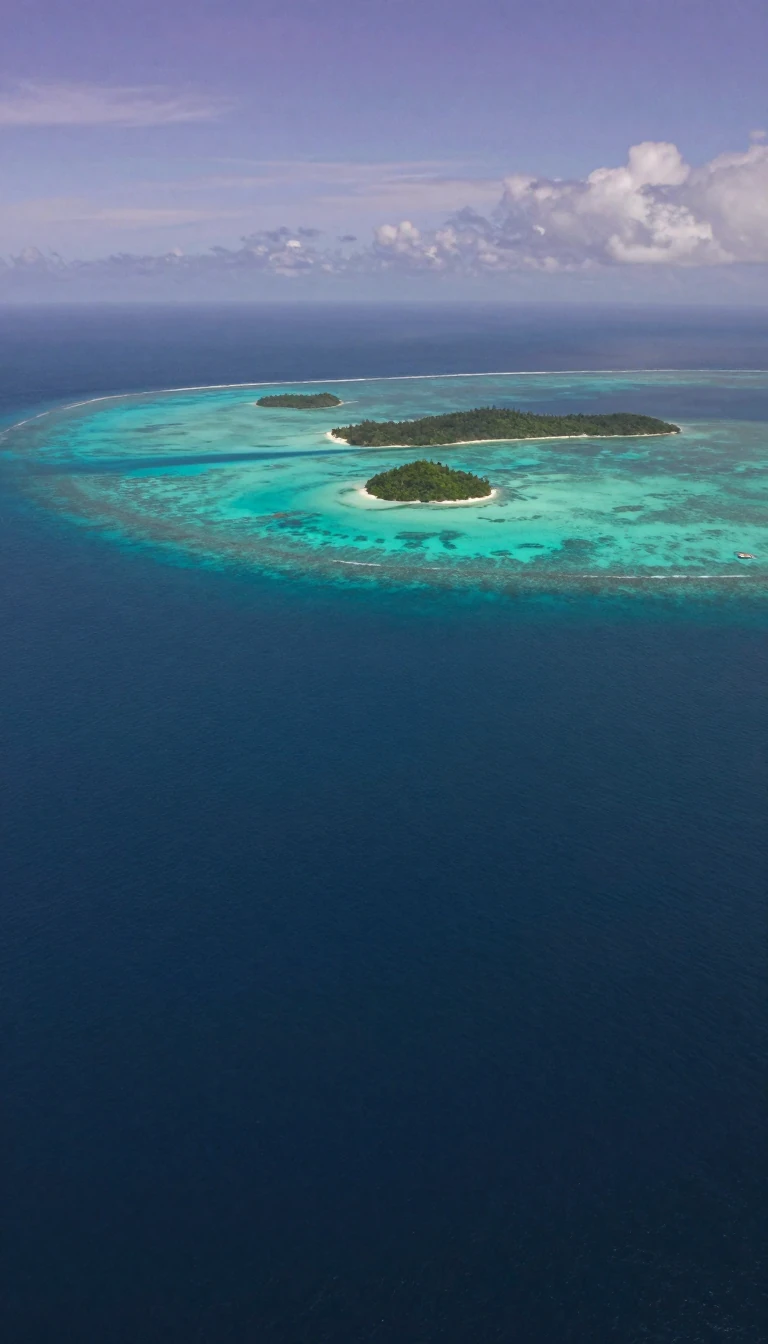
In short: Established in 2016, Yambaru National Park protects the lush, northern forests of Okinawa Island. This unique ecosystem, home to rare species like the Yambaru long-armed scarab beetle, was recognized as a UNESCO World Heritage site in 2021. Its story is one of ecological preservation intertwined with complex geopolitical realities.
Located at the northern tip of Okinawa Island, Yambaru National Park spans 13,622 hectares of land and 3,670 hectares of surrounding marine territory. The park encompasses the villages of Kunigami, Ōgimi, and Higashi, preserving a dense, subtropical forest landscape that serves as a critical habitat for endemic wildlife. Its official establishment on September 15, 2016, was intentionally timed to honor the 1983 discovery of the endangered Yambaru long-armed scarab beetle, a rare insect that has become a symbol of the region's biological significance.
The park's path to international recognition was part of a larger, serial nomination process. In 2016, the northern region of Okinawa was submitted to UNESCO alongside Amami-Ōshima Island, Tokunoshima Island, and Iriomote Island. This collective effort highlighted the unique evolutionary history of these Japanese islands, leading to their successful inscription on the World Heritage List in 2021. This designation underscores the global importance of the region's natural heritage, which remains a focus for ongoing conservation efforts and scientific study.
Despite its protected status, the park's future remains dynamic. A significant portion of the Yambaru region is currently occupied by the United States military as the Northern Training Area. The potential for future expansion of the national park is directly contingent upon the eventual reversion of these lands to local control. This intersection of military land use and environmental preservation creates a unique context for the park, as the boundaries of this protected area are subject to shifting geopolitical agreements that could eventually allow for a larger, more unified conservation zone in the future.
The park stands as a testament to the delicate balance between human activity and the preservation of rare, endemic species. By securing World Heritage status, the region ensures that its ecological integrity is monitored and valued on a global stage. Whether through the protection of the rare scarab beetle or the management of its vast forest canopy, Yambaru National Park continues to be a vital site for understanding the natural history of Japan's southern islands.
Opens the Intellect+ feed with this card first. Swipe up for the next one.
Sources
- Summary by Intellect · source: Yambaru National Park
- Also: Wikidata — Yanbaru National Park · CC0
To cite this card, link to https://intellectplus.co.uk/app/places-yambaru-national-park.
How we source, check and correct cards: Editorial standards.
General information, not professional advice. Spotted an error? Flag the card or see corrections and complaints.
Intellect Plus is a visual educational discovery platform for exploring fascinating facts and ideas. Brain Food, Not Brain Rot. What is Intellect Plus?
Related
More in Ecology · More in Nature · Latest · A–Z · All topics
