Why Japan's Shirakami-Sanchi is a living time capsule of the ancient world
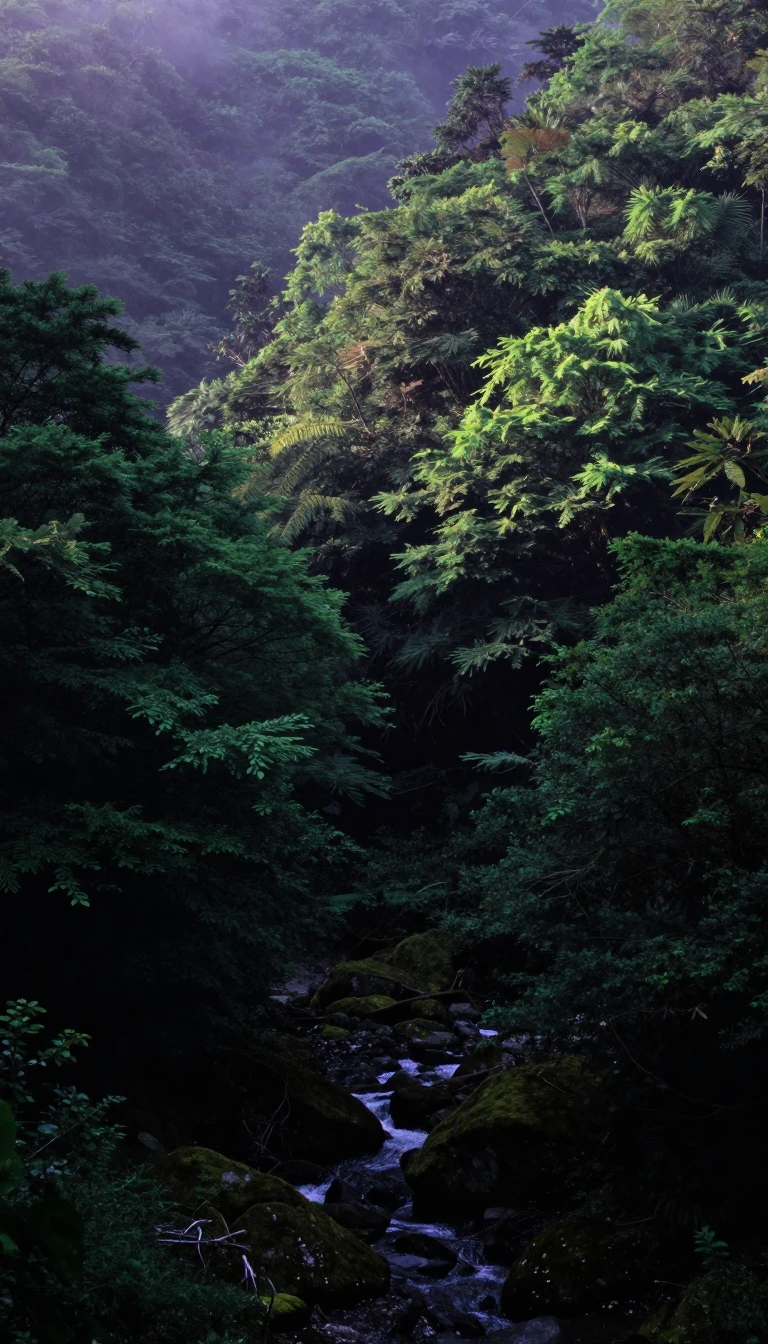
In short: Spanning the mountains of northern Honshu, Shirakami-Sanchi preserves the largest virgin beech forest in East Asia. Unlike forests globally that succumbed to glaciation, this rugged wilderness remained untouched by farmers or loggers. It stands today as a rare, pristine remnant of the cool-temperate ecosystems that once dominated the region.
The Shirakami-Sanchi wilderness covers 130,000 hectares, though a specific 16,971-hectare tract earned UNESCO World Heritage status in 1993. This protected area is divided into a 10,139-hectare core zone and a 6,832-hectare buffer zone. The forest is dominated by Fagus crenata, or Japanese beech, which has thrived in these mountainous slopes for 8,000 to 10,000 years. While similar primeval forests across the globe were decimated by continental glaciation approximately 2 million years ago, the unique geography of northern Japan spared these stands, allowing them to retain their original ecological composition.
The site's survival is largely due to its extreme environment. Located near the Sea of Japan, the area experiences heavy winter snowfall and features deep, steep intersecting valleys. This rugged terrain, combined with a lack of roads or man-made facilities, has historically discouraged human development and logging. While surrounding forests in the Tōhoku region were replaced by timber plantations like Japanese cedar, the beech forests within Shirakami-Sanchi remain continuously distributed and unmodified. The ecosystem is so stable that it supports over 700 species of seed plants and diverse fauna, including the Japanese black bear, Japanese macaque, and the Japanese serow.
Human interaction with the area is strictly managed. Access to the core zone requires official permission from Forest Management, though some peaks like Shirakami-dake remain open to climbers. Local communities, including the Ainu-descended Matagi people, have played a vital role in the area's preservation through generations of traditional knowledge and advocacy. Today, the site serves as a critical subject for research, notably through the Shirakami Research Center for Ecosystem Dynamics at Hirosaki University, which continues to study how this unique, snow-heavy environment maintains such a complete and pristine climax forest.
Opens the Intellect+ feed with this card first. Swipe up for the next one.
Sources
- Summary by Intellect · source: Shirakami-Sanchi
- Also: Wikidata — Shirakami-Sanchi · CC0
To cite this card, link to https://intellectplus.co.uk/app/places-shirakami-sanchi.
How we source, check and correct cards: Editorial standards.
General information, not professional advice. Spotted an error? Flag the card or see corrections and complaints.
Intellect Plus is a visual educational discovery platform for exploring fascinating facts and ideas. Brain Food, Not Brain Rot. What is Intellect Plus?
Related
More in World Heritage Sites · More in Countries & Cities · Latest · A–Z · All topics
