Why the pKa scale is the secret language of acidity and chemical balance
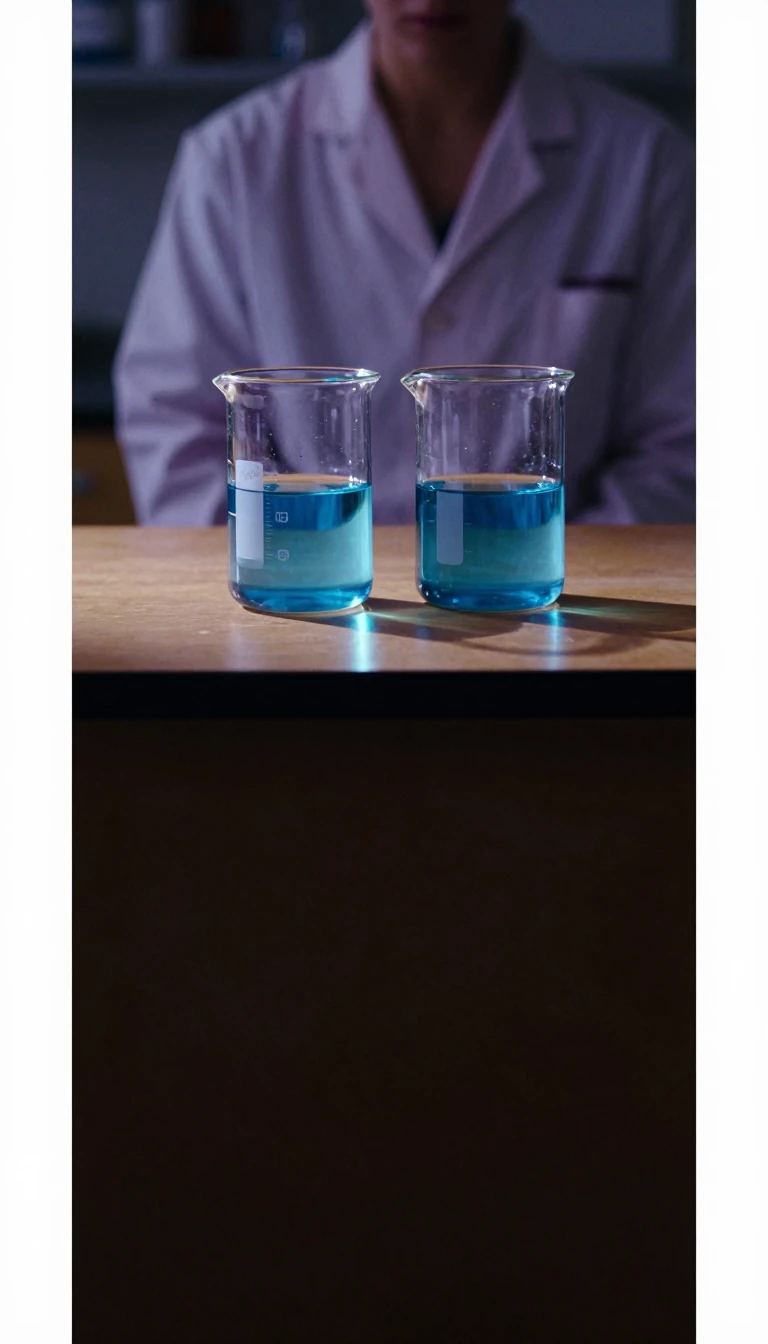
In short: The acid dissociation constant, or Ka, is more than a chemistry textbook curiosity. It is the quantitative measure of an acid's strength in solution. By converting these values into the logarithmic pKa scale, scientists can predict everything from how drugs enter the bloodstream to how cells maintain their internal balance.
At its core, the acid dissociation constant describes a state of equilibrium. When an acid (HA) dissolves in water, it splits into a conjugate base (A−) and a hydrogen ion (H+). Equilibrium is reached when the forward and backward reactions occur at the same rate, meaning the concentrations of these components remain stable over time. The Ka value is essentially a ratio of these product concentrations to the concentration of the remaining acid.
Because these constants often span many orders of magnitude, chemists use the pKa scale, which is the negative base-10 logarithm of Ka. This transformation turns unwieldy numbers into a convenient range; for instance, acetic acid has a Ka of 1.8 x 10⁻⁵, which translates to a pKa of 4.7. Crucially, a lower pKa value indicates a stronger acid, as it signifies a higher degree of dissociation. This scale is not fixed, however; it shifts with temperature and the specific ionic environment of the solution.
Understanding pKa is vital across diverse fields. In medicine, it helps researchers estimate how well a drug will cross into the bloodstream. In environmental science, it is essential for chemical oceanography and understanding the acidity of natural waters. Within biology, pKa values dictate the kinetics of enzymes and the maintenance of acid–base homeostasis. Because experimental measurements can be difficult—especially for very strong or very weak acids—scientists often rely on specialized techniques like potentiometric titration or NMR to pin down these values, ensuring they have the data needed to model complex chemical interactions.
Opens the Intellect+ feed with this card first. Swipe up for the next one.
Sources
- Summary by Intellect · source: Acid dissociation constant
To cite this card, link to https://intellectplus.co.uk/app/science-acid-dissociation-constant.
How we source, check and correct cards: Editorial standards.
General information, not professional advice. Spotted an error? Flag the card or see corrections and complaints.
Intellect Plus is a visual educational discovery platform for exploring fascinating facts and ideas. Brain Food, Not Brain Rot. What is Intellect Plus?
Related
More in Acids and bases · More in Science · Latest · A–Z · All topics
