The American shad is a sonic anomaly that can hear sounds beyond human perception
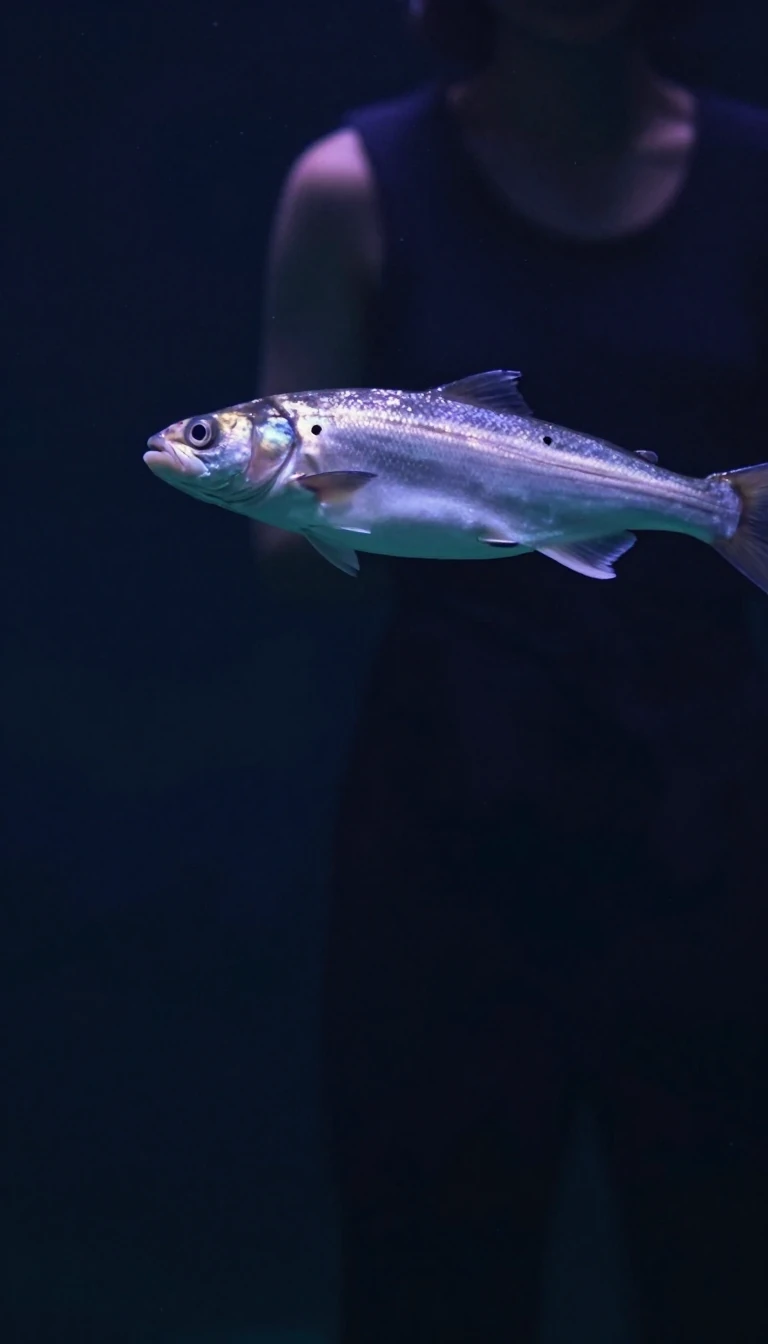
In short: Beyond its reputation as a historic food source, the American shad possesses a remarkable biological secret: it can detect ultrasound frequencies above 50 kHz. This sensory capability is highly unusual among fish, most of which are limited to hearing sounds well below 1 kHz, offering a unique window into aquatic evolution.
The American shad, or Alosa sapidissima, is an anadromous species that migrates from the Atlantic Ocean into freshwater rivers to spawn. While northern populations are iteroparous—meaning they can survive spawning and return to the sea to breed again—southern populations are typically semelparous, dying shortly after their reproductive journey. This migration is highly temperature-dependent, with runs occurring as water temperatures reach 10 to 13 °C. Because of this, the annual migration follows a predictable northward progression, starting in Georgia in January and reaching northern streams by May or June.
These fish are prolific breeders, with a single female capable of producing between 200,000 and 600,000 eggs annually. Once hatched, the fry spend their first months in freshwater before migrating to the ocean. Despite their importance, populations have faced significant pressure since the turn of the 20th century. Heavy dam construction across their historic range has blocked access to vital spawning grounds, leading to dramatic declines in some rivers, such as the Merrimack, where harvests plummeted from nearly 900,000 in 1789 to zero by 1888.
Interestingly, the shad's story has taken a different turn on the West Coast. Introduced to the Sacramento River system in the 1800s, the species has thrived, with recent annual counts at major dams like Bonneville and The Dalles frequently exceeding two to five million individuals. Unlike many non-native species, they have not been shown to harm local ecosystems. Today, the shad remains a cultural icon, celebrated in regional festivals from Virginia to Connecticut, and valued for its high omega-3 content and low levels of environmental toxins like PCBs and mercury.
Opens the Intellect+ feed with this card first. Swipe up for the next one.
Sources
- Summary by Intellect · source: American shad
To cite this card, link to https://intellectplus.co.uk/app/science-american-shad.
How we source, check and correct cards: Editorial standards.
General information, not professional advice. Spotted an error? Flag the card or see corrections and complaints.
Intellect Plus is a visual educational discovery platform for exploring fascinating facts and ideas. Brain Food, Not Brain Rot. What is Intellect Plus?
Related
More in Mathematicians · More in Science · Latest · A–Z · All topics
