Why the humble laboratory beaker is a tool for estimation, not precision measurement
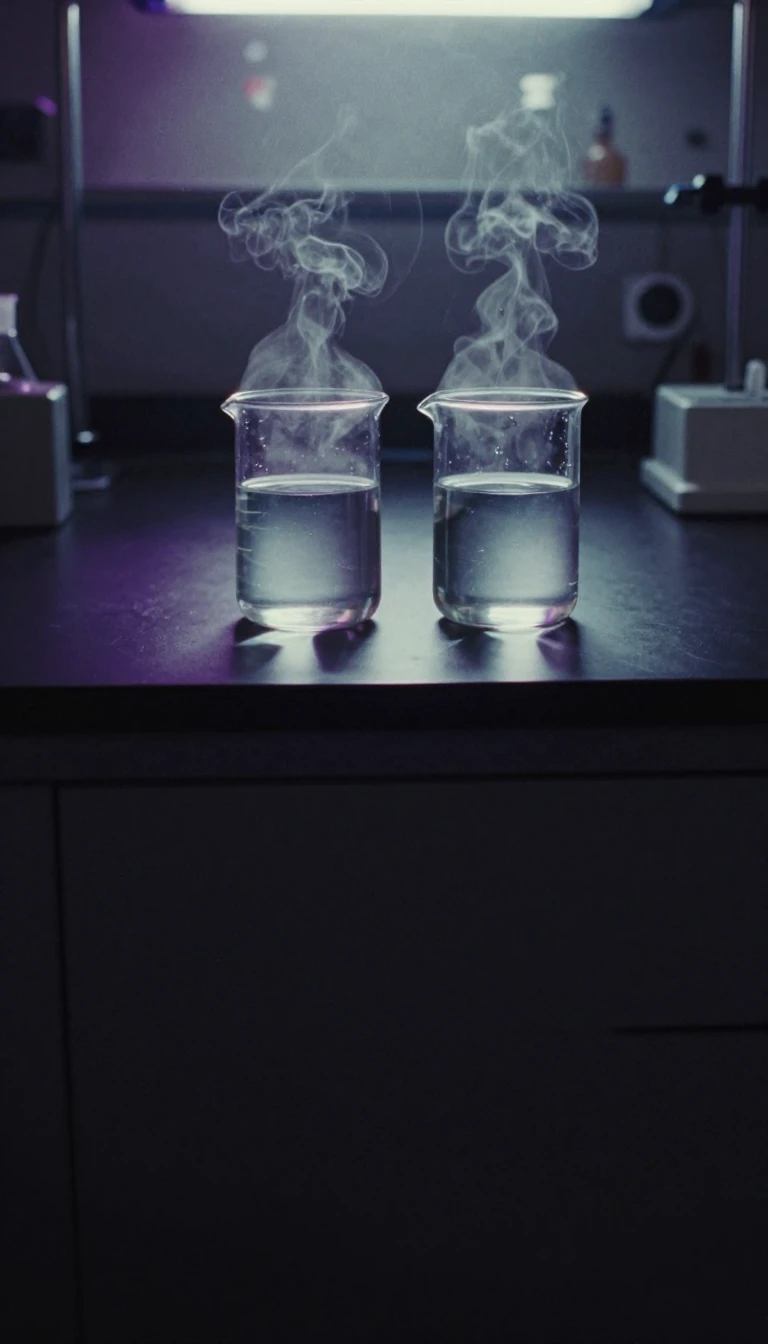
In short: The beaker is a staple of every laboratory, yet it is frequently misunderstood. While these cylindrical vessels are essential for mixing, heating, and holding fluids, they are not designed for accurate volume measurement. Understanding the specific design variations of beakers reveals how they support different types of chemical work.
At its core, a beaker is a simple cylindrical container with a flat bottom and a spout for pouring. Unlike flasks, which feature sloping sides, standard beakers possess straight walls. While they are often graduated with volume markings, these lines are only intended for rough estimates. In fact, most beakers are only accurate to within approximately 10 percent. For tasks requiring precise measurements, scientists turn to specialized instruments like volumetric flasks or graduated cylinders instead.
The design of a beaker often dictates its specific utility in the lab. The most common variety, the Griffin beaker, is a 'low-form' vessel with a height roughly 1.4 times its diameter, named after John Joseph Griffin. These are versatile tools used for everything from preparing solutions to performing simple reactions. In contrast, 'tall-form' or Berzelius beakers have a height about twice their diameter and are primarily utilized for titration. Flat beakers, often termed crystallizers, are typically reserved for crystallization processes or as vessels for hot-bath heating.
Material choice is equally critical for laboratory safety and function. While borosilicate glass is the standard, beakers are also manufactured from metals like stainless steel or aluminum, and various plastics such as polypropylene and PTFE. Polypropylene versions are particularly useful for gamma spectral analysis. Because the signature spout prevents the use of a standard lid, researchers often cover beakers with a watch glass to prevent contamination while still allowing for necessary venting. This simple, elegant design has remained a cornerstone of chemical experimentation for generations, proving that even the most basic tools require a nuanced understanding to be used effectively.
Opens the Intellect+ feed with this card first. Swipe up for the next one.
Sources
- Summary by Intellect · source: Beaker (laboratory equipment)
To cite this card, link to https://intellectplus.co.uk/app/science-beaker-laboratory-equipment.
How we source, check and correct cards: Editorial standards.
General information, not professional advice. Spotted an error? Flag the card or see corrections and complaints.
Intellect Plus is a visual educational discovery platform for exploring fascinating facts and ideas. Brain Food, Not Brain Rot. What is Intellect Plus?
Related
More in Research methods · More in Science · Latest · A–Z · All topics
