Beyond the beaker: How specialized laboratory flasks shape the progress of modern science
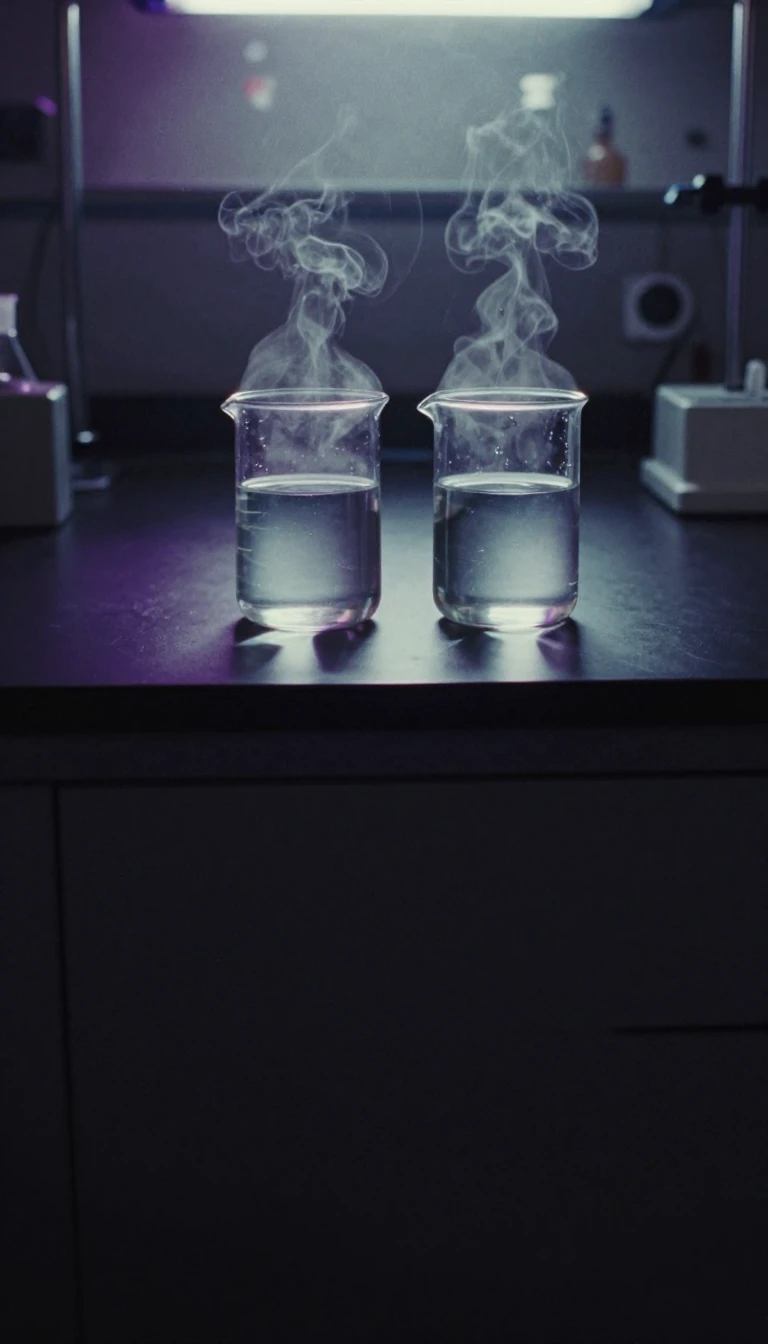
In short: Laboratory flasks are far more than simple glass containers. From spherical reaction vessels designed to withstand intense pressure to double-walled Dewar flasks that maintain extreme temperatures, these tools are engineered for specific chemical processes. Understanding their diverse forms reveals the hidden mechanics behind everything from distillation to cellular growth.
At their most fundamental level, laboratory flasks are defined by a wide body and one or more narrow necks. While traditionally crafted from glass, modern versions may also be made of plastic. Their utility spans a vast range of scientific tasks, including mixing, heating, cooling, precipitation, and precise volumetric measurement. The design of a flask is almost always dictated by the specific physical demands of the process it is intended to support.
Consider the contrast between reaction flasks and reagent flasks. Reaction flasks are typically spherical with thick glass walls, allowing them to tolerate significant pressure differences—essential for reactions conducted under vacuum or high pressure. In contrast, flat-bottomed reagent flasks are designed for stability on a laboratory bench but are made of thinner glass, making them unsuitable for high-stress environments. Specialized variants like the Schlenk flask incorporate vacuum stopcocks and hose outlets, enabling chemists to perform reactions in controlled nitrogen atmospheres, while Büchner flasks feature thick walls and a sidearm to facilitate vacuum filtration.
History and regulation also play a role in the evolution of these tools. The iconic conical Erlenmeyer flask, introduced in 1861 by German chemist Emil Erlenmeyer, remains a staple due to its affordability and portability. However, their ubiquity has led to unintended consequences; because they can be used in the illicit production of drugs, some jurisdictions, such as Texas, have implemented strict audit and reporting requirements for educational institutions to track inventory discrepancies. From the precision of a volumetric flask’s fill line to the aeration-enhancing baffles in culture flasks, these vessels are silent partners in scientific discovery, each shape serving a distinct, vital purpose in the laboratory.
Opens the Intellect+ feed with this card first. Swipe up for the next one.
Sources
- Summary by Intellect · source: Laboratory flask
To cite this card, link to https://intellectplus.co.uk/app/science-laboratory-flask.
How we source, check and correct cards: Editorial standards.
General information, not professional advice. Spotted an error? Flag the card or see corrections and complaints.
Intellect Plus is a visual educational discovery platform for exploring fascinating facts and ideas. Brain Food, Not Brain Rot. What is Intellect Plus?
Related
More in Research methods · More in Science · Latest · A–Z · All topics
