The humble fume hood is a massive energy drain on modern scientific research
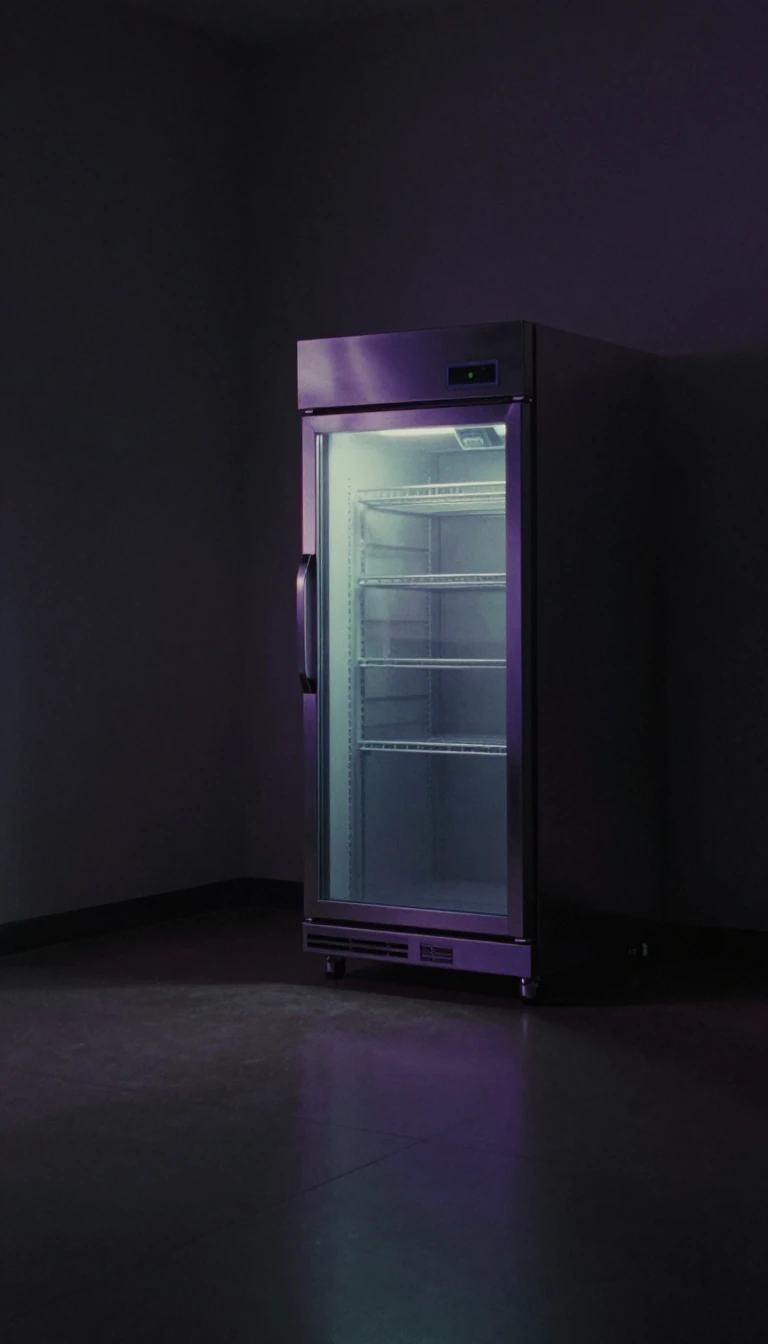
In short: A standard laboratory fume hood consumes 3.5 times the energy of an average home. These essential safety enclosures protect scientists from toxic fumes, but their constant ventilation requirements create a significant environmental and financial burden. Understanding how these devices function is key to balancing critical safety with modern efficiency.
The fume hood is a specialized local exhaust ventilation device designed to trap and remove hazardous gases, vapors, and particulates. At its core, the device is a six-sided enclosure featuring a movable sash window. By drawing air from the laboratory into the hood, it prevents contaminants from entering the worker's breathing zone. While early versions in the early 1900s were simple wood-and-glass structures, modern units are engineered with sophisticated materials like epoxy powder-coated steel and flame-retardant laminates to withstand harsh chemical environments.
The primary challenge with traditional ducted fume hoods is their reliance on conditioned air. Because they constantly vent room air outside, they force HVAC systems to work overtime, leading to immense energy costs. This has driven the development of various technologies, such as Variable Air Volume (VAV) systems, which adjust exhaust volume based on sash position. Despite these advancements, a 2010 survey of 247 lab professionals by Lab Manager Magazine found that Constant Air Volume (CAV) hoods—which maintain a steady exhaust rate regardless of use—still accounted for approximately 43% of installations, compared to only 12% for VAV systems.
Safety remains the paramount concern, governed by strict standards. Conventional CAV hoods can become dangerous if the sash is closed too far, as internal air velocity may spike, potentially forcing contaminants back into the room or disrupting delicate experiments. To mitigate this, bypass designs were introduced to maintain consistent airflow. Modern high-performance hoods further refine this by using sensors and improved aerodynamics to meet safety standards while minimizing energy consumption. Ultimately, the effectiveness of these systems often hinges on human behavior; campaigns like 'Shut the Sash' emphasize that simply closing the window when a hood is idle is one of the most effective ways to reduce a laboratory's carbon footprint.
Opens the Intellect+ feed with this card first. Swipe up for the next one.
Sources
- Summary by Intellect · source: Fume hood
To cite this card, link to https://intellectplus.co.uk/app/science-fume-hood.
How we source, check and correct cards: Editorial standards.
General information, not professional advice. Spotted an error? Flag the card or see corrections and complaints.
Intellect Plus is a visual educational discovery platform for exploring fascinating facts and ideas. Brain Food, Not Brain Rot. What is Intellect Plus?
Related
More in Research methods · More in Science · Latest · A–Z · All topics
