How your body builds specialized cells from a single, versatile genetic blueprint
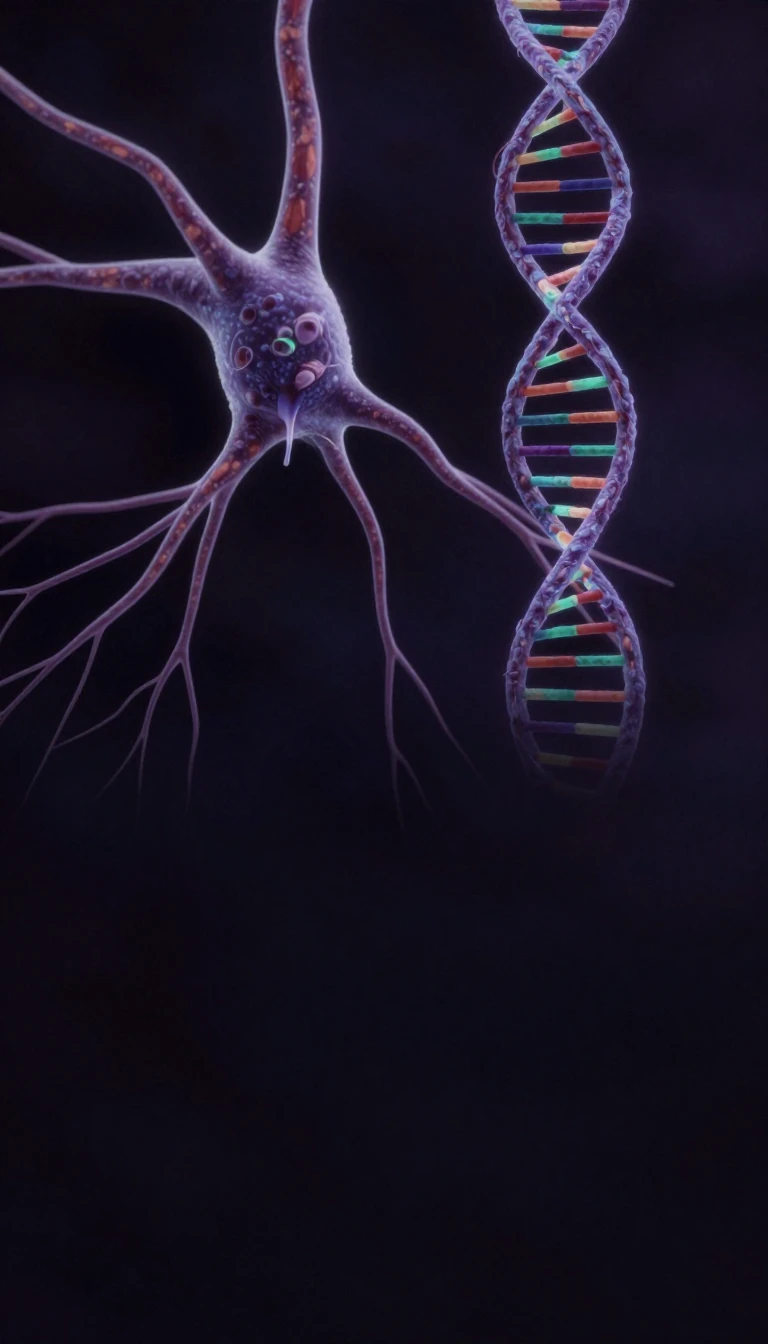
In short: Your body is a masterpiece of biological engineering, constantly transforming generic stem cells into highly specific units like neurons or gut lining. This process, known as differentiation, relies on precise genetic instructions to ensure your tissues function, repair themselves, and maintain their structural integrity throughout your entire adult life.
At the heart of cellular differentiation is the transformation of immature cells into specialized types with unique structures and roles. While every cell in your body typically carries the same DNA, they express different genes to achieve their specific functions. This is governed by transcription factors—proteins that act as molecular switches, turning specific genes on or off to guide a cell toward its final identity. For instance, intestinal stem cells can become either nutrient-absorbing cells or mucus-secreting goblet cells, depending on which transcriptional programs are activated.
Stem cells are the essential reservoirs that make this possible. Through asymmetric division, a stem cell produces two daughter cells: one remains a stem cell to ensure a future supply, while the other begins the path toward specialization. As these cells mature, they often lose their proliferative capacity. In some tissues, this culminates in terminal differentiation, where a cell permanently exits the cycle of division to focus entirely on its specialized task, such as muscle cells expressing actin and myosin for contraction.
Beyond gene expression, tissue function requires precise physical organization. Cells use adhesive junctions—such as tight junctions and desmosomes—to anchor themselves to neighbors and the extracellular matrix. These connections, linked to the internal cytoskeleton, provide the mechanical strength necessary for tissues like the gut epithelium to act as a selective barrier. Balancing these complex processes is vital; if cell division and programmed death, or apoptosis, fall out of sync, tissue maintenance fails. This delicate equilibrium ensures that your body remains a stable, functioning system despite the constant turnover of its constituent parts.
Opens the Intellect+ feed with this card first. Swipe up for the next one.
Sources
- Summary by Intellect · source: Cell Differentiation, Tissue | Learn Science at Scitable
- Also: Cell differentiation | Description, Stages, Gene Expression, & Examples | Britannica
- Also: Cellular differentiation
To cite this card, link to https://intellectplus.co.uk/app/science-cellular-differentiation.
How we source, check and correct cards: Editorial standards.
General information, not professional advice. Spotted an error? Flag the card or see corrections and complaints.
Intellect Plus is a visual educational discovery platform for exploring fascinating facts and ideas. Brain Food, Not Brain Rot. What is Intellect Plus?
Related
More in Cell biology · More in Science · Latest · A–Z · All topics
