Chromatin is the dynamic gatekeeper that controls how your DNA is read and repaired.
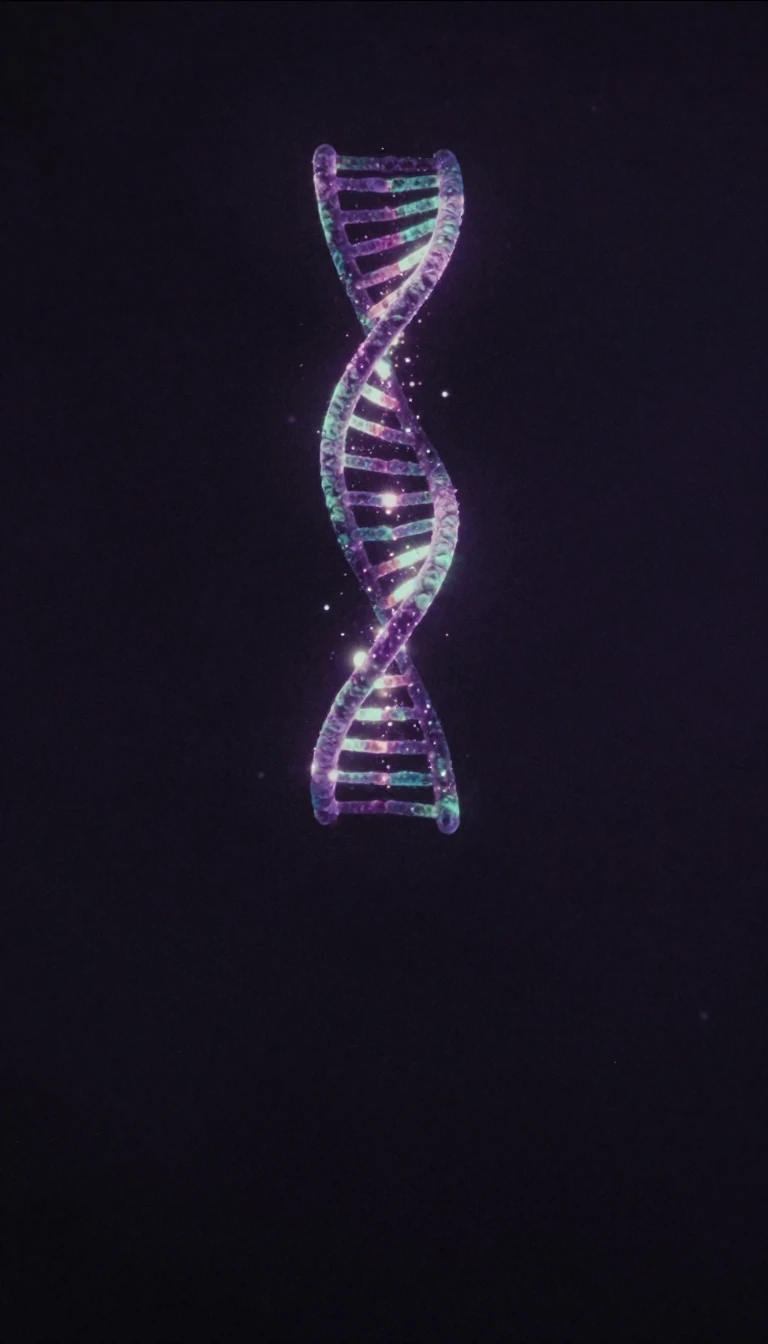
In short: Far from being a static storage box for your genetic code, chromatin is a sophisticated, liquid-like machine. It constantly shifts its structure to pack meters of DNA into a microscopic nucleus, deciding which genes are active and how the cell responds to damage in real time.
At its core, chromatin is a complex of DNA and proteins that organizes the genome. The fundamental unit is the nucleosome, where approximately 147 base pairs of DNA wrap around a histone octamer. These nucleosomes are linked by stretches of DNA, creating a structure often visualized as beads on a string. While early models suggested these fibers folded into regular 30-nm structures, modern high-resolution imaging indicates that chromatin is more irregular and dynamic, behaving like a liquid-like domain that facilitates gene expression.
The architecture of chromatin is highly responsive to cellular needs. During interphase, it remains relatively loose to allow enzymes access for transcription and repair. In contrast, during mitosis, it compacts into highly condensed chromosomes to ensure safe segregation. This state is regulated by chemical modifications to histone tails—such as acetylation and methylation—which act as an epigenetic code. These modifications alter the electrostatic environment of the chromatin, either opening it up for active transcription or tightening it into inactive heterochromatin.
Beyond local structure, chromatin is organized into large-scale loops and compartments. Protein complexes like cohesin extrude DNA loops, while transcription factors like CTCF act as boundaries to define these domains. This spatial organization is not random; it partitions the genome into active and inactive regions. When DNA damage occurs, chromatin undergoes rapid remodeling, with proteins like PARP1 and Alc1 triggering relaxation in seconds to allow repair enzymes access. This constant flux ensures that the cell can maintain genomic integrity while precisely controlling gene activity.
The importance of this system is underscored by its role in cell memory and development. Through mechanisms like bookmarking, cells can transmit the memory of active genes to daughter cells even when transcription ceases during division. From the liquid-like behavior of chromatin that increases DNA targetability to the specialized packaging in spermatozoa, chromatin is the essential, active interface between your genetic blueprint and the biological reality of the cell.
Opens the Intellect+ feed with this card first. Swipe up for the next one.
Sources
- Summary by Intellect · source: Chromatin
To cite this card, link to https://intellectplus.co.uk/app/science-chromatin.
How we source, check and correct cards: Editorial standards.
General information, not professional advice. Spotted an error? Flag the card or see corrections and complaints.
Intellect Plus is a visual educational discovery platform for exploring fascinating facts and ideas. Brain Food, Not Brain Rot. What is Intellect Plus?
Related
More in Cell biology · More in Science · Latest · A–Z · All topics
