How a medieval well for literate clerks became the heart of London's urban evolution.
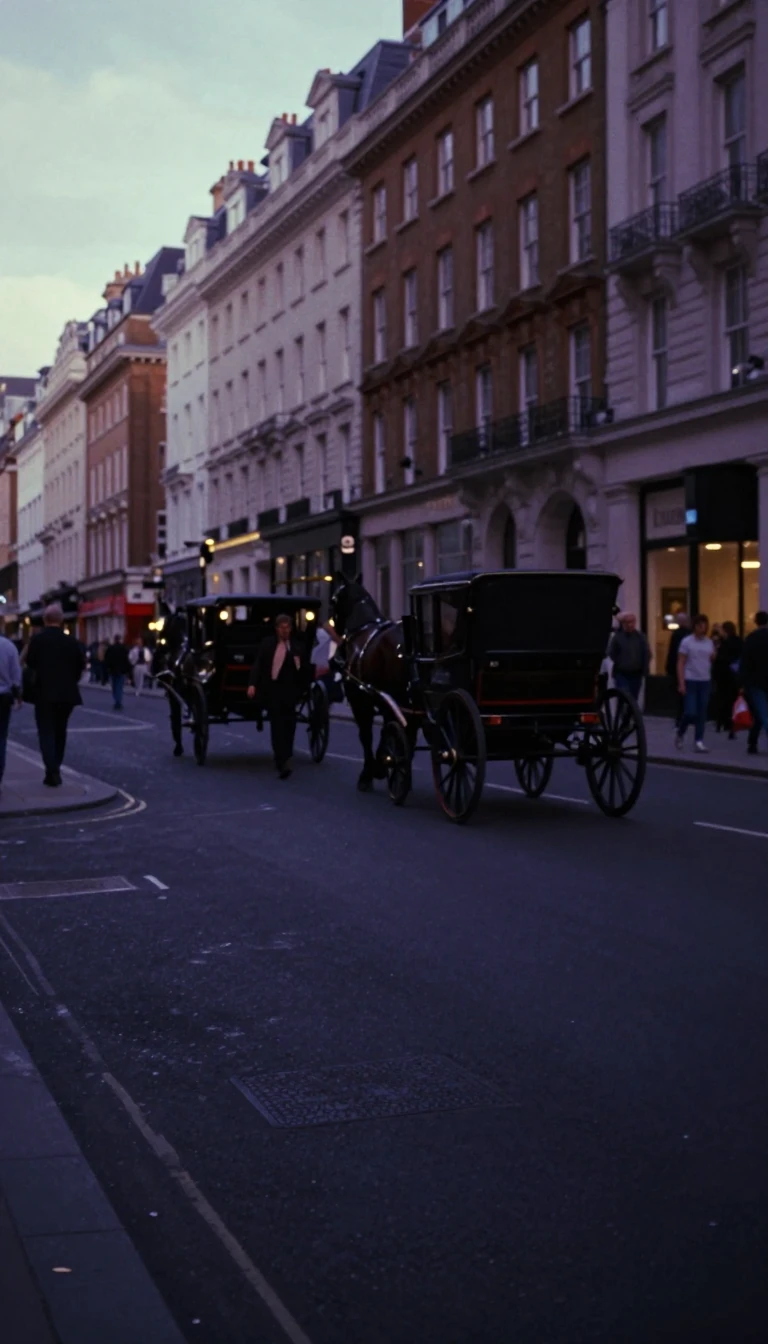
In short: Clerkenwell takes its name from a humble water source where parish clerks once performed biblical mystery plays. Over centuries, this London district transformed from a quiet monastic enclave into a bustling hub of medicinal spas, industrial innovation, and eventually, a sophisticated center for architecture, design, and modern urban living.
The identity of Clerkenwell is rooted in its 12th-century origins as a religious center, defined by the Priory of St. John of Jerusalem and the Nunnery of St. Mary. These institutions shaped the early landscape long before the area became synonymous with London's expansion. By the 16th and 17th centuries, as the city pushed beyond its northern walls, the district evolved into a residential retreat. The discovery of medicinal springs, most notably the one that inspired the famous Sadler’s Wells Theatre, turned the neighborhood into a destination for health and leisure, though these rural pleasure gardens were eventually eclipsed by the relentless pace of industrial progress.
The 19th century brought radical physical changes, driven by infrastructure projects like the Regent’s Canal and the North London Railway. These developments facilitated rapid urban growth, shifting the area's character from pastoral to industrial. Throughout this period, Clerkenwell maintained a unique cultural gravity, attracting notable figures such as John Milton, Samuel Johnson, and William Blake. The district’s architectural legacy is preserved in sites like the 14th-century Charterhouse, which transitioned from a Carthusian monastery to a hospital and school, and the Armoury House, constructed in the 1730s.
In the modern era, Clerkenwell has undergone a process of gentrification, with many historic squares and terraces reclaimed for single-family ownership. Despite this shift, the area retains a distinct social and ethnic vitality. Today, it serves as a bridge between London’s storied past and its contemporary service-based economy. While traditional craft shops still operate within its borders, the district is now anchored by institutions like City University, which gained university status in 1966. This blend of ancient monastic foundations, industrial remnants, and modern academic life ensures that Clerkenwell remains a vital, evolving component of the London borough of Islington.
Opens the Intellect+ feed with this card first. Swipe up for the next one.
Sources
- Summary by Intellect · source: Clerkenwell | Historic, Architecture, Pubs | Britannica
- Also: Clerkenwell
To cite this card, link to https://intellectplus.co.uk/app/science-clerkenwell.
How we source, check and correct cards: Editorial standards.
General information, not professional advice. Spotted an error? Flag the card or see corrections and complaints.
Intellect Plus is a visual educational discovery platform for exploring fascinating facts and ideas. Brain Food, Not Brain Rot. What is Intellect Plus?
Related
More in Mathematicians · More in Science · Latest · A–Z · All topics
