The Emerald Tablet: A cryptic alchemical text that shaped centuries of scientific thought
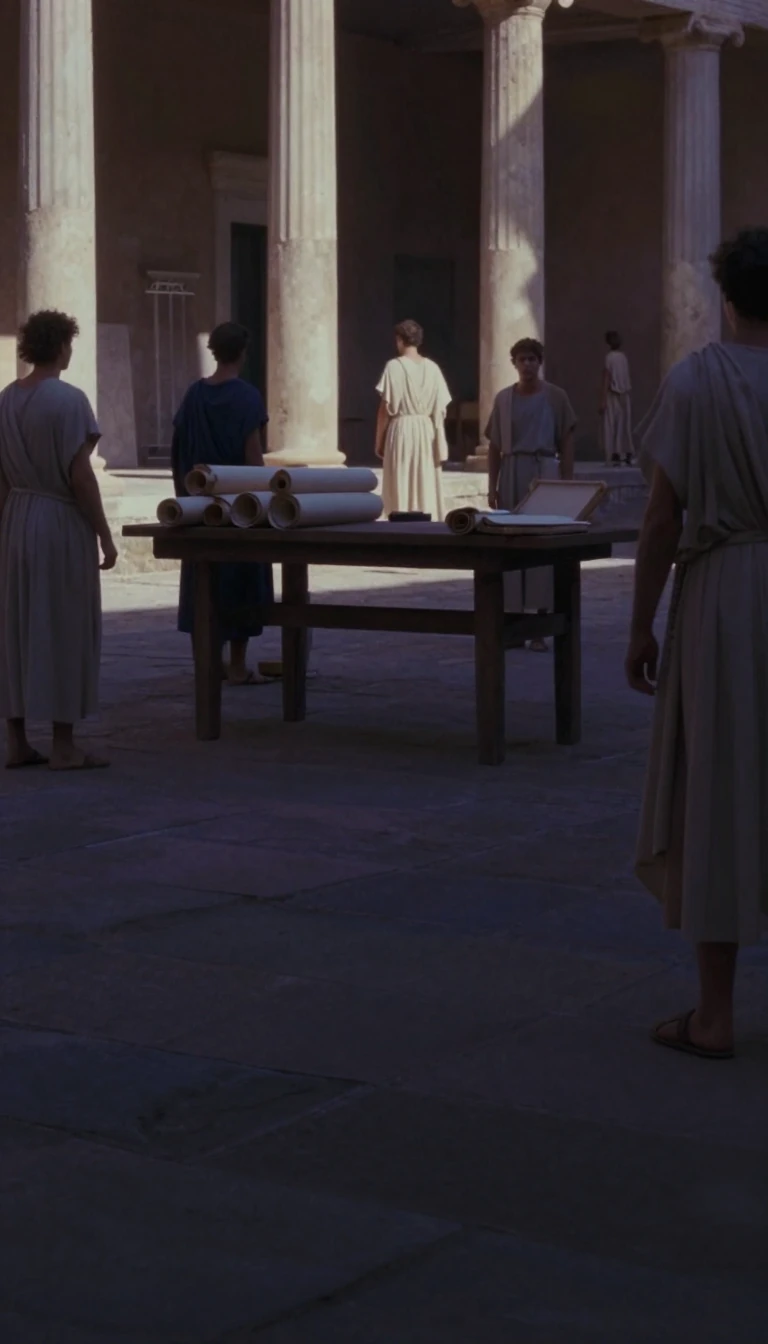
In short: Attributed to the legendary Hermes Trismegistus, the Emerald Tablet is a foundational, enigmatic work that once promised the secret to creating gold. Rediscovered in Arabic treatises before reaching Europe, it evolved from a practical laboratory guide into a metaphysical symbol, eventually sparking intense debate among scholars about its true origins.
The Emerald Tablet, or Tabula Smaragdina, first appeared in Arabic texts like the Secret of Creation between the 8th and 10th centuries. These early versions, often featuring a frame story about the tablet's discovery in a tomb, introduced the theory that all metals consist of sulphur and mercury. By the 12th century, Latin translations brought these ideas to Europe, where commentators like Hortulanus interpreted the text as a manual for the philosopher's stone. During the Renaissance, the Tablet's influence expanded as thinkers like John Dee and Heinrich Cornelius Agrippa shifted its focus from laboratory alchemy to metaphysical philosophy, linking its verses to the Genesis creation narrative.
The text's history is marked by significant linguistic mystery. A key term, 'telesmus', was an accidental Latin neologism resulting from a translator's failure to understand the Arabic word for 'talisman'. This ambiguity fueled centuries of commentary, as scholars struggled to reconcile the text's cryptic nature with its supposed ancient authority. By the 17th century, the rise of Enlightenment-era criticism, led by figures like Athanasius Kircher, began to challenge the Tablet's attribution to Hermes Trismegistus. Kircher argued that the lack of references in ancient Greek philosophy and the text's 'barbaric' Latin pointed to a later forgery, a critique that signaled the beginning of alchemy's decline.
Despite these challenges, the Tablet remained a potent symbol. In the 16th century, printers paired it with a famous emblem—a mercurial cup surrounded by planetary symbols—which eventually became synonymous with the text itself. Even as modern chemistry, championed by figures like Lavoisier, rendered alchemical practices obsolete by the late 18th century, the Tablet persisted in esotericism. Today, it is recognized as a central piece of the Hermetica, with its famous maxim 'as above, so below' continuing to resonate in psychology, art, and popular culture as a testament to the enduring search for hidden natural wisdom.
Opens the Intellect+ feed with this card first. Swipe up for the next one.
Sources
- Summary by Intellect · source: Emerald Tablet
To cite this card, link to https://intellectplus.co.uk/app/science-emerald-tablet.
How we source, check and correct cards: Editorial standards.
General information, not professional advice. Spotted an error? Flag the card or see corrections and complaints.
Intellect Plus is a visual educational discovery platform for exploring fascinating facts and ideas. Brain Food, Not Brain Rot. What is Intellect Plus?
Related
More in UK & Ireland: science · More in Science · Latest · A–Z · All topics
